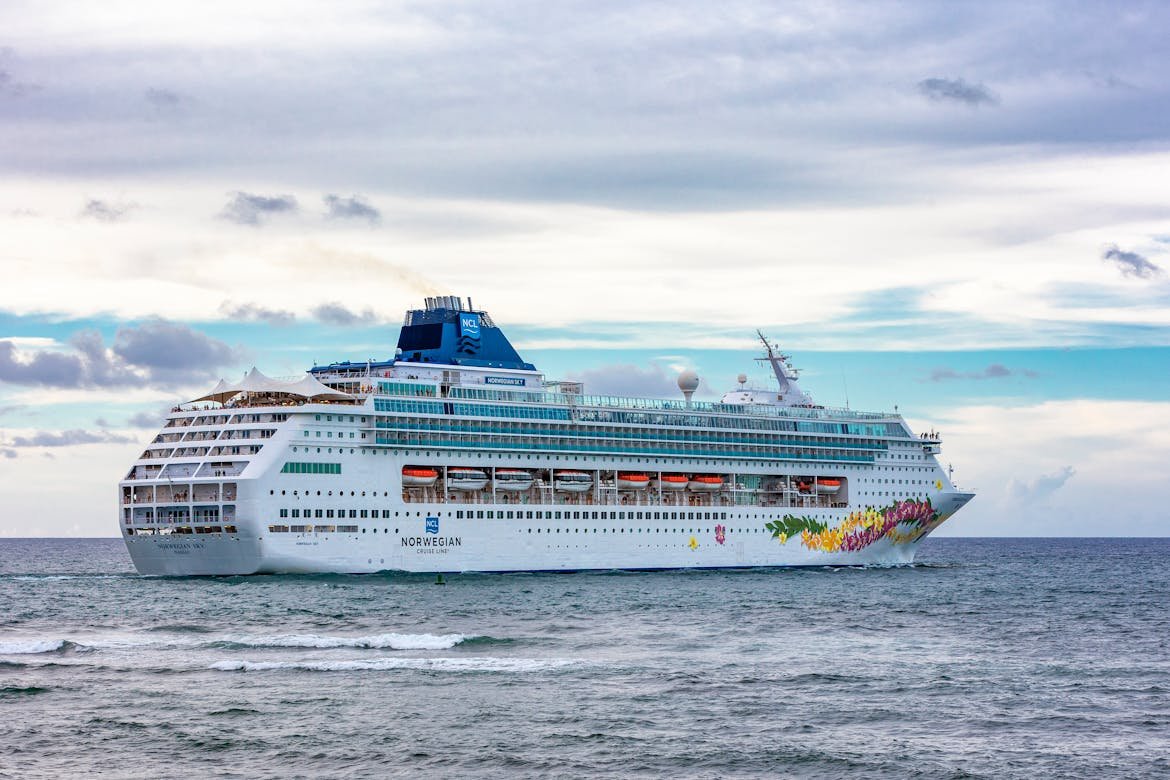
The American Society of Travel Advisors (ASTA) has rallied the travel industry around a renewed call for commission transparency, following a landmark decision by Norwegian Cruise Line to permanently eliminate non-commissionable fares.
In a joint statement signed by dozens of major agency groups, networks, and travel companies, ASTA positioned the move as more than a single supplier change, framing it instead as an opportunity to reset how advisors are compensated across the travel ecosystem.
Non-commissionable fares, commonly known as NCFs, have long been a point of contention for travel advisors, particularly in the cruise sector. These fees reduced the portion of a booking on which advisors could earn commission, despite advisors often providing end-to-end service, consultation, and post-booking support.
ASTA’s statement argues that the practice undermined transparency and failed to reflect the true scope of advisor contributions to both travelers and suppliers.
A Turning Point for Advisor Compensation
With Norwegian Cruise Line’s policy change taking effect for sailings departing May 1, 2026 and beyond, the entire cruise fare, excluding taxes and fees, will now be commissionable. That places the brand alongside a small but growing group of cruise companies, including Explora Journeys, Viking, and Virgin Voyages, that have already eliminated NCFs from their fare structures.
ASTA President and CEO Zane Kerby described the move as meaningful leadership, saying that non-commissionable fares have been one of the most persistent and opaque challenges facing advisors.
By removing them entirely, the industry takes a step toward compensation models that are clearer, more equitable, and easier for advisors to explain to clients. According to ASTA, transparency in pricing and commissions is not only a business issue but a trust issue that affects the advisor-client relationship.
The joint statement emphasizes that when advisors are fully compensated, they can reinvest in service, technology, and professional development, ultimately improving the traveler experience. Fair compensation, the organization argues, benefits the entire distribution chain, not just individual agencies.
Industry Unity Sends a Broader Message
What sets this initiative apart is the breadth of support behind it. The statement was signed by ASTA’s Executive Committee and Consortium Council, along with senior leaders from many of the world’s most influential travel networks and agencies, including Virtuoso, Signature Travel Network, Travel Leaders Network, Cruise Planners, Avoya Travel, and Expedia Cruises.
ASTA leadership highlighted that this level of unity is rare in an industry often fragmented by competing commercial interests. By speaking with one voice, advisors and their partners are signaling that transparency and fair compensation are no longer niche concerns but foundational requirements for a healthy travel marketplace.
The organization is also urging travel advisors to actively support suppliers that demonstrate respect for the advisor role through transparent and equitable policies. By prioritizing partnerships with such companies, ASTA argues, advisors can reinforce positive behavior and help raise standards across the industry.
While the immediate focus is on cruising, the implications extend beyond a single sector. ASTA’s call invites airlines, tour operators, and other travel suppliers to reevaluate how their fare structures align with modern expectations of fairness, clarity, and collaboration. As distribution models evolve, the message from advisors is clear: sustainable growth depends on transparency, mutual respect, and compensation that reflects real value delivered.