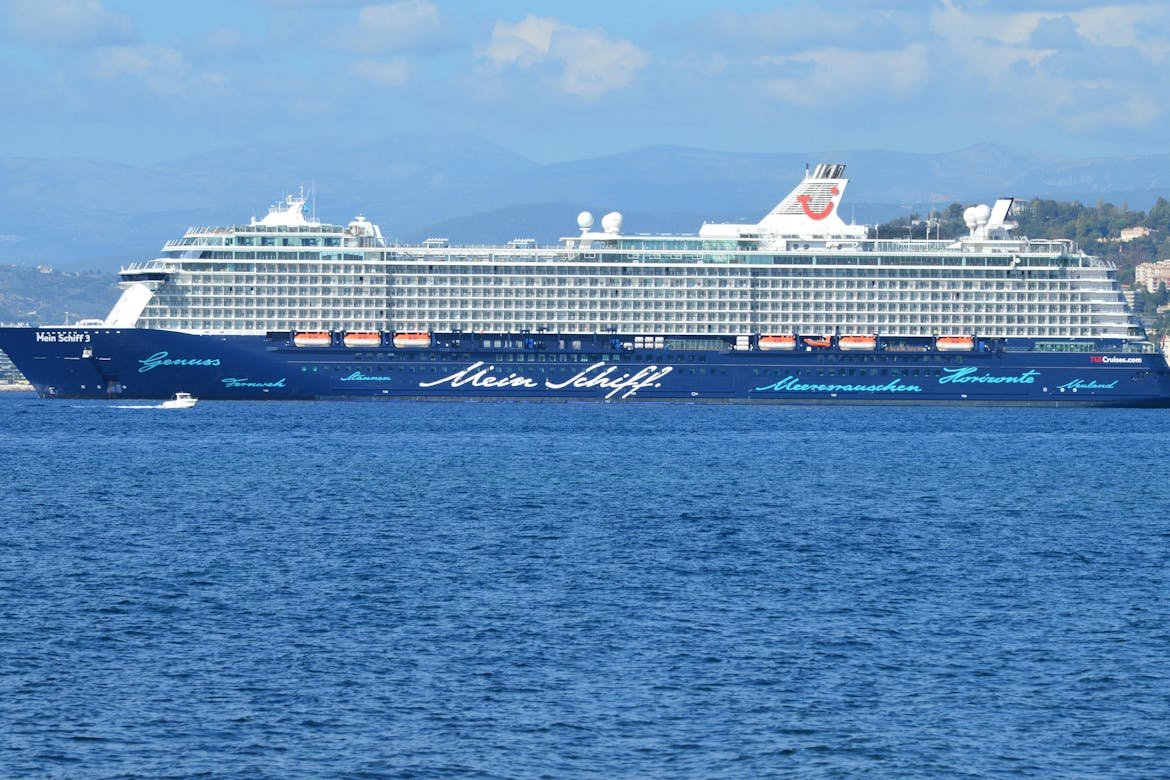
Amsterdam is once again at the center of Europe’s overtourism debate, as city officials explore the possibility of ending ocean cruise visits altogether by 2035.
The discussion marks a shift from earlier plans to relocate the city’s central cruise terminal, with policymakers now questioning whether continued accommodation of large cruise ships aligns with Amsterdam’s long-term goals for sustainability, livability, and urban balance.
City leaders revealed in late January that relocating the Passenger Terminal Amsterdam would cost an estimated €85 million, a price tag they now consider unjustifiable.
A recent feasibility study identified significant financial uncertainties and environmental concerns tied to developing a new terminal location, prompting officials to reconsider whether investing in cruise infrastructure makes sense at all. Instead, the city plans to examine a phased exit from ocean cruise tourism over the next decade.
Why Amsterdam Is Rethinking Ocean Cruises
Deputy Mayor Hester van Buren emphasized that the city’s priorities have evolved. Officials argue that large cruise ships contribute to congestion, emissions, and pressure on already strained public spaces, while delivering limited long-term benefits to residents.
Although cruises generate visitor spending, the city estimates that eliminating the ocean cruise sector would reduce tax revenue by roughly €46 million over 30 years – a figure leaders appear increasingly willing to absorb in exchange for environmental and quality-of-life gains.
Amsterdam has already taken steps to rein in cruise traffic. A cap of 100 ocean cruise calls per year takes effect in 2026, along with a one-ship-per-day limit. Shore power connections will become mandatory from 2027, and river cruise traffic is also being reduced, with a 10% cut beginning this year as the city works toward an annual cap of 1,150 river vessels. These measures reflect a broader policy direction that includes restricting hotel development and limiting annual hotel nights.
Industry Reactions and What Comes Next
Cruise lines are watching the debate closely. Industry groups stress that sailings to Amsterdam are continuing as planned and that dialogue with the city remains constructive. Several cruise operators point to recent investments in cleaner technologies, including shore power connections, as evidence that collaboration – rather than exclusion – could address many of the city’s concerns.
Some cruise brands have already adjusted by using alternative ports such as IJmuiden or Rotterdam, both within easy reach of Amsterdam by road or rail. If a full ban is implemented, these nearby ports are expected to absorb additional cruise traffic, allowing passengers to visit the city without ships docking in its center.
The political future of the proposal remains uncertain. Municipal elections scheduled for March will determine the composition of the next city executive, which will ultimately decide whether to pursue a full ban, continue with capped operations, or revisit relocation options. City officials have pledged to further assess the economic and employment impacts before any final decision is made.
Amsterdam’s deliberations echo actions taken elsewhere in Europe. Venice barred large cruise ships from its lagoon in 2021, while Barcelona relocated cruise docking away from its historic core. As cities grapple with the trade-offs between tourism revenue and urban sustainability, Amsterdam’s decision could become another defining case in how destinations reshape their relationship with cruise tourism.