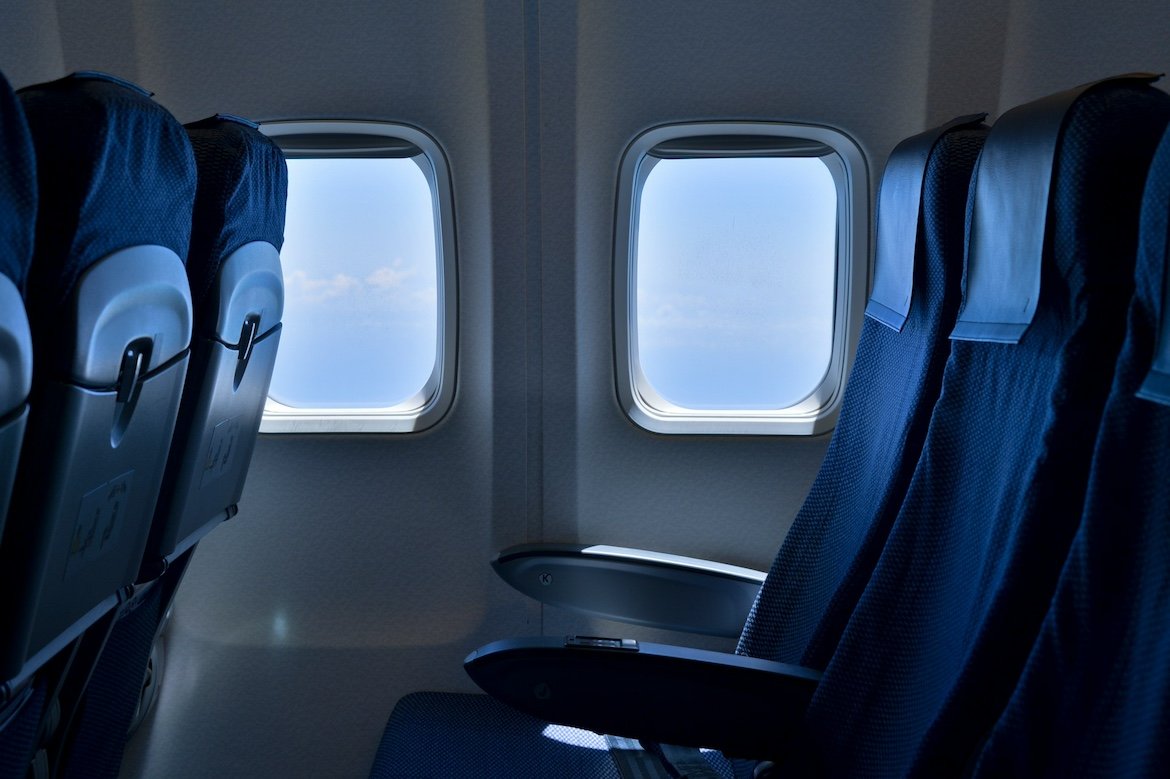
Several major U.S. airlines are facing class action lawsuits after passengers discovered that the “window seats” they paid extra for did not include an actual window.
Lawsuits filed against United Airlines and Delta Air Lines claim the carriers charged seat-selection fees for seats labeled as “window,” even though some of those seats are positioned next to a cabin wall section with no window at all.
According to the complaints, many aircraft – including Boeing 737s, Boeing 757s, and Airbus A321s – contain rows where windows cannot be installed due to the location of internal components, such as ducts or electrical conduits.
These seats are commonly referred to as “windowless window seats.” While some airlines, like Alaska Airlines and American Airlines, clearly indicate these seats during the booking process, United and Delta typically do not highlight this distinction on their digital seat maps.
Passengers argue that this lack of disclosure misleads travelers into paying premiums for something they never receive. One plaintiff reported paying up to $169.99 for a United window seat that turned out to be flush against the aircraft wall.
Attorneys representing the passengers said customers reasonably expect that a window seat includes a window, adding that windows provide comfort for travelers who experience anxiety, claustrophobia, or motion sickness.
United, however, has firmly denied wrongdoing. In a November court filing, the airline argued that the word “window” in its booking system refers only to the seat’s position next to the aircraft wall and does not guarantee an exterior view.
United also said the airline’s contract of carriage contains no promise that window-position seats include windows, and therefore the lawsuit has no basis. After the original complaint was filed, an amended complaint noted that United quietly began marking some windowless seats on its seat maps, including seat 11A on a Boeing 737-9.
Delta has not yet submitted a formal response in its own case. The airline declined to comment publicly on pending litigation. Plaintiffs say that, despite airlines having the technical capability to label seats with limited recline or no under-seat storage, they fail to identify windowless seats – while continuing to collect millions of dollars in seat-selection fees over time.
Both lawsuits seek substantial damages, potentially covering more than a million affected passengers per airline. The cases accuse United and Delta of breach of contract and deceptive practices. Plaintiffs argue they would not have paid extra had they known the seats lacked windows.
The issue has raised broader questions about transparency in an era when airlines increasingly charge for features that were once included. Passengers and consumer advocates argue that clearer seat maps and upfront descriptions are essential, especially as ancillary fees continue to grow.
Whether the courts ultimately decide that a “window seat” must include a window, the lawsuits have already pushed airlines to reconsider how they present seat information to travelers.