Just months after reopening from an eight-year, $2 billion renovation, the Waldorf Astoria New York is reportedly being prepared for sale by its Chinese owners.
By Yuliya Karotkaya
Published:
Updated:
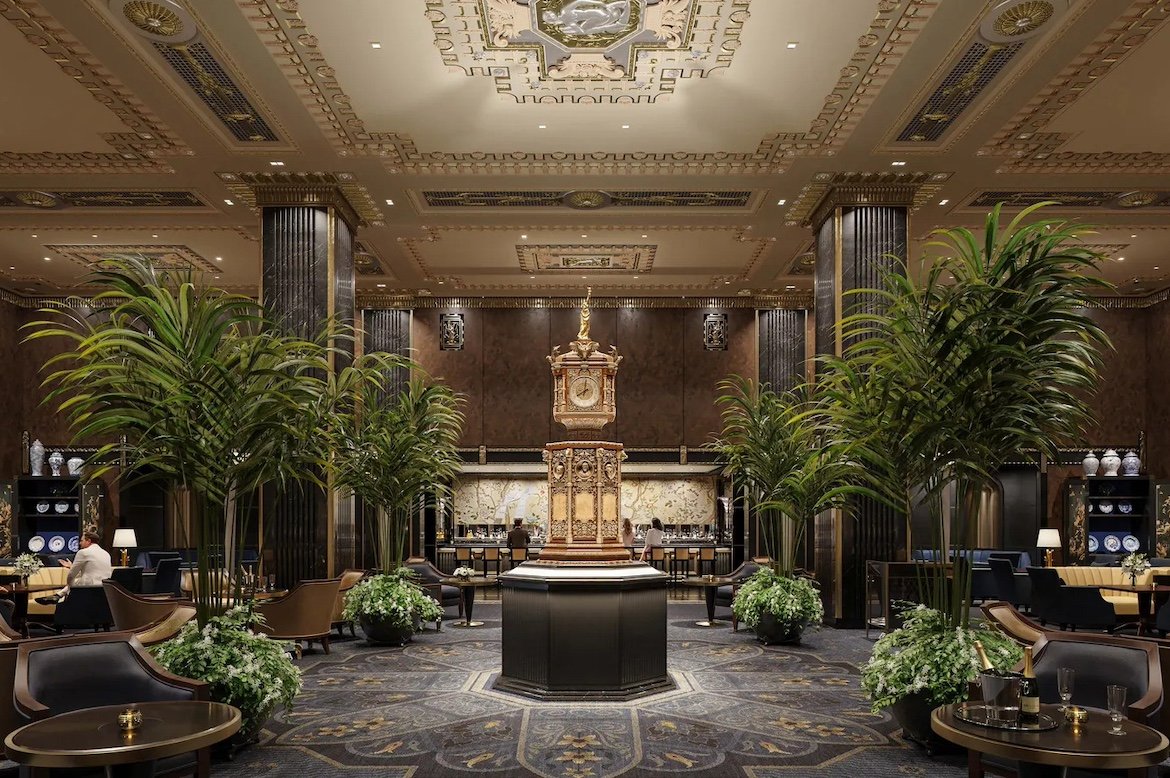
The Waldorf Astoria New York, the largest Art Deco hotel landmark on Park Avenue, is reportedly being prepared for sale months after reopening. Photo: Hilton
The iconic Waldorf Astoria New York is reportedly being prepared for sale just months after reopening from one of the most ambitious hotel renovations in modern history. The Park Avenue landmark, which resumed operations in November following an eight-year, $2 billion overhaul, could return to the market as early as next month, according to multiple industry reports.
Originally opened in 1931, the Waldorf Astoria has long stood as one of Manhattan’s most recognizable luxury properties, occupying an entire block between 49th and 50th Streets. Its most recent transformation dramatically reshaped the hotel’s footprint, reducing the room count from approximately 1,400 keys to 375 guestrooms while introducing 372 private residences.
The redevelopment retained several historic Art Deco interiors while integrating contemporary design and upgraded amenities. However, the project was completed roughly five years behind schedule and exceeded initial budget expectations by more than $1 billion.
The property was purchased in 2014 by China-based Anbang Insurance Group for $1.95 billion, setting a record at the time for the most expensive hotel sale. Following legal troubles involving Anbang’s leadership, China’s state-backed Dajia Insurance Group assumed control of the assets in 2018.
Combined with the renovation costs, total investment in the property is estimated to exceed $4 billion. Despite that figure, reports suggest the owners are unlikely to fully recoup their investment, with the sale price expected to be at least $1 billion.
The marketing process is reportedly being handled by a New York-based real estate investment bank. Given the anticipated price and the scale of the asset, potential buyers are likely to be limited to sovereign wealth funds, state-backed entities or major global investment groups. Industry observers note that the possible sale comes amid a broader trend of Chinese investors reducing exposure to U.S. real estate holdings.
While ownership may change, Hilton will remain closely tied to the property. The hotel operates under a long-term, 100-year management agreement signed when Hilton sold the building in 2014. Hilton has emphasized its continued role as manager of the flagship luxury brand property, even as it expands the Waldorf Astoria portfolio with new developments in resort and urban markets.
The potential sale underscores the enduring appeal of trophy luxury hotels in gateway cities, even amid shifting global investment patterns. For New York’s hospitality sector, the Waldorf’s return to the market represents both a high-profile transaction and a test of investor appetite for large-scale luxury assets in a post-renovation, repositioned format.
Visa has partnered with TBO to launch Journey Collection, a dedicated hotel booking platform offering exclusive rates and benefits to Visa cardholders worldwide.
By Yuliya Karotkaya
Published:
Updated:
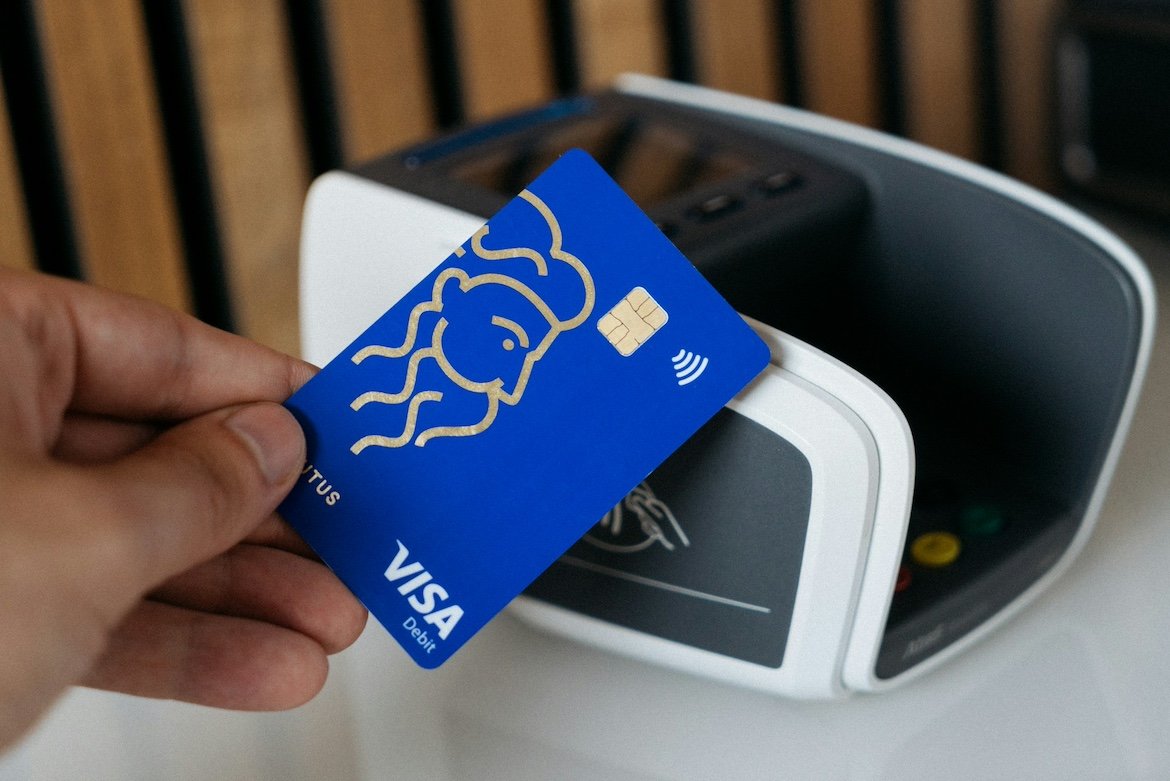
Visa partners with TBO to launch Journey Collection, an exclusive global hotel booking platform for cardholders. Photo: CardMapr.nl / Unsplash
Visa has partnered with global travel distribution platform TBO to introduce a dedicated hotel booking solution designed exclusively for its cardholders. The new platform, branded as Journey Collection, aims to combine secure digital payments with access to a broad international hotel inventory and curated travel benefits.
Developed as a white-label solution and powered by TBO’s technology infrastructure, the platform enables Visa cardholders to book hotel stays across a wide range of global destinations while accessing exclusive offers at participating properties. The initiative is positioned as a preferred hotel booking channel for Visa customers seeking both value and convenience in their travel planning.
The collaboration reflects a broader shift in the travel ecosystem, where payment providers are increasingly moving beyond transaction processing into curated travel services. By integrating hotel inventory directly into a Visa-branded environment, the company is seeking to enhance loyalty and engagement among its global customer base. The platform is designed to deliver competitive rates while emphasizing ease of use and secure payment processing.
For TBO, the partnership highlights its expanding role as a technology-driven intermediary in the travel sector. The company connects more than 159,000 buyers with over one million suppliers across more than 100 countries. Its portfolio spans hotels, flights, rail, cruise, car rentals, transfers and sightseeing experiences, though the new Journey Collection platform is focused specifically on hotel bookings for Visa cardholders.
Executives from both companies have framed the partnership as a step toward creating a more seamless travel experience. Visa has emphasized its commitment to improving every stage of the customer journey, while TBO has underscored the strength of its global supply network in delivering competitive hotel options.
The launch also reflects the growing importance of direct-to-consumer travel platforms built around loyalty ecosystems. As competition intensifies among travel booking channels, exclusive access and value-added benefits are increasingly used to differentiate offerings. For Visa, leveraging its global cardholder base provides an opportunity to drive incremental engagement in travel spending, particularly in business and premium leisure segments.
While the platform’s initial focus is on hotels, TBO’s broader inventory capabilities suggest potential for future expansion into additional travel services. For now, Journey Collection represents a strategic convergence of fintech and travel distribution, signaling how payment networks are evolving into full-service lifestyle platforms.
Armenia is offering temporary visa-free entry to eligible residents of 113 countries, aiming to boost tourism and strengthen regional connectivity through mid-2026.
By Yuliya Karotkaya
Published:
Updated:
Armenia opens temporary visa-free access to eligible residents from 113 countries, aiming to boost tourism and regional travel in 2026. Photo: Ani Adigyozalyan / Unsplash
Armenia has introduced a temporary visa exemption program designed to attract more international visitors and strengthen its position as an accessible regional destination in 2026. The measure, which came into effect on January 1 and will remain valid until July 1, allows eligible foreign nationals to enter the country without obtaining a visa in advance.
To qualify, visitors must present a valid residence permit, either as a physical card or a visa sticker in their passport, with at least six months of validity remaining from the date of entry. Armenian border authorities will recognize permits that include key information in Latin script, such as the traveler’s name, nationality, date of birth and validity period. Eligible travelers can stay in Armenia for up to 180 days within a one-year period, offering flexibility for leisure visits, business trips or extended stays.
The initiative builds on earlier pilot programs and reflects Armenia’s broader strategy to position itself as an open and welcoming destination. By leveraging residence permits issued by trusted jurisdictions, the country reduces administrative barriers while maintaining border controls. The move is particularly significant for multinational workforces based in the Gulf region, where large expatriate communities can now plan spontaneous short breaks or professional visits without additional paperwork.
Tourism officials have framed the exemption as an invitation to discover Armenia’s cultural and natural offerings. From centuries-old monasteries and UNESCO-listed heritage sites to the capital city Yerevan’s contemporary café culture, the country presents a compact yet diverse travel experience. Its mountainous landscapes and growing culinary reputation add to its appeal for both first-time visitors and repeat travelers.
For airlines operating between the Gulf, Europe and the Caucasus, the measure is expected to stimulate additional demand, especially during holiday periods. Travelers are encouraged to verify eligibility and ensure compliance with the 180-day annual limit, as overstays may result in penalties.
While the exemption is currently scheduled to expire on July 1, 2026, its performance over the coming months could influence whether Armenia considers extending or expanding the policy in the future.
Italy has delayed nationwide airport strikes to avoid disrupting Winter Olympics travel, but new dates later this month could still impact flights and rail services.
By Yuliya Karotkaya
Published:
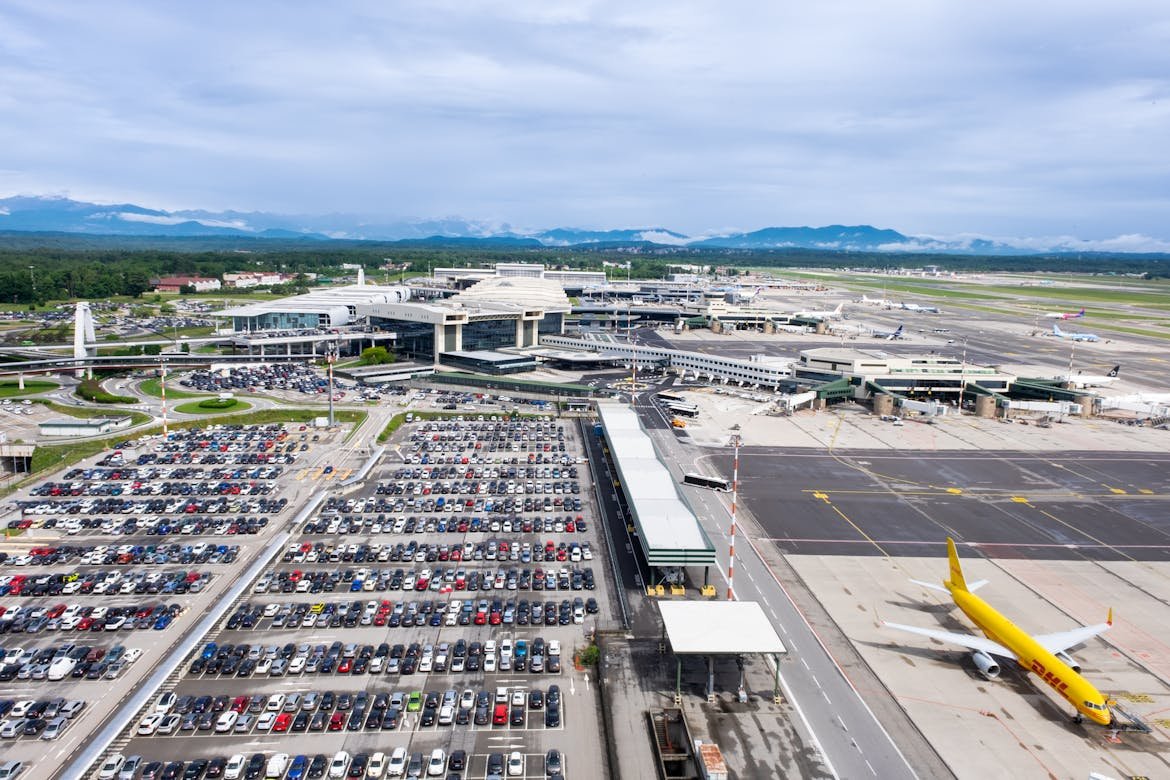
Milan Malpensa Airport, Italy’s largest airport, as nationwide aviation strikes are postponed to avoid disruption during the Winter Olympics travel period. Photo: Sergio Scandroglio / Pexels
Italy has postponed a planned nationwide aviation strike that threatened to disrupt hundreds of flights during the peak travel period of the 2026 Winter Olympics. The 24-hour walkout, originally scheduled for February 16, was blocked by the government in an effort to safeguard mobility during what officials described as an event of “global importance.”
Deputy Prime Minister Matteo Salvini intervened to halt the strike, citing the need to ensure smooth transportation flows as athletes, officials and spectators travel to and from Olympic venues. The industrial action has now been rescheduled for February 26, shifting potential disruption to later in the month.
The original strike involved staff from ITA Airways, as well as pilots, cabin crew and ground personnel across multiple carriers. Major airports including Milan Malpensa, Milan Linate, Rome Fiumicino, Venice Marco Polo and Verona were expected to face significant operational challenges had the protest gone ahead. Tens of thousands of passengers could have been affected, particularly as many flights were scheduled outside legally protected service windows that require operations between 7 a.m. and 10 a.m. and again from 6 p.m. to 9 p.m.
Additional participation had been announced by employees at Vueling and easyJet, alongside ground handling staff at Milan’s key airports. While the immediate threat to Olympic travel has been lifted, travelers flying on or around February 26 are now being advised to monitor airline communications closely, as delays and cancellations remain possible.
Further disruption may also loom in early March. Staff at ENAV, Italy’s national air traffic control provider, are planning industrial action on March 7, a date that could coincide with travel linked to the Paralympic Games. Details of that strike remain subject to change, but aviation authorities are watching developments closely.
Beyond air travel, rail passengers could face difficulties as well. Workers at Ferrovie dello Stato Italiane, the country’s state railway operator, have announced a 24-hour strike scheduled to begin at 9 p.m. on February 27 and end at 8:59 p.m. on February 28. Regional services, high-speed Frecce trains and Intercity routes are likely to be affected, although minimum service guarantees will apply during certain peak hours.
The temporary suspension of the February 16 aviation strike has eased immediate concerns for Olympic visitors, but Italy’s broader labor tensions remain unresolved. With multiple industrial actions now clustered at the end of February and early March, travelers heading to or within Italy during this period may still encounter significant disruption and should plan accordingly.
Moon World Resorts is advancing plans to build a giant lunar-themed destination in up to 10 countries, combining hospitality, real estate and immersive entertainment.
By Yuliya Karotkaya
Published:
Updated:
Renderings of Moon World Resorts show a 300-meter lunar sphere designed to anchor a global tourism megaproject. Photo: Moon World Resorts
A tourism concept designed to recreate the Moon on Earth is edging closer to reality. Moon World Resorts has unveiled plans for a series of large-scale lunar-themed destinations across up to 10 countries, positioning the project as a new category of global tourism infrastructure rather than a standalone attraction.
The proposed development centers on what would become the world’s largest true spherical structure, rising more than 300 meters high. Inside, developers plan to simulate the surface and environment of the Moon, combining immersive entertainment with hospitality, education and residential real estate. Each resort is designed to welcome approximately 10 million visitors annually, with the lunar experience alone expected to attract about 2.5 million guests per year.
According to company executives, interest has accelerated significantly in recent months. The concept is structured as a licensing and design model, with regional partners independently owning each location while Moon World Resorts provides intellectual property and master planning expertise.
Ten countries have been identified as potential hosts: the UAE, China, Thailand, Brazil, Poland, Spain, India, Australia, Egypt and the United States. Developers suggest that markets such as the UAE and China could advance more quickly due to streamlined regulatory processes and strong investment ecosystems. While no final locations have been announced, 2026 is expected to be a decisive year for formal confirmations.
A $5 Billion Integrated Tourism Platform
Each Moon destination is estimated to cost approximately $5 billion for the core resort component, excluding land acquisition. The masterplan spans roughly 500 acres and integrates a 4,000-room luxury hotel within the central sphere, supported by convention centers, wellness hubs, entertainment venues, retail districts and educational facilities.
The financing model relies primarily on private capital. Residential sales will play a significant role, using an off-plan structure similar to other large-scale real estate projects in the Middle East and Asia. Developers argue that once government approvals and land allocations are secured, funding will follow, given investor appetite for large fixed-asset projects tied to global tourism.
Government backing remains the critical first step. Clear regulatory support and fast-tracked approvals are considered prerequisites before construction can begin.
Real Estate as the Long-Term Engine
Beyond tourism, the residential component is central to the project’s financial sustainability. Plans call for approximately 10,000 luxury residential units integrated into the broader development, including towers and sphere-shaped structures connected by panoramic skywalks and landscaped public spaces.
The aim is to create a year-round live-work-play environment rather than a seasonal attraction. By combining hospitality, entertainment and permanent residences, the project seeks to balance visitor demand with ongoing community activity.
If timelines hold, the first Moon development could open around 2032. While still in the planning phase, the scale and ambition of the concept position it among the most audacious tourism initiatives currently under discussion.
If realized, Moon World Resorts would blur the boundaries between destination resort, urban development and experiential entertainment, effectively attempting to bring space tourism to ground level.
Hilton sees 2026 shaping up stronger than 2025, driven by premium demand, major events and brand expansion despite softer U.S. performance in Q4.
By Yuliya Karotkaya
Published:
Hilton positions luxury growth and brand expansion at the center of its 2026 strategy amid mixed U.S. demand trends. Photo: Kenjiro Yagi / Unsplash
Hilton closed 2025 on a mixed note, with modest revenue growth overshadowed by softer U.S. performance, but leadership is signaling stronger momentum ahead. During its fourth-quarter earnings call, CEO Christopher Nassetta acknowledged that revenue per available room came in softer than originally expected. Still, he emphasized that underlying trends improved toward year-end and that 2026 is expected to outperform 2025.
Systemwide RevPAR rose just 0.5% in the fourth quarter and 0.4% for the full year. International markets provided the main lift, supported by solid group demand and resilient leisure travel in Europe, the Middle East and Africa. In contrast, the U.S. market declined 1.6% in Q4, weighed down by weaker business transient and group performance, particularly during the prolonged government shutdown. Global business transient RevPAR fell 2.1%, while group and leisure segments delivered gains.
Despite the cautious headline numbers, Hilton reported strong financial results. Fourth-quarter revenue increased 10.9% year over year to $3.09 billion, and adjusted EBITDA rose to $946 million. Adjusted earnings per share beat expectations, reflecting the company’s ability to protect margins even amid uneven demand.
Luxury Leads While Budget Softens
A clear divide has emerged within Hilton’s portfolio. Premium and luxury properties, including brands such as Waldorf Astoria and Conrad, continued to perform strongly, benefiting from affluent travelers prioritizing high-end experiences. Leisure transient RevPAR increased 2.3% in the quarter, and December marked the strongest month of the period, with systemwide RevPAR up 1.7%.
At the same time, midscale and budget segments faced pressure. Budget-conscious travelers have become more selective in a tougher economic environment, softening demand for lower-tier offerings. Analysts have noted that while luxury margins remain attractive, growth in value-oriented brands is lagging expectations.
Looking ahead, Hilton forecasts systemwide RevPAR growth between 1% and 2% in 2026, slightly below some market expectations but reflecting management’s confidence in improving conditions. Nassetta pointed to stronger economic signals in the U.S., continued resilience in EMEA, expected recovery in Asia-Pacific, and the impact of major global events such as the FIFA World Cup as potential catalysts for demand.
Expanding the Brand Portfolio
Hilton is also leaning into brand expansion to sustain growth. The company plans to introduce a new lifestyle brand positioned between Motto and Canopy, targeting the upper-midscale to lower-upscale segment. This move is designed to capture travelers seeking design-forward experiences at more accessible price points.
Additionally, Hilton is preparing to launch Undergraduate, a spin-off of its Graduate Hotels brand. Graduate, acquired in 2024, focuses on college markets in the upper-upscale space. Undergraduate will extend that theme-driven concept into midscale markets, allowing Hilton to enter smaller university towns that cannot support a full Graduate property.
Together, these initiatives reflect Hilton’s broader strategy: double down on premium where demand remains resilient, while expanding into underserved niches with flexible brand formats. If macroeconomic conditions stabilize and event-driven travel accelerates, Hilton believes 2026 could mark a more decisive return to growth.
Hyatt closed 2025 with strong momentum as its all-inclusive and luxury segments outperformed the broader market, reinforcing experience-led travel demand.
By Yuliya Karotkaya
Published:
Hyatt’s all-inclusive and luxury resorts led strong RevPAR growth in 2025, reinforcing leisure travel momentum. Photo: Hyatt
Hyatt ended 2025 on a high note, with its all-inclusive portfolio delivering standout performance that underscored the company’s broader shift toward leisure and luxury-driven growth.
During its fourth-quarter earnings call, executives described the year as exceptional for the Inclusive Collection, with net package RevPAR rising 8.3% in the fourth quarter and 8.6% for the full year.
The metric, which combines room, food and beverage, and entertainment revenue, reflects the strength of the all-inclusive model as travelers continue to prioritize bundled, experience-led vacations.
Performance was particularly robust across the Americas and Europe, and early 2026 indicators suggest continued acceleration. Hyatt reported that its all-inclusive resorts in the Americas are already tracking approximately 9% ahead in the first quarter.
The company’s portfolio includes brands such as Hyatt Ziva, Hyatt Zilara, Secrets, Dreams, Breathless, Zoetry, Vivid, Alua and Sunscape, forming a diversified platform across upper-upscale and luxury tiers.
Executives again credited ALG Vacations, part of Hyatt since its acquisition of Apple Leisure Group in 2021, as a key driver of demand and distribution. Loyalty from Unlimited Vacation Club members has also supported consistent outperformance.
According to leadership, the Inclusive Collection has surpassed broader market benchmarks every year since the acquisition, reinforcing Hyatt’s conviction in the segment.
Luxury Strength and Expansion Pipeline Signal 2026 Momentum
Hyatt’s fourth-quarter results were not limited to all-inclusives. Luxury properties also delivered strong gains, with leisure transient RevPAR rising 6% overall and 9% within the luxury segment. Business transient demand declined slightly, particularly at select-service hotels in the U.S., highlighting a continued divergence between leisure and corporate travel trends.
Total fourth-quarter revenue reached $1.79 billion, up 11.7% year over year, while adjusted EBITDA increased to $292 million. For full-year 2026, Hyatt is forecasting systemwide RevPAR growth between 1% and 3%, signaling a more normalized pace but sustained expansion.
Beyond performance metrics, Hyatt continues to expand aggressively. Net rooms growth reached 7.3% in 2025, marking the ninth consecutive year the company led the industry in rooms expansion. Leadership expects growth of 6% to 7% in 2026, supported by both new builds and conversions.
Newly launched brands are gaining traction. Hyatt Select has rapidly expanded its pipeline, largely through conversions, while the extended-stay Hyatt Studios brand has multiple properties under construction. The Unscripted collection has also scaled quickly since its launch. At the luxury end, recent openings such as Park Hyatt Cabo del Sol in Mexico and Andaz One Bangkok reinforce Hyatt’s commitment to high-end destinations.
Executives emphasized that portfolio acquisitions and market entries are designed to create long-term value through management and franchise relationships rather than short-term scale. Combined with strong leisure demand and continued loyalty engagement, Hyatt enters 2026 with diversified growth drivers spanning all-inclusive, luxury, and select-service segments.
BTS’ 2026 global tour is driving a surge in flight and hotel demand worldwide, reinforcing concert tourism as a major force in this year’s travel economy.
By Yuliya Karotkaya
Published:
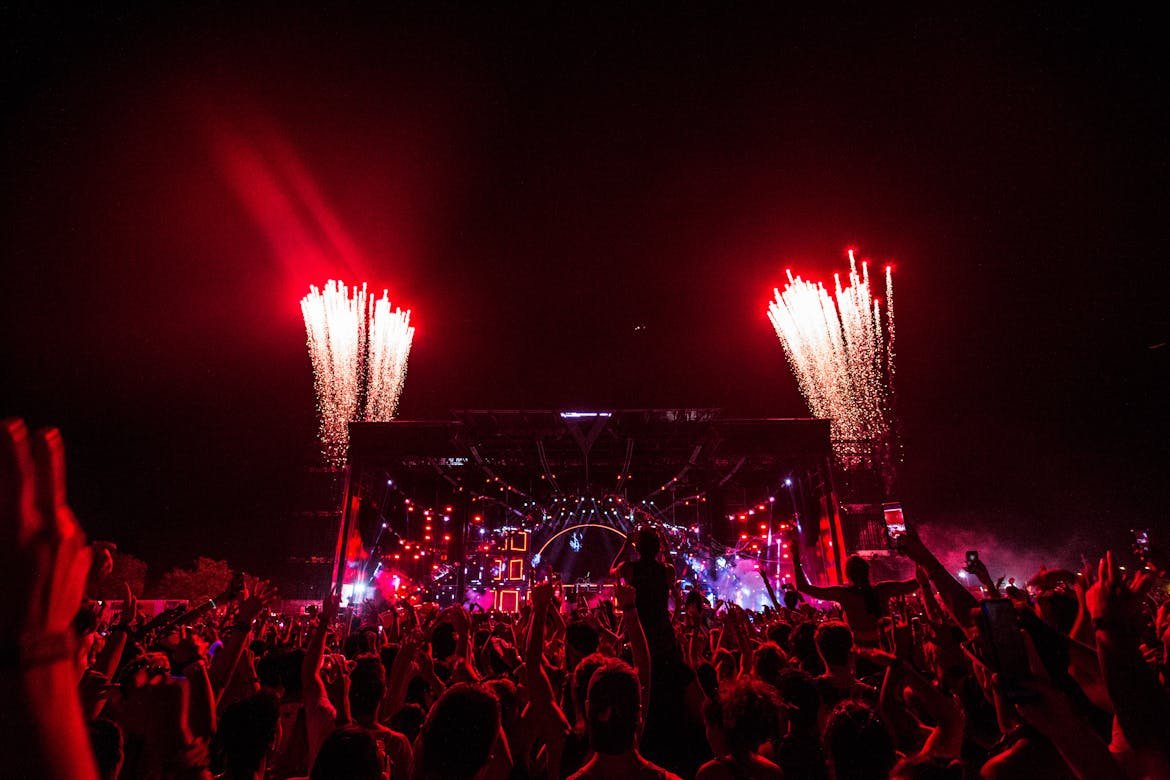
BTS’ global “Arirang” tour sparks sold-out flights, soaring hotel demand, and a new wave of concert-driven international travel. Photo: Wendy Wei / Pexels
Earlier this year, we examined how BTS’ comeback tour announcement immediately triggered international travel spikes and reshaped booking patterns across key markets.
In a follow-up analysis, we explored how global travel demand accelerated in the days after tickets went on sale, signaling that live entertainment is becoming a structural driver of mobility rather than a short-term surge.
Now the numbers behind that shift are becoming clearer. According to CNBC, the scale of demand surrounding BTS’ 2026 “Arirang” world tour is reinforcing concert tourism as one of the most lucrative segments in travel this year.
The tour spans 34 cities across Asia, North and South America, Australia, Europe, and the UK between April 2026 and March 2027. Despite significantly expanding ticket inventory compared to previous tours, shows reportedly sold out in just 20 minutes. Almost immediately, flights and hotel rooms in host cities followed a similar trajectory.
Travel searches surged sharply after the announcement. Seoul recorded a triple-digit increase in search activity within 48 hours, while Busan saw an exponential jump. The ripple effect extended beyond South Korea.
In Kaohsiung, Taiwan, travel interest rose dramatically year over year around scheduled tour dates. In multiple cities, accommodations near major transport hubs and concert venues filled quickly, even at elevated rates.
The pattern reflects a broader evolution in consumer behavior. Unlike annual festivals or recurring events, global concert tours create concentrated, high-intensity booking windows driven by urgency. Fans treat the opportunity as rare and time-sensitive, compressing demand into a short period. This creates immediate revenue spikes not only for airlines and hotels but also for local restaurants, transportation services, and retail businesses.
Industry observers note that concert travelers differ from traditional leisure guests. Many prioritize proximity and convenience over luxury amenities. Their primary goal is access to the venue, often arriving shortly before the show and departing soon after. At the same time, a growing segment is extending trips by a few days, blending concert attendance with short leisure stays, effectively turning events into mini-destination experiences.
Resale ticket markets have further amplified the economic effect, with secondary prices reaching multiples of original face value. While that dynamic highlights intense demand, it also underscores how entertainment-driven travel is now influencing pricing power across multiple sectors.
As 2026 unfolds, major global tours from other artists are expected to generate similar booking waves. BTS’ “Arirang” tour illustrates how live entertainment is no longer peripheral to the travel industry. It is emerging as a core demand engine, capable of moving global search patterns and reshaping city-level tourism flows almost overnight.
JetBlue and United enter a new phase of their Blue Sky partnership, allowing customers to book flights across both networks using cash, points, or miles directly on either airline’s platform.
By Yuliya Karotkaya
Published:
Updated:
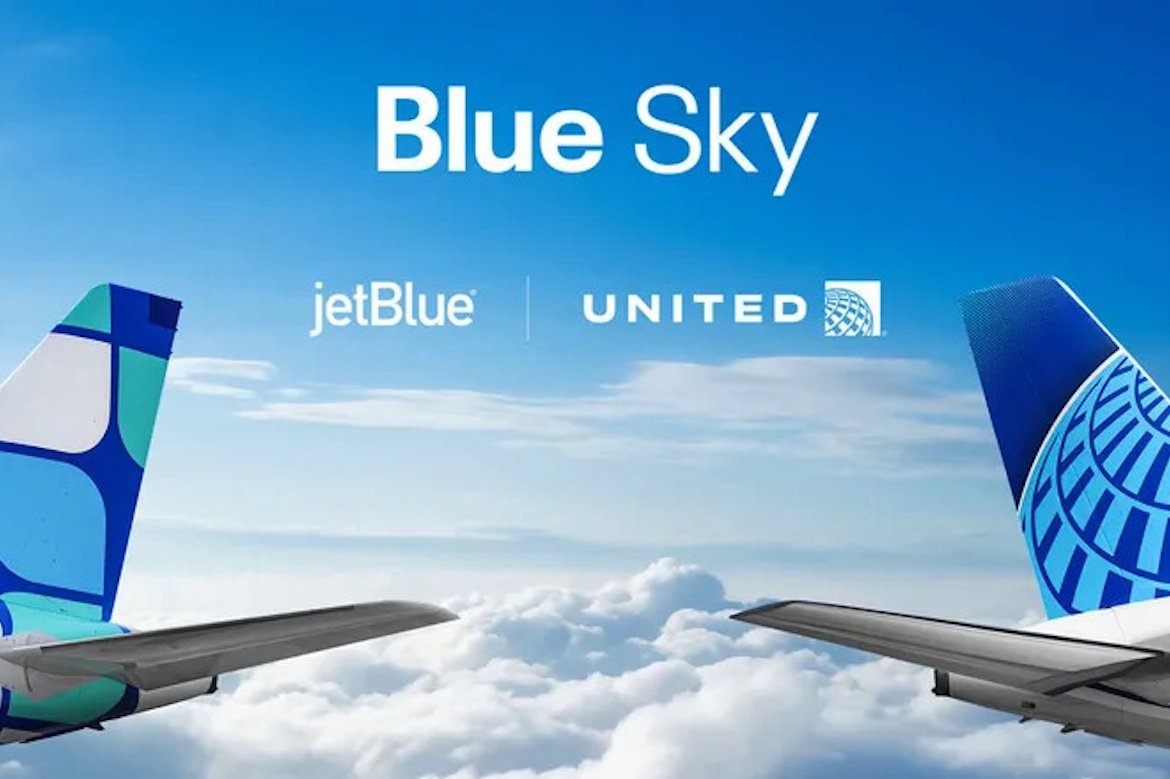
JetBlue and United deepen their Blue Sky collaboration, expanding booking access, loyalty flexibility, and network reach across both airlines. Photo: United Airlines
JetBlue and United are deepening their commercial partnership, marking a new phase in the so-called Blue Sky collaboration that significantly expands booking flexibility for customers on both networks.
Beginning this week, travelers can purchase eligible itineraries operated by either airline directly through JetBlue or United’s websites and mobile apps, using cash, JetBlue TrueBlue points, or United MileagePlus miles.
The move builds on the first phase of the partnership introduced in 2025, which allowed reciprocal loyalty earning and redemption. Now, revenue bookings across both carriers represent a tangible shift in how the two airlines position their networks – less as competitors in certain markets and more as complementary platforms offering broader reach and more payment options.
Broader Booking Access Across Two Networks
For customers, the most immediate change is visibility. When searching for flights on either airline’s digital channels, users will now see a wider range of options that include eligible services operated by the partner carrier.
A JetBlue customer browsing JetBlue.com, for example, may see United-operated routes that extend beyond JetBlue’s core leisure footprint. Likewise, United customers gain streamlined access to JetBlue’s strong presence across the Caribbean, Latin America, and select European routes.
Importantly, travelers can book using their preferred currency. TrueBlue members can redeem points for eligible United-operated itineraries through JetBlue’s channels, while MileagePlus members can use miles for eligible JetBlue flights when booking through United. This flexibility addresses one of the most persistent friction points in airline partnerships: loyalty silos that limit redemption value.
For now, bookings must still be made separately within each airline’s ecosystem, meaning customers cannot yet create a single itinerary that combines flights operated by both carriers. However, both airlines have confirmed that interline capabilities – allowing seamless multi-carrier itineraries – are planned for a future phase.
JetBlue Vacations is also expanding under the collaboration. United flights are now available within JetBlue’s Flight + Hotel packages, broadening long-haul and international options for leisure travelers. Cruise packages supported by United inventory are expected to follow, signaling a wider push into bundled travel products.
Loyalty Perks, JFK Growth, and What Comes Next
The next milestone in the Blue Sky rollout is scheduled for spring, when reciprocal elite perks will be introduced. Status members in TrueBlue and MileagePlus are expected to receive benefits such as priority boarding, preferred and extra-legroom seating, and same-day changes or standby across both airlines. These features move the partnership closer to a quasi-alliance model, even though the carriers remain independent.
A longer-term structural element of the collaboration involves New York’s JFK Airport. Beginning in 2027, JetBlue plans to lease up to seven daily roundtrip slots to United at JFK’s new Terminal 6. This arrangement would enable United to reestablish a meaningful presence at JFK, complementing its dominant position at Newark Liberty International Airport and strengthening its competitive stance in the New York market.
Additionally, United’s MileagePlus travel platform is expected to transition to Paisly later in 2026, expanding ancillary booking capabilities such as hotels, vacation packages, rental cars, cruises, and travel insurance. This mirrors JetBlue’s broader strategy of building an integrated digital travel ecosystem rather than focusing solely on air tickets.
Taken together, the second phase of Blue Sky represents more than a codeshare-style arrangement. It reflects a strategic recalibration by both airlines to increase distribution reach, improve loyalty stickiness, and compete more effectively against larger global alliances.
For travelers, the immediate impact is greater choice and payment flexibility. For the industry, it signals a new model of bilateral collaboration that blends revenue sharing, loyalty integration, and network expansion without a formal merger.
Europe’s leading aviation bodies are urging Brussels to introduce greater flexibility in the Entry-Exit System rollout, warning that airport queues could reach four hours this summer.
By Yuliya Karotkaya
Published:
Updated:
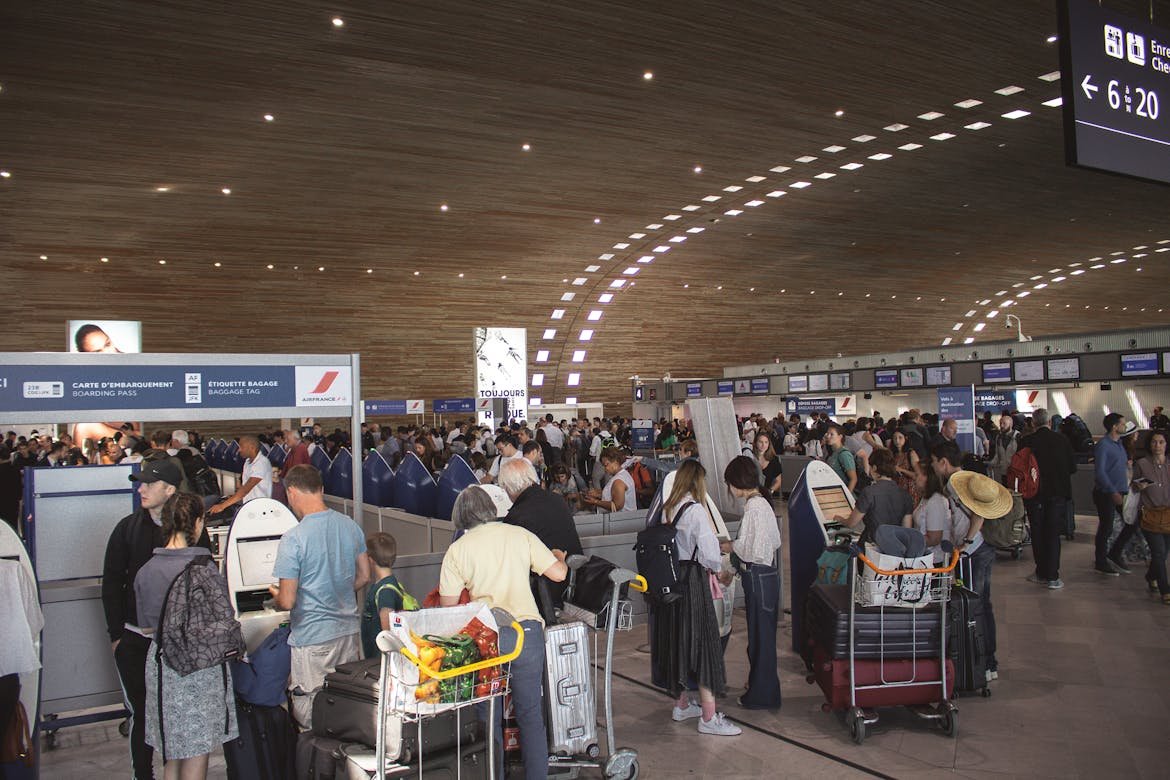
Airlines and airports warn that the EU’s Entry-Exit System could trigger severe summer airport delays without additional flexibility. Photo: Connor Danylenko / Pexels
As previously reported in our coverage of the EU Entry-Exit System flexibility measures, the European Union has allowed Schengen states limited room to ease implementation during peak summer months. However, Europe’s leading aviation associations now argue that current provisions may not be enough to prevent serious operational disruption.
In a joint letter to EU Commissioner Magnus Brunner, ACI Europe, Airlines for Europe, and International Air Transport Association warned that airport border queues could stretch to four hours or more this summer if immediate corrective action is not taken. The groups say that while EU institutions consider the rollout of the Entry-Exit System, or EES, to be progressing smoothly, the on-the-ground reality at airports tells a different story.
EES, introduced in phases beginning in October 2025, replaces passport stamping for non-EU travelers with biometric registration, including fingerprint and facial image capture. Currently, around 35% of third-country nationals entering the Schengen Area must be registered under the system’s progressive deployment. Even at this partial level, aviation groups report persistent waiting times of up to two hours at some airport border checkpoints.
Structural Bottlenecks at Border Control
Industry representatives identify three main sources of delay. First is chronic understaffing at border control posts, particularly during high-traffic periods. Second are unresolved technical issues, including glitches in automated border systems designed to speed up biometric processing. Third is the limited adoption of the Frontex pre-registration app by Schengen states, which was intended to allow travelers to submit certain data in advance.
These weaknesses, they argue, risk compounding congestion when passenger volumes double during July and August. Several airports across Spain, Italy, France, Germany, the Netherlands, Portugal, Belgium, and other Schengen countries have already recorded peak-time delays of up to three hours in recent months. In some cases, travelers reportedly missed onward flights due to extended queues.
The aviation sector stresses that it supports digital border modernization but insists the rollout must reflect operational realities. Without greater flexibility, mandatory full registration of all eligible travelers at the height of summer could push processing times beyond manageable limits.
Call for Extended Flexibility Through 2026
A central demand from the industry is for the European Commission to confirm that member states can partially or fully suspend EES operations until at least October 2026 if necessary. Under Regulation 2025/1534, current suspension mechanisms may expire beyond early July, leaving uncertainty about whether countries can legally scale back checks under the Schengen Border Code during peak congestion.
The Commission has indicated that additional temporary suspensions of up to 90 days, with a potential 60-day extension, could be applied after the April implementation deadline. However, aviation leaders argue that clearer guarantees are needed before the busiest travel period begins.
For travelers, the immediate advice remains practical: expect longer processing times at passport control and proceed to border checkpoints as early as possible. For policymakers, the challenge lies in balancing long-term digital transformation with short-term operational capacity. As summer approaches, the success of EES may depend less on its technological ambition and more on its flexibility in execution.
DNA testing is reshaping travel trends, inspiring members of the African diaspora to explore ancestral roots in West Africa through curated heritage tours.
By Yuliya Karotkaya
Published:
Updated:
Ancestry travel is drawing diaspora visitors to West Africa to reconnect with heritage, history, and cultural identity. Photo: Emmanuel Yeboah Okine / Unsplash
The rapid rise of consumer DNA testing has reshaped how travelers think about identity and belonging. What was once an abstract interest in genealogy has become a concrete itinerary, with test results pointing to specific regions, ethnic groups, and countries.
For many members of the African diaspora, particularly African Americans, ancestry travel has evolved into a meaningful and fast-growing tourism segment. Instead of traditional sightseeing, these journeys center on rediscovery – tracing roots, understanding history, and building new connections with ancestral homelands.
West Africa has emerged as a focal point in this movement. Countries such as Ghana, Senegal, Benin, Sierra Leone, and Nigeria frequently appear in DNA results for descendants of enslaved Africans. Ghana’s 2019 Year of Return campaign, which commemorated 400 years since the first enslaved Africans were taken to the Americas, helped formalize this trend.
The initiative positioned the country not only as a historical destination but as a welcoming place for reconnection, drawing hundreds of thousands of visitors and generating significant economic impact.
Heritage Sites and Emotional Pilgrimages
For many travelers, the journey begins at historic coastal forts and memorial sites tied to the transatlantic slave trade. In Ghana, UNESCO-listed landmarks such as Cape Coast Castle and Elmina Castle offer guided experiences that confront the painful realities of history.
In Senegal, Gorée Island’s Door of No Return has become a powerful symbol of remembrance. Sierra Leone’s Bunce Island and Benin’s Slave Route in Ouidah provide additional spaces for reflection, education, and mourning.
These visits are often described as emotional pilgrimages rather than vacations. Travelers walk through preserved dungeons, stand at ocean-facing memorial gates, and participate in ceremonies designed to honor ancestors. For some, the experience fills gaps left by traditional school curricula.
For others, it becomes the starting point for deeper engagement, including property investment, business ventures, or even pathways to citizenship in certain West African nations that have opened residency programs for people of African descent.
Tour Operators Shaping the Experience
As interest grows, specialized tour companies have developed structured heritage programs tailored to diaspora travelers. Ashanti African Tours offers multi-day heritage journeys across West Africa, combining visits to historical slave trade sites with cultural festivals, traditional durbars, and community encounters. The focus extends beyond history to contemporary identity, including drumming workshops, market visits, and interactions with local artisans.
Other operators curate cross-border itineraries linking Ghana with Togo, Benin, Senegal, and Gambia. These trips often blend educational components with immersive cultural experiences such as language introductions, cooking demonstrations, and storytelling sessions led by historians. The goal is not only to look back but to situate ancestry within living, evolving societies.
The broader appeal of ancestry travel reflects a shift in global tourism toward purpose-driven experiences. Travelers increasingly seek journeys that offer personal meaning rather than passive observation. In the case of the African diaspora, DNA technology has provided both a map and a motivation. What began as a laboratory result is becoming a return – a chance to stand on ancestral soil, understand shared history, and build ties that extend into the future.
China’s annual Lunar New Year travel rush is underway, with a record 9.5 billion trips expected as millions endure long journeys home for the Spring Festival.
By Yuliya Karotkaya
Published:
Passengers crowd train stations across China as the Lunar New Year travel rush drives a record 9.5 billion trips nationwide. Photo: zhen tang / Pexels
China has entered its annual Lunar New Year travel rush, known domestically as chunyun, with authorities forecasting a record 9.5 billion trips during the 40-day holiday period. The migration unfolds ahead of the Lunar New Year on February 17 and is widely considered the largest recurring human movement in the world. Train stations, airports, and highways are already operating at full capacity as millions make their way back to hometowns.
Government estimates suggest that around 540 million journeys will be made by rail and 95 million by air, with the majority of trips occurring on the country’s vast road network. In a nation where long working hours and limited annual leave are common, the Spring Festival offers one of the few extended breaks of the year. For many workers, returning home is not simply a holiday choice but a cultural obligation.
At major stations in Beijing, passengers line up with heavy luggage and gift packages, preparing for journeys that can exceed 30 hours. Among them are migrant workers traveling thousands of kilometers to provinces such as Chengdu. Some choose slower trains to save money, even when high-speed services could cut the trip to under 10 hours. Economic uncertainty has made ticket prices more significant for households already feeling pressure.
Despite tighter finances, the desire to reunite with family remains strong. Younger professionals working in large cities describe the nine-day holiday as rare and increasingly precious. As urbanization spreads families farther apart, the annual reunion carries emotional weight that outweighs inconvenience. Crowded waiting halls and packed compartments are accepted as part of the ritual.
The sheer scale of movement inevitably strains infrastructure. Platforms fill quickly, and stations provide free hot water as travelers rely on instant meals during long waits. Authorities increase train frequency and coordinate with airlines to ease congestion, but bottlenecks are unavoidable. The temporary surge highlights how domestic mobility in China rivals international tourism flows in other regions.
At the same time, the migration underscores broader debates about capacity and overtourism within transport hubs. Major metropolitan centers experience sharp population swings as residents depart, while smaller cities absorb sudden inflows of visitors. Services must adjust rapidly to shifting demand.
Even in a year marked by slower economic growth, the record number of projected journeys demonstrates how deeply embedded this tradition remains. The annual return home defines the country’s social calendar, reinforcing family ties across vast distances. For millions, enduring the travel rush is simply the price of belonging.
Hard Rock Hotel & Casino Atlantic City is investing $50 million in room upgrades, new restaurants, and property enhancements as part of its ongoing reinvestment strategy.
By Yuliya Karotkaya
Published:
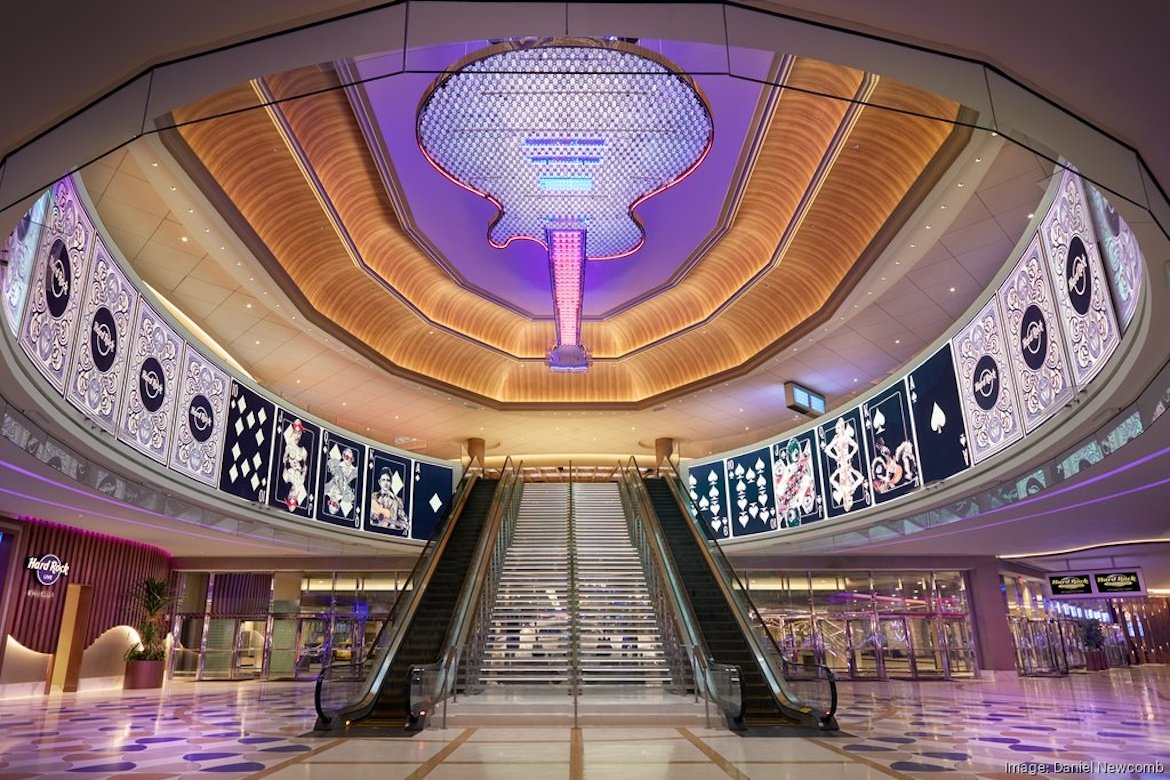
Hard Rock Atlantic City begins a $50 million renovation, refreshing rooms and expanding dining as part of its continued reinvestment strategy. Photo: Hard Rock
Hard Rock Hotel & Casino Atlantic City has begun a $50 million renovation project set to reshape key areas of the resort throughout 2026. The investment focuses primarily on the property’s North Tower, where more than 700 standard guestrooms, over 60 suites, and eight penthouses will undergo refurbishment. Walkways and corridors will also receive upgrades, reflecting a broader effort to refresh the guest experience across the property.
The renovation continues a pattern of steady reinvestment since the former Trump Taj Mahal reopened under the Hard Rock brand in 2018. Company officials say nearly $700 million has been invested in the resort over the past several years. That spending has included major room upgrades, new entertainment features, and enhancements to gaming and beachfront amenities. The latest round of improvements signals that the company sees Atlantic City as a long-term growth market rather than a short-term opportunity.
In addition to guestroom renovations, the resort is introducing new dining concepts aimed at broadening its culinary appeal. An Indian restaurant with boardwalk views and a casual fried chicken concept from Philadelphia are among the additions expected to open this year. The expansion of dining options reflects a broader industry trend, where resorts increasingly compete on food and lifestyle experiences alongside gaming and lodging.
Infrastructure and operational upgrades are also part of the capital plan. New carpeting will be installed in casino and corridor spaces, and exterior work is planned for other parts of the property. The resort is adding electric vehicle charging stations at its on-site fuel and service facility, signaling attention to evolving guest needs. These incremental changes, while less visible than suite renovations, contribute to overall competitiveness in a crowded regional market.
The renovation follows a similar $50 million investment announced in 2023, which included penthouse upgrades, the debut of a new high-limit slot area, and additional amenities designed to enhance premium guest experiences. Entertainment remains a core pillar of the resort’s strategy, with a lineup of major touring acts scheduled throughout 2026 across its venues. By pairing physical upgrades with headline performances, Hard Rock aims to reinforce its identity as both a gaming destination and a full-scale entertainment resort.
For Atlantic City, continued reinvestment by a major operator provides stability in a market that has seen cycles of expansion and contraction. For Hard Rock, the renovation underscores a consistent strategy: modernize, diversify offerings, and maintain momentum through capital spending rather than relying solely on legacy appeal.
Cuba has suspended jet fuel refueling at nine airports, disrupting long-haul routes and adding new strain to a tourism sector already hit by an escalating energy crisis.
By Yuliya Karotkaya
Published:
Updated:
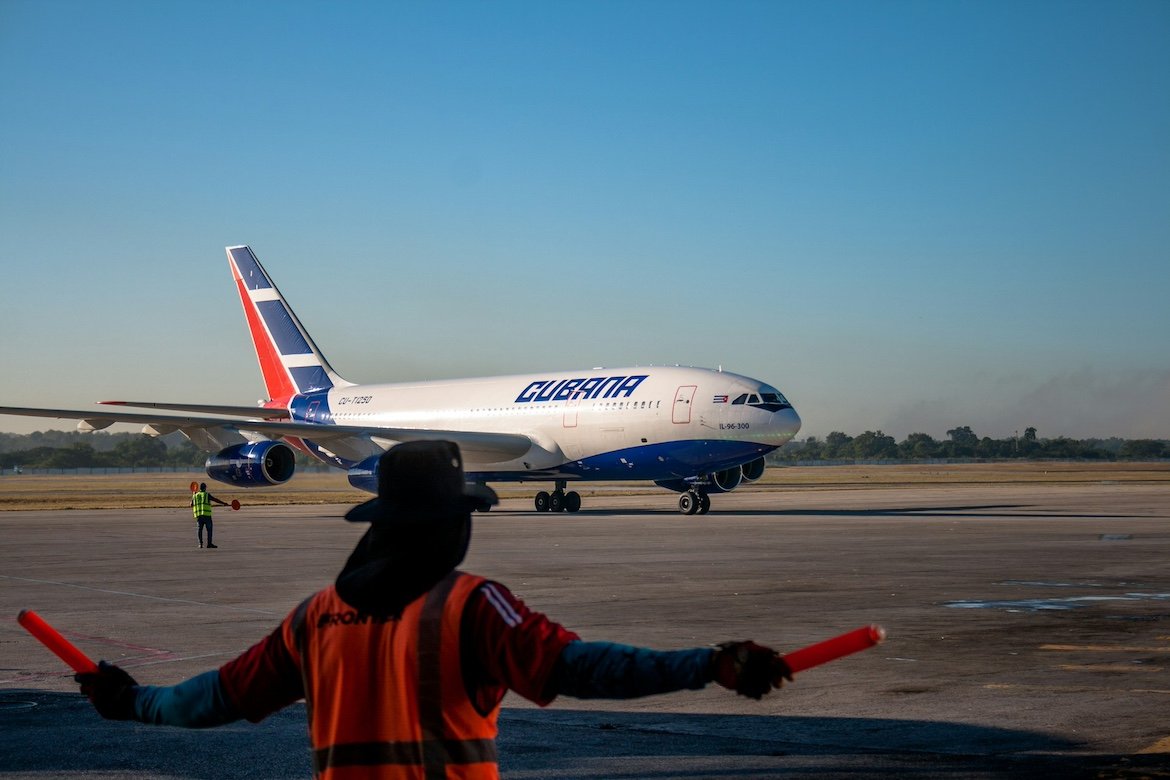
Cuba’s suspension of jet fuel refueling at major airports highlights the island’s deepening energy emergency and mounting pressure on tourism. Photo: Ricardo IV Tamayo / Unsplash
Cuba has warned airlines that jet fuel will no longer be available for refueling at nine airports across the island, including José Martí International Airport in Havana.
The measure, announced in early February and set to run through mid-March, marks a significant escalation in the country’s energy crisis. For an economy heavily dependent on tourism, the decision introduces immediate operational challenges for carriers serving the island.
The refueling suspension comes amid mounting fuel shortages linked to tightened U.S. sanctions and reduced access to petroleum supplies from key partners such as Venezuela and Mexico.
Political pressure from Donald Trump has effectively severed Cuba’s main energy lifelines, including a recent executive order targeting countries that provide oil to the island. The resulting fuel scarcity has rippled across transportation systems, from aviation to public buses.
Airlines Adjust Routes and Schedules
While shorter regional flights may be able to operate by carrying additional fuel, long-haul routes face greater complexity. Airlines from Canada and Europe, which represent a vital share of Cuba’s inbound tourism, must now consider refueling stops outside the country. Air Canada has already announced a suspension of flights to Cuba, while other carriers are planning technical stops in destinations such as the Dominican Republic or Mexico before continuing to Havana.
Pilots and aviation analysts note that fuel shortages are not entirely new for the island, but an official, broad-scale suspension of refueling services is unusual even by Cuban standards. Similar measures more than a decade ago required aircraft to refuel in third countries before crossing the Atlantic. The current notice signals a deeper supply strain, raising uncertainty about how long restrictions may remain in place.
Tourism and Daily Life Under Pressure
Tourism has long served as one of Cuba’s primary sources of foreign currency, generating billions in annual revenue before the pandemic. Any disruption to international air connectivity risks further weakening a sector that has struggled to fully recover. Reduced flight frequency, added layovers, and potential cancellations may deter travelers already weighing logistical concerns.
Beyond aviation, the energy emergency is reshaping daily life on the island. Authorities have reduced bank operating hours, suspended major cultural events such as the Havana International Book Fair, and scaled back public transportation services. Reports of power outages lasting up to ten hours and fuel rationing at gas stations underscore the severity of the crisis. Fuel distribution companies have also limited gasoline sales and shifted transactions to U.S. dollars.
Cuban President Miguel Díaz-Canel addressed the nation in a televised speech, acknowledging the strain and signaling that additional measures may follow. U.S. sanctions, in place for more than six decades, have historically constrained Cuba’s economy, but recent actions have intensified the pressure.
For the travel industry, the suspension of jet fuel availability illustrates how geopolitical shifts can rapidly affect connectivity. As airlines adapt with rerouted flights and contingency planning, the broader question remains how long Cuba’s aviation infrastructure can operate under such constraints without further impact on tourism flows in 2026.
A prolonged U.S. government shutdown weighed on Marriott’s fourth-quarter results, but strong leisure and luxury demand helped offset the decline in business travel.
By Yuliya Karotkaya
Published:
Updated:
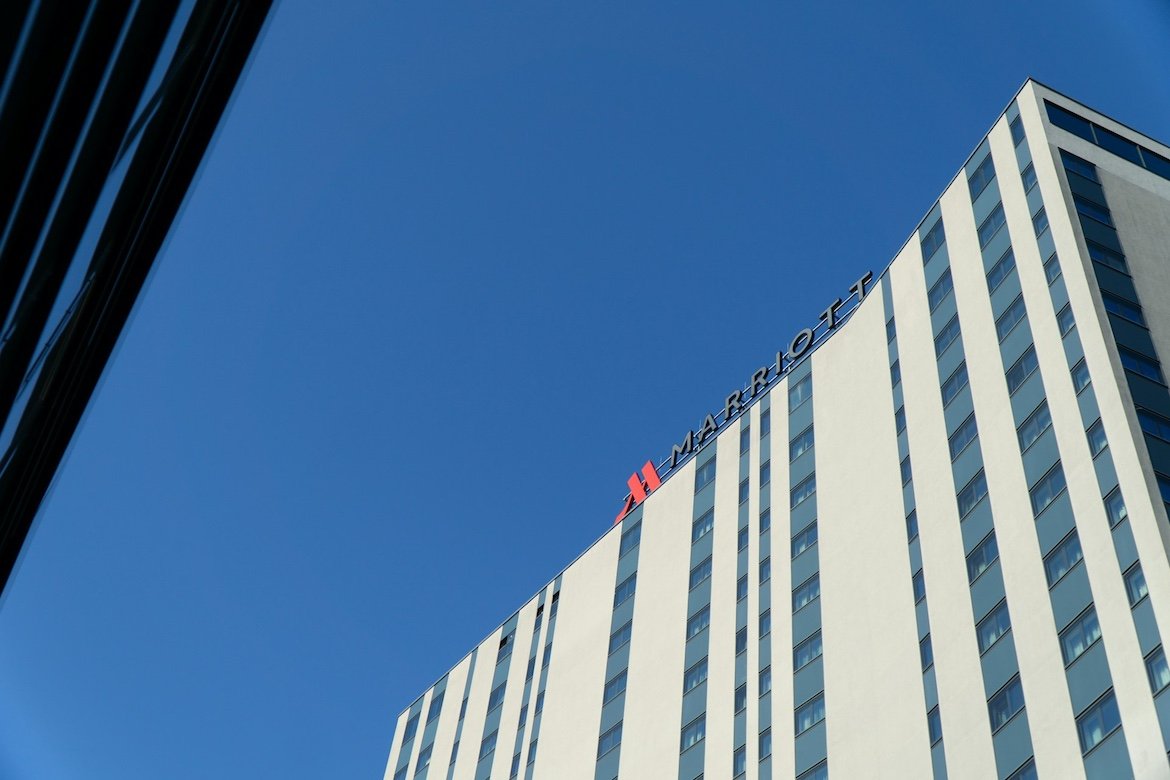
Marriott’s fourth-quarter results highlight the drag from reduced government travel and the continued strength of luxury and leisure demand. Photo: Jonathan Kemper / Unsplash
Marriott International closed the fourth quarter with mixed results, as a sharp drop in U.S. government travel offset gains from leisure and group segments.
Revenue per available room in the U.S. and Canada was essentially flat, reflecting a significant decline in business transient demand tied to a 43-day federal government shutdown. While executives had expected steadier growth, policy-driven disruptions proved to be a meaningful headwind for midscale and select-service properties in particular.
During the earnings call, Marriott’s leadership acknowledged that government-related bookings fell by more than 30% at the height of the shutdown. Although that decline has since moderated to around 15% for the year, the immediate ixmpact was concentrated in hotels that rely heavily on federal employees and contractors. Markets with strong government presence saw occupancy levels dip as travel authorizations were paused and business trips delayed.
Government Travel Declines Weigh on North America
Despite the setback, other segments posted modest gains. Leisure RevPAR increased 2% in North America during the quarter, while group RevPAR rose 1%. Those gains were not enough to fully counterbalance a 3% decline in business transient demand, which remains more sensitive to economic and political uncertainty.
The divergence was particularly visible across chain scales. Luxury properties continued to outperform, with annual RevPAR in that segment rising 6%. In contrast, select-service hotels saw a slight decline for the year. Executives pointed to continued resilience among higher-end consumers, who are prioritizing spending on experiences and travel over material goods. Roughly 10% of Marriott’s global room portfolio sits in the luxury category, a segment the company believes remains structurally strong.
Globally, performance painted a somewhat brighter picture. Fourth-quarter RevPAR rose 1.9%, driven largely by 6.1% growth in international markets. Europe and other overseas regions benefited from stronger leisure flows and recovering travel patterns, helping offset softness in North America.
Luxury Strength and 2026 Outlook
Looking ahead, Marriott forecasts global RevPAR growth of 1.5% to 2.5% in 2026. Executives expect the gap between the high end and the more price-sensitive segments to continue, though perhaps not as sharply as in 2025. The company’s broader strategy increasingly emphasizes premium brands and experiential travel, reflecting shifting consumer behavior in the post-pandemic landscape.
Financially, the company reported adjusted EBITDA of $1.40 billion for the quarter, up from $1.29 billion a year earlier. Quarterly revenue reached $6.69 billion, compared with $6.43 billion in the same period last year. While growth remains moderate, leadership expressed confidence that underlying demand for travel, particularly at the upper end of the market, provides a stable foundation.
Marriott also provided updates on its early-stage artificial intelligence initiatives, including collaborations with Google and OpenAI. The company plans to introduce natural-language search features across its digital platforms, though executives cautioned that AI applications remain in their infancy.
For now, Marriott’s fourth-quarter results underscore a broader theme in hospitality: government and corporate travel can fluctuate quickly, but leisure and luxury demand continue to offer resilience. As 2026 unfolds, the company’s performance may depend less on policy stability and more on its ability to capture higher-end, experience-driven travelers.
Join our list to receive latest Blockchain, Crypto & Fintech news:
WordPress database error: [Table 'u752143311_aXVuj.wp_coingecko_coins' doesn't exist]
            SELECT coins.*, meta.post_id as post_id
            FROM `wp_coingecko_coins` coins
            INNER JOIN wp_postmeta meta ON (meta.meta_key = 'wpcf-coin-main-tag' AND meta.meta_value = coins.slug )
            ORDER BY market_cap_usd
            DESC LIMIT 9