Allegiant Air has agreed to acquire Sun Country Airlines in a $1.5 billion cash-and-stock deal that will create one of the largest leisure-focused carriers in the United States.
By Yuliya Karotkaya
Published:
Updated:
Allegiant and Sun Country Planes. Photo: Allegiant Travel Company
Allegiant Air has announced a definitive agreement to acquire Sun Country Airlines in a transaction valued at approximately $1.5 billion, including debt, marking one of the most significant consolidations in the U.S. low-cost airline sector in recent years.
The deal, structured as a mix of cash and stock, reflects growing confidence in leisure travel demand and signals a strategic push to build scale in a competitive market.
Under the terms of the agreement, Sun Country shareholders will receive 0.1557 shares of Allegiant stock and $4.10 in cash for each Sun Country share. This values Sun Country stock at $18.89 per share, representing a premium of nearly 20 percent compared to its prior closing price. Once the transaction is completed, Allegiant shareholders will own approximately 67 percent of the combined company, with Sun Country shareholders holding the remaining 33 percent.
The combined airline will be headquartered in Las Vegas and operate a fleet of roughly 195 aircraft, with additional orders and options already in place. Together, the carriers are expected to serve around 22 million passengers annually across nearly 175 cities, significantly expanding access to leisure destinations throughout the United States and select international markets. Both airlines are known for serving underserved or secondary airports, a strategy that executives say will remain central to the merged company’s growth.
Allegiant leadership described the acquisition as a natural fit, highlighting Sun Country’s diversified business model and strong operational performance. Sun Country brings a mix of scheduled passenger service, charter flying, and cargo operations, including a growing presence in Amazon air cargo, which complements Allegiant’s ultra-low-cost, leisure-focused network.
Financially, the companies expect the merger to generate approximately $140 million in annual synergies by the third year after closing. These efficiencies are expected to come from network optimization, fleet utilization, combined loyalty programs, and cost savings across operations. The deal is projected to be accretive to earnings per share in the first year following completion.
Both companies’ boards have unanimously approved the transaction, which remains subject to regulatory review and customary closing conditions. The airlines expect the deal to close in the second half of 2026.
If approved, the merger would create one of the largest leisure-focused airlines in the U.S., positioning the combined carrier to compete more aggressively on price, destination breadth, and operational efficiency at a time when travelers continue to prioritize affordable vacation travel.
Federal government shutdowns deliver immediate and costly consequences for U.S. travel, with a new study estimating $6.1 billion in losses from a single 43-day disruption.
By Yuliya Karotkaya
Published:
Updated:
Government shutdowns have had a significant financial and operational impact on the U.S. travel industry. Photo: Ian Hutchinson / Unsplash
Federal government shutdowns are often framed as political stalemates, but their real-world consequences extend far beyond Washington, delivering immediate and measurable damage to the U.S. travel industry and the broader economy.
A recent analysis by the U.S. Travel Association and Tourism Economics shows that the most recent 43-day shutdown resulted in an estimated $6.1 billion in losses across travel and related sectors, underscoring how vulnerable the nation’s travel system is to prolonged funding disruptions.
One of the most immediate impacts is felt across aviation. During shutdowns, essential workers such as air traffic controllers, TSA officers, and Customs and Border Protection staff are required to continue working without pay. This policy places severe strain on a workforce already operating under pressure.
Past shutdowns have demonstrated how quickly this stress translates into operational breakdowns. Controller shortages have forced flight reductions at dozens of major airports, triggering widespread delays and cancellations that ripple through the national air network and disrupt travel plans for millions of passengers.
Beyond operational strain, shutdowns sharply suppress travel demand. Government-related travel effectively stops, including trips by federal employees and contractors. At the same time, the closure of national parks, museums, and other federally operated attractions reduces the appeal of travel to gateway cities and regional destinations. These closures discourage leisure travel and cut off a critical source of visitor spending for local economies that rely heavily on tourism dollars.
The economic impact extends well beyond airlines and airports. Hotels, restaurants, tour operators, small businesses, and transportation providers all feel the effects of fewer visitors and shorter stays. According to the analysis, the U.S. experienced an average of 88,000 fewer trips per day during the shutdown period. Direct trip-related losses alone totaled $2.7 billion, while flight delays added more than $180 million in additional costs. Government-related air travel losses approached $1 billion, with non-air travel losses nearing $1.3 billion.
Despite these consequences, there is growing public and political recognition that the current system is unsustainable. Surveys show strong bipartisan support for ensuring that essential aviation and security personnel continue to be paid during shutdowns. Legislative efforts are already underway in Congress to protect funding for air traffic controllers in future shutdown scenarios, reflecting an understanding that keeping the travel system stable is not optional but essential.
Ultimately, government shutdowns represent an avoidable threat to an industry that supports roughly 15 million jobs and plays a central role in U.S. economic growth. The $6 billion price tag attached to a single shutdown makes clear that political deadlock carries real economic costs. Protecting the continuity of travel operations and fairly compensating essential workers is not only a matter of fairness, but a practical necessity for safeguarding the nation’s travel infrastructure and economic resilience.
Google’s new Universal Commerce Protocol is built to help AI agents complete purchases inside conversations – a model that could translate naturally to complex travel bookings.
By Yuliya Karotkaya
Published:
Updated:
Google’s Universal Commerce Protocol is designed to make AI-driven checkout possible across complex purchases, including travel. Photo: Google
Google is pushing AI beyond trip inspiration and into the messy, transactional middle of travel: booking, paying, and fixing things when plans change. The company’s newly announced Universal Commerce Protocol (UCP) is an open standard meant to let AI agents move shoppers from discovery to checkout and then into post-purchase support without forcing users to bounce between websites, apps, and confirmation emails.
In retail, that means a faster path to buying. In travel, it points toward a future where an assistant can assemble an itinerary, confirm it, and manage the follow-through in one continuous flow.
UCP was introduced at the National Retail Federation’s annual conference as a way to standardize how agents and commerce systems talk to each other across the full journey. Google says the protocol is compatible with other agent standards and payment protocols, and it’s being developed with a broad set of partners and endorsers across the commerce ecosystem.
The near-term rollout focuses on eligible product listings in Google Search’s AI Mode and the Gemini app, where users can complete a purchase without leaving the conversation, using details saved in Google Wallet and Google Pay, with PayPal support planned.
What UCP changes, and why travel is a prime use case
Travel is one of the most rules-heavy purchases most people make. Even a “simple” trip can involve flights, hotels, seat selections, bags, transfers, insurance, loyalty numbers, special requests, and cancellation terms – all spread across different suppliers. Today, that complexity shows up as friction: separate logins, multiple records, scattered policies, and a lot of manual effort when something goes wrong.
UCP is meant to remove the need for one-off integrations between every assistant and every merchant system. If travel providers adopt a common language for discovery, checkout, and post-purchase actions, an AI agent could potentially handle multi-step trip assembly more like a single transaction: confirm the traveler’s constraints, select options, apply loyalty or credits, execute payment, and then keep the trip “alive” for changes later. That’s the key travel angle: the protocol isn’t only about buying – it’s also about what happens after buying, which is where travelers feel the most pain.
How Google’s agentic checkout could show up in booking flows
Google is positioning UCP as plumbing: something airlines, hotel groups, OTAs, and other platforms can connect to, rather than a single consumer storefront. In practice, it supports a model where travelers state intent conversationally (“long weekend, direct flights, walkable neighborhood, late checkout”), and an agent can translate that into offers and an executable checkout path.
If extended into travel, the next layer is servicing: re-accommodation when a flight cancels, hotel changes when dates shift, or swaps when prices drop. That’s also where trust matters most, and Google has emphasized that agent-driven actions should be consented and secured, with clear controls around payment credentials and account data.
The broader implication is competitive: if checkout happens inside AI conversations, travel brands will fight to be included in the agent’s short list, not just to rank well on a results page. UCP is Google’s bet that standardization can make that shift scalable – and that travel, with its complexity and high purchase value, is an obvious target.
JetBlue Vacations has launched a rare winter promotion offering up to 100% off base airfare when travelers book select Royal Caribbean cruise packages.
By Yuliya Karotkaya
Published:
Updated:
JetBlue is promoting a limited-time cruise package deal that significantly reduces the cost of airfare. Photo: Anthony Ketland / Unsplash
JetBlue Vacations has rolled out one of its most eye-catching travel promotions in years, giving cruise fans a strong incentive to plan their next getaway. For a limited time, travelers who book select Royal Caribbean cruise packages through JetBlue Vacations can receive up to 100% off the base airfare portion of their trip.
While taxes and fees still apply, the offer effectively removes one of the biggest cost barriers for cruise travel, especially during peak winter months.
The promotion applies to bundled Flight + Cruise packages featuring sailings with Royal Caribbean, one of the world’s largest cruise operators. Travelers who book by January 14 can secure the airfare discount for sailings available throughout JetBlue’s current booking window, which typically extends well into 2026. The exact savings vary depending on route availability and fare class, but in some cases the base round-trip flight cost drops to zero.
This deal is particularly attractive for travelers departing from the East Coast, where JetBlue maintains a strong network and competitive pricing. Caribbean itineraries are a major focus, offering warm-weather escapes at a time when airfare prices often spike. By bundling flights and cruises, JetBlue Vacations is positioning itself as a one-stop solution for travelers looking to simplify planning while locking in significant savings.
In addition to the cruise-focused promotion, JetBlue is also running a separate airfare sale aimed at short-term travel. Customers can save 26% on select one-way flights for travel between mid-January and late February using a promotional code. While this discount does not apply to vacation packages or premium cabins, it reinforces JetBlue’s broader push to stimulate winter travel demand.
There are, however, important limitations to consider. The free-flight cruise offer covers only base airfare on standard economy fares and excludes premium cabins such as JetBlue’s Mint. Availability is limited, blackout dates may apply, and not all routes qualify for the maximum discount. Cruise-related taxes, port fees, and onboard expenses remain additional costs.
Still, the promotion stands out in a market where airfare often determines whether travelers commit to a cruise. By absorbing much or all of the flight cost, JetBlue Vacations is making cruise travel more accessible, particularly for flexible travelers willing to book within the promotional window.
For those dreaming of swapping winter coats for ocean views, the deal offers a timely opportunity to plan ahead and stretch travel budgets further than usual.
HBO’s hit series The White Lotus will film its fourth season on the French Riviera, with Saint-Tropez and a historic palace hotel set to become the show’s next iconic backdrop.
By Yuliya Karotkaya
Published:
Updated:
Château de la Messardière in Saint-Tropez, one of the key filming locations for The White Lotus Season 4. Photo: Airelles, Saint-Tropez
Season 4 of The White Lotus is officially heading to the French Riviera, continuing the show’s tradition of pairing lavish destinations with razor-sharp social satire. The upcoming season will be filmed primarily in Saint-Tropez, with the 19th-century Château de la Messardière serving as one of its central locations.
The move marks the first time the HBO series has set an entire season in France, expanding its global footprint after previous chapters in Hawaii, Sicily, and Thailand.
Perched on a hill above Saint-Tropez and surrounded by 32 acres of landscaped gardens, Château de la Messardière offers the kind of cinematic grandeur that has become synonymous with The White Lotus.
The former palace has been transformed into an ultra-luxury hotel featuring expansive suites, panoramic terraces, multiple restaurants, a spa, and curated experiences ranging from wellness programs to private beach access. Suite rates at the property typically range from several thousand dollars per night, reinforcing its status as a symbol of Riviera exclusivity.
Filming is expected to begin in late April and continue through October, allowing production to capture the region during peak summer season as well as quieter transitional months. As with previous seasons, the story will not be confined to a single hotel. Creator Mike White is known for blending multiple locations to create a layered sense of place, and Season 4 will reportedly include scenes shot at additional properties along the Côte d’Azur, as well as select sequences filmed in Paris.
While plot details remain under wraps, the season will once again follow a group of guests and hotel staff over the course of a single week, exploring themes of privilege, power, and personal collapse beneath the surface of luxury. Industry sources suggest the Cannes Film Festival could factor into the storyline, given the timing and proximity of filming, though no official confirmation has been made.
Casting for the new season is underway, with a notable number of French actors auditioning, signaling a stronger local presence than in previous installments. The series has already confirmed several new cast members, while maintaining its tradition of largely standalone seasons with minimal returning characters.
Following the global tourism impact of earlier seasons, Saint-Tropez is likely to experience renewed attention as The White Lotus transforms one of Europe’s most storied resort towns into its next stage.
For the French Riviera, the series brings not just international exposure, but a fresh cultural lens on glamour, excess, and the uneasy truths that often lie beneath them.
From historic port cities to remote frontiers, The New York Times’ 2026 list highlights destinations shaped by culture, sustainability, and global change.
By Yuliya Karotkaya
Published:
Updated:
Philadelphia, one of the most popular urban destinations highlighted for travel in 2026. Photo: SANJIV JOSHI / Pexels
The annual Places to Go list from The New York Times has long been less about hype and more about context. The 2026 selection continues that tradition, spotlighting destinations shaped by history, reinvention, and changing traveler priorities rather than viral appeal.
This year’s top 10 reflects a strong editorial throughline: travel as understanding. Several destinations invite travelers to engage with pivotal moments in national identity, while others highlight neighborhoods and regions redefining themselves through culture, conservation, or creative energy.
From historic routes and revolutionary narratives to reimagined urban districts and biodiversity hotspots, the list balances introspection with exploration.
Below are the top 10 destinations for 2026, in order, as selected by The New York Times.
Revolutionary America
Rather than focusing on a single city, Revolutionary America reframes early U.S. history as a broader, interconnected landscape. The destination encompasses towns, battlefields, and museums across the Northeast, offering a more nuanced look at the American Revolution beyond textbook narratives.
In 2026, renewed interest comes from major anniversaries, expanded exhibitions, and updated storytelling that includes perspectives often left out of traditional accounts. Travelers are encouraged to explore smaller communities alongside iconic sites, connecting political ideals to real places where they were tested, challenged, and negotiated. It’s a destination rooted in reflection as much as patriotism.
Warsaw, Poland
Warsaw stands out as a city defined by resilience. Nearly destroyed during World War II, it has rebuilt itself multiple times – architecturally, politically, and culturally. Today, Warsaw is one of Europe’s most dynamic capitals, blending reconstructed historic quarters with bold contemporary design.
The city’s cultural scene is a major draw, with new museums, galleries, and performance spaces exploring Poland’s past and present. At the same time, Warsaw’s food, nightlife, and creative industries reflect a younger generation shaping the city’s future. It’s a destination where history is unavoidable, but never static.
Bangkok, Thailand
Bangkok’s return to the top of the list signals a renewed appreciation for cities that embrace contradiction. The Thai capital remains famously intense, but recent years have seen thoughtful evolution rather than reinvention.
New public spaces, riverfront projects, and contemporary art venues coexist with street food culture and historic temples. Bangkok’s strength lies in its ability to absorb change without losing its identity. For travelers in 2026, it offers both familiarity and surprise – a city that rewards repeat visits as much as first impressions.
Osa Peninsula, Costa Rica
One of the most biodiverse regions on Earth, the Osa Peninsula appeals to travelers seeking nature without compromise. Its rainforests, beaches, and marine ecosystems remain largely protected, emphasizing conservation over mass tourism.
Bandhavgarh, India
Bandhavgarh National Park is renowned for its high density of Bengal tigers. Improved wildlife protection and responsible tourism have strengthened its reputation as one of India’s most significant safari destinations.
Dallas, USA
Dallas continues to redefine itself beyond business and sports. A growing arts scene, architectural ambition, and diverse culinary culture have positioned the city as one of the most interesting urban stories in the U.S.
Oran, Algeria
Oran offers a rare glimpse into North African urban life beyond familiar tourist circuits. Its music, architecture, and Mediterranean setting reflect centuries of layered cultural influence.
Route 66, USA
Route 66 represents nostalgia, reinvention, and slow travel. In 2026, renewed preservation efforts and local initiatives are breathing life into towns long bypassed by modern highways.
Saba, Caribbean
Often overlooked in favor of larger islands, Saba is known for dramatic landscapes and low-impact tourism. Its appeal lies in hiking, diving, and a strong sense of community.
Poblenou, Barcelona, Spain
Once an industrial district, Poblenou has become one of Barcelona’s most creative neighborhoods. Design studios, tech hubs, beaches, and local markets coexist in a space that feels distinctly modern yet deeply local.
The 2026 list emphasizes destinations with stories to tell – places shaped by memory, movement, and meaningful change. Rather than chasing trends, The New York Times once again highlights where travel can offer deeper perspective, not just escape.
Hyatt has officially launched its Unscripted by Hyatt brand by adding six Wink hotels in Vietnam, more than doubling its footprint in the country.
By Yuliya Karotkaya
Published:
Updated:
Wink hotels in Vietnam are joining Hyatt’s new Unscripted collection as part of a strategic expansion. Photo: Hyatt
Hyatt Hotels Corporation has taken a major step in rolling out its newest brand concept, Unscripted by Hyatt, by signing six hotels in Vietnam operated under the Wink brand. The move marks the global debut of Unscripted by Hyatt and significantly strengthens Hyatt’s position in one of Southeast Asia’s fastest-growing hospitality markets.
The agreement brings six operating Wink properties into the Unscripted portfolio, increasing Hyatt’s presence in Vietnam from four hotels to ten. The participating properties include Wink Saigon Centre, Wink Danang Centre, Wink Danang Riverside, Wink Tuy Hoa Beach, Wink Can Tho Centre, and Wink Hai Phong Centre.
A seventh property, Wink Hanoi Westlake, is scheduled to join the collection when it opens in late 2026. Together, the hotels represent more than 2,000 rooms across key urban and coastal destinations in Vietnam.
Unscripted by Hyatt was unveiled in 2025 as part of Hyatt’s Essentials portfolio, positioned as an upscale, conversion-friendly brand designed for independent hotels. The concept allows properties to maintain their own identity, design language, and local character while benefiting from Hyatt’s global distribution systems, loyalty platform, and operational support. This flexible model is aimed at owners seeking scale without sacrificing individuality, and at travelers looking for hotels that feel distinct rather than standardized.
The partnership is built around Wink, a Vietnam-based lifestyle hotel brand founded in 2021. Wink positions itself as tech-enabled, sustainability-focused, and deeply rooted in contemporary Vietnamese culture. Its hotels emphasize smart-room technology, efficient layouts, and social spaces, combined with design elements that reflect local heritage through modern interpretations and nostalgic details. The brand has gained attention for targeting a younger, connected generation of travelers who value experience, design, and convenience over traditional luxury signals.
Hyatt executives have described the collaboration as a strategic fit, aligning Unscripted’s philosophy with Wink’s independent spirit. Vietnam is viewed as a priority growth market for Hyatt, driven by rising domestic travel, increased international arrivals, and strong long-term tourism fundamentals. By partnering with a locally established brand rather than introducing a new-build concept, Hyatt is accelerating its expansion while tapping into existing market knowledge and operational expertise.
For Wink, joining Unscripted by Hyatt provides access to a global audience through Hyatt’s distribution and loyalty ecosystem while preserving its core identity. The brand will continue to operate with its own ethos, design direction, and sustainability focus, now amplified by Hyatt’s scale.
The launch of Unscripted in Vietnam signals Hyatt’s broader intent to grow through adaptable, lifestyle-oriented brands that reflect local culture rather than impose a uniform global template. As competition intensifies across Asia’s hospitality sector, this approach positions Hyatt to capture travelers seeking authenticity, flexibility, and a sense of place.
Lufthansa Group is rolling out a new Order ID system with Amadeus technology, aiming to replace fragmented booking records with a single, unified travel reference.
By Yuliya Karotkaya
Published:
Updated:
Lufthansa Group is introducing a unified Order ID to simplify flight bookings and post-purchase management. Photo: Reiner Schneider / Pexels
Lufthansa Group is taking a major step toward modernizing airline retail by introducing a single “Order ID” designed to replace the multiple booking records that have long defined air travel. The initiative, developed in partnership with Amadeus, aims to make booking, managing, and adjusting flights significantly easier for travelers across the group’s airlines.
Under traditional airline systems, a single trip can generate several different records. Passengers typically receive a passenger name record for the booking, an electronic ticket for the flight, and additional electronic documents for extras such as baggage, seat selection, or lounge access.
Managing changes or disruptions often requires navigating between these records, creating complexity for both travelers and airline staff. Lufthansa’s new Order ID consolidates all of these elements into one unified digital reference.
With the Order ID, every component of a journey – flights, seats, bags, upgrades, and additional services – will be linked to a single identifier. Lufthansa says this approach will give customers a clearer overview of their trips and allow them to make changes more quickly, especially during schedule disruptions. Instead of reissuing multiple documents, the airline can update one order, simplifying rebooking and servicing processes.
The move aligns closely with the long-standing One Order initiative promoted by International Air Transport Association, which encourages airlines to shift away from legacy booking structures toward a single, flexible digital order. This model mirrors how retail works in other industries, where customers receive one order reference regardless of how many products or services are included.
Lufthansa is not the first airline to move in this direction. Finnair previously became the first carrier to complete an end-to-end One Order booking using the same Amadeus platform. Since then, Finnair has processed millions of transactions through the system and expanded its capabilities to include ancillary services, providing a real-world example of how the technology can scale.
For Lufthansa Group, the rollout will be gradual and span its wide portfolio of airlines, including Lufthansa, Swiss, Austrian, Brussels Airlines, Eurowings, ITA Airways, and several regional brands. The Order ID will also work alongside existing digital tools such as Lufthansa’s Travel ID, which stores customer profiles and preferences.
Beyond customer convenience, the new system is expected to improve operational efficiency behind the scenes. A unified order structure simplifies settlement, accounting, and customer service workflows, reducing errors and manual intervention. Over time, Lufthansa believes this shift will support more personalized offers, faster recovery from disruptions, and a smoother end-to-end travel experience.
As airlines increasingly focus on retail-style flexibility and digital simplicity, Lufthansa’s Order ID initiative signals a broader industry transition away from decades-old booking infrastructure toward a more intuitive and transparent future.
Oceania Cruises has officially adopted an adults-only policy for all new bookings, reinforcing its focus on calm, refined travel experiences for mature guests.
By Yuliya Karotkaya
Published:
Updated:
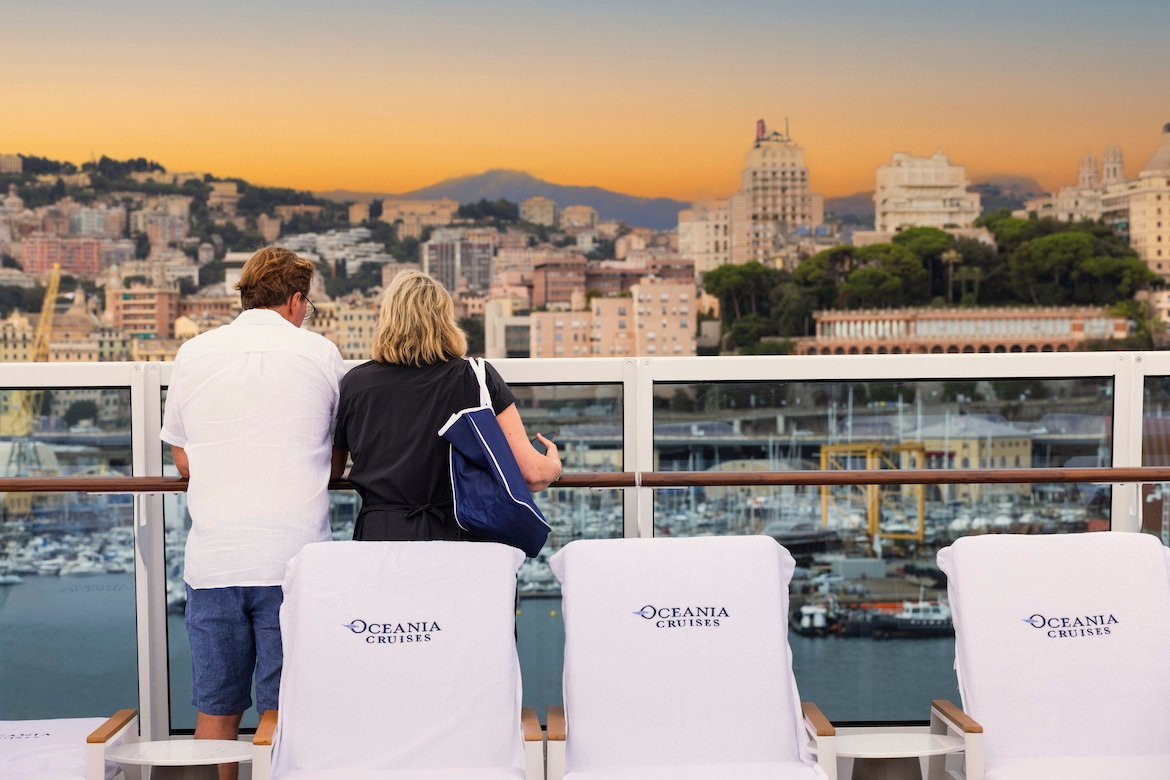
Oceania Cruises is positioning its fleet around a refined, adults-focused onboard experience. Photo: Oceania Cruises
Oceania Cruises has officially become an adults-only cruise line, a move that marks a significant shift in how the brand defines its onboard experience.
Effective immediately, all new reservations will be limited to guests aged 18 and over. Existing bookings that include minors will be honored, allowing for a gradual transition rather than an abrupt policy change.
A Strategic Shift Shaped by Guest Expectations
The decision reflects what Oceania describes as years of consistent guest feedback. The line’s core audience skews heavily toward travelers over 55, and its ships have never been designed with children or teens in mind. There are no kids’ clubs, youth programs, or family-focused entertainment, and the onboard atmosphere has long emphasized fine dining, cultural immersion, and unhurried exploration.
By adopting a formal adults-only policy, Oceania aims to clearly communicate what guests can expect before they book. According to company leadership, the change allows travel advisors and guests alike to better understand whether the product aligns with their travel preferences. Rather than trying to appeal to a broad demographic, the cruise line is doubling down on a calm, sophisticated environment where tranquility is a defining feature.
While many luxury and upper-premium cruise lines naturally attract fewer families, only a small number explicitly prohibit children. With this move, Oceania joins a limited group of adults-only brands that includes Viking and Virgin Voyages, both of which have successfully built strong identities around child-free cruising.
How the Policy Fits Into Oceania’s Broader Brand Evolution
The adults-only decision is part of a wider repositioning effort underway at Oceania Cruises. Over the past year, the line has rebranded itself more clearly as a luxury offering, moving away from the “upper-premium” label. It has also enhanced its fare structure by including perks such as alcohol packages or shore excursion credits, reinforcing the idea of a more seamless, inclusive experience.
Company executives emphasize that serenity and consistency are key drivers of guest loyalty. By standardizing the onboard environment across all itineraries, Oceania believes it can preserve the qualities that have earned it high satisfaction ratings, particularly for its dining, service, and destination-focused itineraries.
The policy will be especially relevant for the line’s future ships, including the upcoming Oceania Sonata, scheduled to debut in 2027. As bookings for that ship open, it will launch as adults-only from day one, embedding the new philosophy directly into its next generation of vessels.
It is also important to note that this change does not signal a broader shift across Oceania’s parent company. Norwegian Cruise Line Holdings operates multiple brands with distinct identities, and Regent Seven Seas Cruises will continue to welcome families and offer youth programming on select voyages.
By making a clear, guest-driven choice, Oceania Cruises is carving out a more defined space in the luxury cruise market. For travelers seeking a relaxed, adults-focused experience at sea, the new policy removes any ambiguity and reinforces what the brand has long been known for: understated elegance, thoughtful travel, and calm discovery.
Hawaiian Airlines has announced a five-year, $600 million investment program aimed at upgrading airport facilities across Hawaii, modernizing widebody aircraft, and enhancing digital services.
By Yuliya Karotkaya
Published:
Updated:
Renovations to airport gates and lobby areas across Hawaii are expected to continue through 2029. Photo: Hawaiian Airlines
Hawaiian Airlines has unveiled a sweeping $600 million investment plan designed to significantly improve the passenger experience both on the ground and in the air. Spanning five years, the initiative will focus on airport infrastructure across the Hawaiian Islands, major cabin upgrades to the airline’s widebody fleet, and technology improvements that aim to simplify travel from booking to arrival.
A major portion of the investment will go toward airport renovations at key locations, including Honolulu, Līhu‘e, Kahului, Kona, and Hilo. Hawaiian plans to refresh lobbies and gate areas with brighter, more open designs, improved seating, and expanded access to power outlets for personal devices.
These projects are scheduled to begin in stages starting in 2026 and continue through 2029, reflecting a long-term commitment to modernizing facilities used by both residents and visitors.
Airport Upgrades, Aircraft Retrofits, and Digital Transformation
At the airline’s main hub in Honolulu, the plan includes the construction of a new 10,600-square-foot premium lounge set to open in 2027. Located at the entrance of the Mauka Concourse in Terminal 1, the new space will become Hawaiian’s largest lounge at Daniel K. Inouye International Airport, complementing its existing facilities and catering to growing demand for premium ground experiences.
In the air, Hawaiian will begin a comprehensive retrofit of its 24 Airbus A330-200 aircraft starting in 2028. These widebody jets will receive entirely refreshed interiors, including new seating, updated lighting, modern carpeting, and enhanced inflight entertainment systems. Notably, the retrofit will introduce premium economy cabins and new first-class suites, marking a significant evolution in the airline’s long-haul product and aligning it more closely with global full-service standards.
Technology upgrades are expected to arrive sooner. Hawaiian plans to roll out updated versions of its mobile app and website in the near term, adding self-service features that allow travelers to manage bookings more easily, change flights, and redeem award travel on partner airlines. These digital improvements are intended to reduce friction during the travel process and give customers greater control over their journeys.
The full impact of these technology enhancements will be realized once Hawaiian completes its integration with Alaska Air Group, following Alaska’s acquisition of the carrier in 2024. Hawaiian is also expected to join the Oneworld alliance, further expanding connectivity and benefits for frequent travelers.
Taken together, the $600 million plan represents one of the largest investments in Hawaiian Airlines’ history, signaling a strategic push to modernize infrastructure, elevate onboard comfort, and strengthen Hawaii’s position as a competitive global travel destination.
Delta Air Lines has opened its first-ever non-airport lounge inside Sphere in Las Vegas, extending its Sky Club experience beyond the terminal and into live entertainment.
By Yuliya Karotkaya
Published:
Updated:
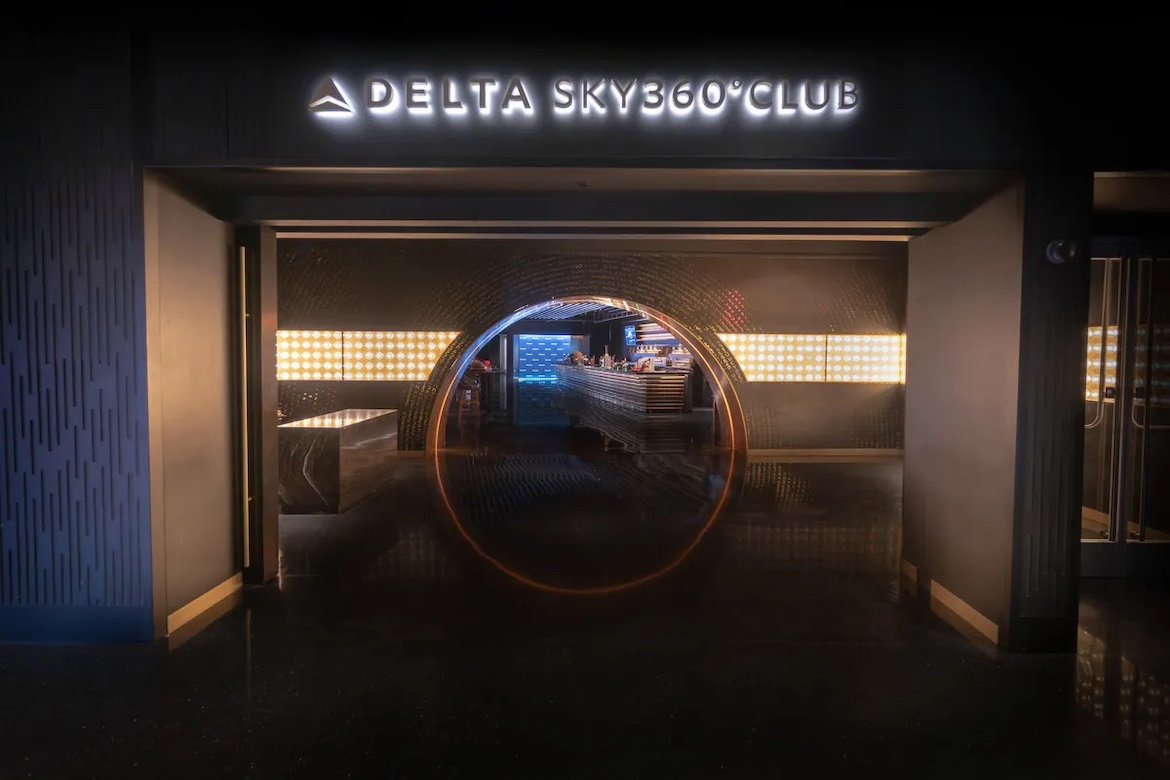
Delta expands its hospitality concept beyond the airport with a new branded lounge experience. Photo: Delta
Delta Air Lines has taken a significant step in redefining what an airline lounge can be, opening its first non-airport Sky Club inside Sphere in Las Vegas. The new Delta SKY360° Club marks a departure from the traditional airport-based lounge model, signaling a broader push by the airline to integrate travel, entertainment, and premium experiences under its SkyMiles loyalty program.
Located within Sphere, the futuristic entertainment venue known for its immersive concerts and large-scale visual productions, the lounge sits on the event level rather than behind airport security. It is the first branded hospitality space to open inside Sphere and is designed to serve SkyMiles members attending events at the venue. The move positions Delta not just as a transportation provider, but as an active participant in the moments travelers care about once they arrive at their destination.
A New Kind of Sky Club Experience
The SKY360° Club features an intimate, upscale design with leather banquettes, atmospheric lighting, and curated food and beverage offerings. Unlike traditional Sky Clubs, which focus on pre-flight comfort and productivity, this lounge is built around live entertainment. Access is tied directly to Sphere events, creating a seamless extension of the travel experience into the evening.
Rather than purchasing entry outright, SkyMiles members can use their miles to bid on exclusive packages that include event tickets and lounge access. These packages may also include shared suite seating, food and drinks during the show, and limited-edition commemorative gifts. Early offerings have already attracted strong interest, with bids reaching well into six-figure mileage territory, reflecting demand for experiential rewards rather than standard redemptions.
Delta describes the lounge as part of a wider partnership with Sphere, under which the airline becomes the venue’s official airline partner. The collaboration aligns with Delta’s broader strategy of enhancing loyalty through access-driven experiences, rather than simply expanding physical airport infrastructure. By placing its brand inside a landmark venue, Delta is testing how far airline hospitality can extend beyond the terminal.
The launch also reflects changing traveler expectations. Frequent flyers increasingly value memorable experiences as much as comfort and convenience. By linking SkyMiles directly to concerts and cultural events, Delta is positioning its loyalty program as a lifestyle platform rather than just a travel currency.
While the SKY360° Club is currently limited to Sphere events in Las Vegas, the concept opens the door to future non-airport lounges tied to sports, music, or cultural venues in other cities. For Delta, the move suggests a future where the airline’s relationship with passengers does not end at baggage claim, but continues wherever their journey takes them.
Oceania Cruises has revealed details of six suite categories aboard Oceania Sonata, highlighting larger accommodations and new layouts ahead of the ship’s 2027 debut.
By Yuliya Karotkaya
Published:
Updated:
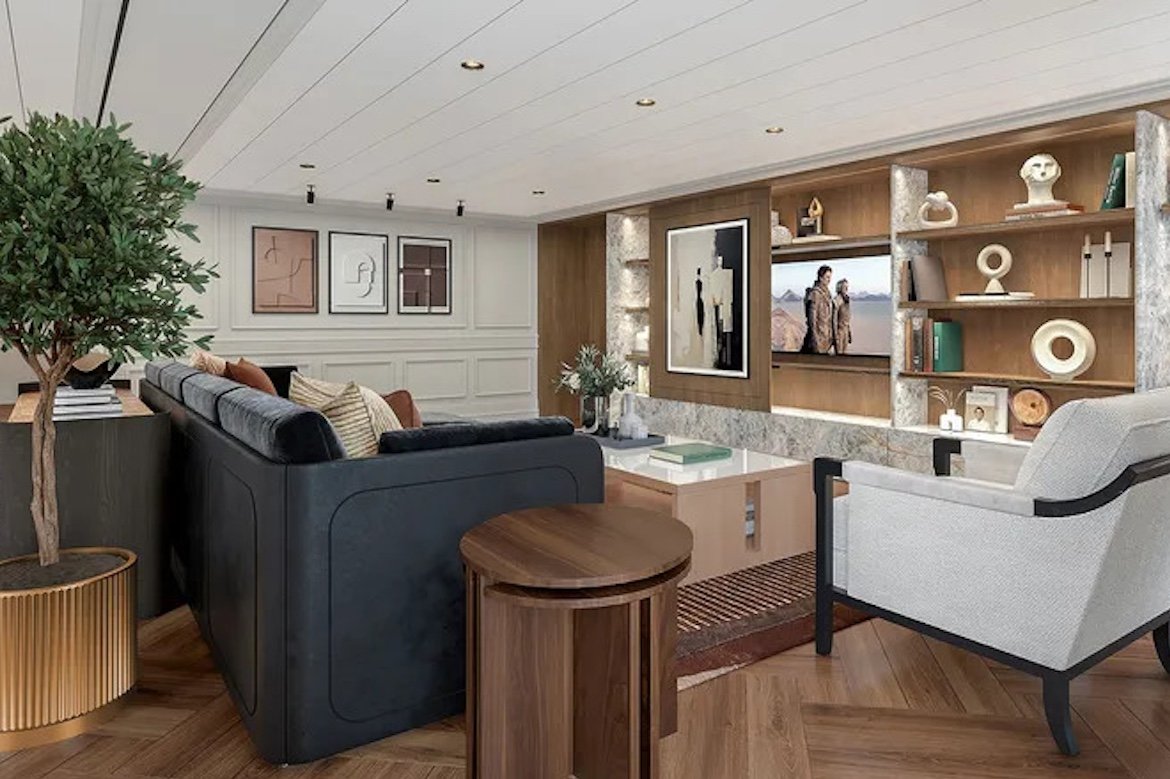
Oceania Sonata will feature an expanded suite collection designed around space, privacy, and refined comfort. Photo: Oceania Cruises
Oceania Cruises has shared new details about the accommodation concept aboard its upcoming ship, Oceania Sonata, set to debut in August 2027.
The reveal underscores a clear strategic direction for the brand: increasing ship size while prioritizing space, comfort, and suite-focused living rather than simply adding more passengers. With Oceania Sonata, suites will account for roughly one-third of all onboard accommodations, a notable increase compared to earlier ships in the fleet.
At 86,000 gross tons, Oceania Sonata will be significantly larger than the cruise line’s previous Allura-class vessels, yet guest capacity will grow at a much slower pace. This deliberate balance allows for wider corridors, more generous public spaces, and, most notably, larger and more diverse suite options. The ship’s inaugural itineraries are set to be announced in January 2027, with bookings opening shortly thereafter.
A New Benchmark with Owner’s and Vista Suites
The most striking addition to Oceania Sonata is the introduction of two-bedroom Owner’s Suites, a first for the cruise line. These expansive accommodations will be located on the aft corners of the ship and measure approximately 2,500 square feet each.
Designed for travelers seeking residential-style comfort at sea, the suites feature separate primary and guest bedrooms, each with its own bathroom. The primary bedroom includes a king-size bed and a marble-appointed bathroom, while the guest bedroom offers a queen-size bed and direct access to the private veranda through glass doors.
In addition to the Owner’s Suites, the ship will carry eight Vista Suites, slightly larger than those found on previous vessels. Ranging from roughly 1,500 to 1,900 square feet, these suites include dedicated living and dining areas, a bar, and expansive teak verandas. The bedroom layout emphasizes storage and comfort, with walk-in wardrobe space and spa-like bathrooms featuring soaking tubs.
Sixteen Oceania Suites will sit just below the Vista category in size, offering between 1,000 and 1,400 square feet of living space. These suites maintain the brand’s hallmark features, including king-size beds, marble bathrooms, and private verandas, while providing a more intimate alternative to the ship’s largest accommodations.
Horizon and Penthouse Suites Expand Choice
Oceania Sonata will also introduce two entirely new suite concepts designed to broaden guest choice. The Horizon Suites, positioned between the Penthouse and Oceania Suite categories, will offer more than 600 square feet of space. Each includes distinct living and sleeping areas, a walk-through wardrobe, and oversized verandas furnished for lounging, making them well suited for longer voyages.
Another debut is the Penthouse Deluxe Suite, offering approximately 488 square feet of space, about 60 square feet larger than the ship’s standard Penthouse Suites. These accommodations feature open living areas, floor-to-ceiling glass doors, and private verandas. Traditional Penthouse Suites will remain the most numerous category, providing a compact yet refined option with thoughtful layouts and outdoor space.
Together, these six suite categories reflect Oceania Cruises’ evolving approach to luxury at sea, where space, flexibility, and residential comfort play a central role. With Oceania Sonata, the brand is signaling that future growth will be defined less by scale and more by how guests live and relax onboard.
Sabre used CES 2026 to demonstrate how agentic AI could fundamentally change travel booking, shifting responsibility from travelers to intelligent systems embedded across the industry.
By Yuliya Karotkaya
Published:
Updated:
Sabre showcases how AI-powered technology is reshaping the way trips are planned and managed. Photo: Sabre
At CES 2026 in Las Vegas, Sabre made a clear statement about the future of travel planning: booking trips has become unnecessarily complex, and artificial intelligence should take responsibility for managing it.
Instead of travelers navigating endless filters, forms, and confirmations, Sabre is advancing a model where AI agents understand intent, make decisions, and execute bookings across the entire travel journey.
The company’s demonstrations focused on what it calls “agentic AI,” software designed not just to recommend options but to act on behalf of travelers. Rather than searching for flights or comparing hotels, users describe what they want to achieve.
The system then interprets constraints like budget, timing, loyalty preferences, and risk tolerance, turning those goals into confirmed itineraries that span flights, accommodations, and experiences. Sabre’s pitch is that travel technology should absorb complexity instead of pushing it onto the customer.
From Search Interfaces to Autonomous Travel Agents
Sabre’s CES showcase emphasized a major shift away from traditional interfaces. For decades, innovation in travel tech meant better search tools and more granular filters. Sabre now argues that these interfaces are part of the problem. If software truly understands traveler goals, users should not need to translate their intent into dropdown menus and checkboxes.
The demos highlighted everyday scenarios rather than futuristic edge cases. The AI planned short leisure trips around specific interests, handled business travel with tight schedules and cost controls, and responded to disruptions such as delays or cancellations.
When issues arose, the agent automatically rebooked flights, adjusted hotel stays, and preserved the overall trip structure without requiring manual intervention. This delegation-based model reflects a broader evolution in AI, moving from answering questions to taking responsibility for defined tasks.
Industry Infrastructure as the Competitive Advantage
A key reason Sabre believes it can deliver on this vision is its position within the global travel ecosystem. The company already provides core infrastructure connecting airlines, hotels, car rental companies, and travel agencies. By embedding AI directly into these systems, Sabre turns intelligence into something operational rather than theoretical. Access to live inventory, pricing, and rules allows AI agents to act in real time, not just make suggestions.
Importantly, Sabre does not envision itself as a consumer-facing brand in this future. Instead, its AI agents function as an intelligence layer that airlines, agencies, and corporate travel platforms can integrate into their own products. Travelers may never see Sabre’s name, but the technology could quietly reshape how trips are planned and managed across the industry.
The role of human travel agents also evolves in this model. Sabre positioned AI as handling routine decisions and rapid responses, while humans provide oversight, set rules, and step in for complex or sensitive cases. Transparency and explainability are central to building trust, with AI systems able to show why certain decisions were made and how trade-offs were evaluated.
If Sabre’s approach gains traction, travel planning may shift from browsing options to simply stating intentions. The result would be a travel experience orchestrated by intelligent systems that take responsibility from start to finish, changing how travelers, brands, and the industry itself operate.
Walt Disney World Resort is rolling out Cool Kids’ Summer with new family-focused entertainment, attraction updates, and seasonal hotel and ticket deals.
By Yuliya Karotkaya
Published:
Updated:
Kids enjoying summer activities at Walt Disney World Resort. Photo: Disney
Walt Disney World Resort is bringing back its family-focused Cool Kids’ Summer program, pairing new entertainment, refreshed attractions, and seasonal discounts aimed at making summer visits more engaging for younger guests.
Running from late May through early September, the initiative is designed to add playful, interactive experiences across all four theme parks while also offering tangible value through resort perks and promotional packages.
The summer lineup places a strong emphasis on character-led activities and kid-friendly storytelling. Families can expect new opportunities to interact with familiar faces through games, music, and live performances that encourage participation rather than passive viewing.
These experiences are spread across the resort, ensuring that each park offers its own distinct version of summer fun while maintaining a consistent, family-first theme.
Alongside these limited-time activities, several attractions are receiving updates that refresh classic rides without changing their core appeal, giving repeat visitors something new to look forward to.
Beyond entertainment, the summer season also marks the debut of several attraction enhancements timed to coincide with peak travel months. Select rides will feature updated technology, refreshed vehicles, or new story elements designed to modernize the experience while preserving their iconic status. In some cases, guests will be given more control over how their ride unfolds, adding a layer of personalization that aligns with Disney’s broader push toward interactive storytelling.
New Experiences and Seasonal Entertainment
Cool Kids’ Summer introduces a slate of temporary shows and themed takeovers that transform familiar spaces into lively hubs for children and families.
Interactive dance parties, craft-focused experiences, and character-driven performances are designed to be approachable for younger guests while still entertaining accompanying adults. These offerings are intentionally scheduled throughout the day, helping families pace their visits and avoid burnout during the hotter summer months.
The program also expands character availability, making it easier for families to encounter favorite characters during early park hours and select resort experiences. This approach spreads demand more evenly throughout the day and gives guests staying on property added incentive to take advantage of early access benefits. Select resorts will host exclusive activities, reinforcing the value of on-site stays during the summer season.
Resort Perks, Water Parks, and Summer Deals
In addition to in-park programming, Disney is layering in practical incentives aimed at boosting summer bookings. Guests staying at Disney resort hotels during the Cool Kids’ Summer window receive early park access each day, along with expanded character appearances during those early hours. A notable perk includes complimentary admission to one of Disney’s water parks on check-in day, offering a refreshing start to a summer vacation.
Disney has also introduced limited-time booking offers, including packages that bundle free room nights and theme park days with longer stays, as well as discounts of up to 30% on select resort hotels. These deals are structured to appeal to families planning extended summer trips while also encouraging travel during traditionally slower periods within the season.
Together, the return of Cool Kids’ Summer and the accompanying offers signal Disney’s intent to make summer travel more accessible, more interactive, and more appealing to families seeking both entertainment and value during peak vacation months.
American Airlines has begun introducing free inflight Wi-Fi for loyalty members, with most of its fleet expected to offer complimentary connectivity by spring 2026.
By Yuliya Karotkaya
Published:
Updated:
An American Airlines aircraft on the runway. Photo: Jake Hough / Unsplash
American Airlines has officially started rolling out free high-speed inflight Wi-Fi, a move that positions the carrier among a growing number of airlines treating onboard connectivity as a standard service rather than a paid extra. The phased rollout began in January 2026 and is expected to cover nearly the entire fleet by early spring, giving most passengers access to complimentary internet during their flights.
The first aircraft to receive the service are American’s narrowbody planes and dual-cabin regional jets, which make up the bulk of its domestic network. By the end of January, these aircraft are expected to be fully equipped, allowing millions of travelers to stay connected on short- and medium-haul routes. At the same time, American’s newest Boeing 787 deliveries are entering service with free Wi-Fi already installed, while the rest of the widebody fleet is scheduled to follow over the coming months.
Access to the free Wi-Fi is available to members of the airline’s AAdvantage loyalty program, which is free to join. Passengers log in using their frequent flyer credentials through the airline’s inflight portal and can connect without paying an additional fee. By linking connectivity to loyalty membership, American is strengthening its relationship with customers while keeping the service widely accessible, even for infrequent flyers.
The Wi-Fi service is powered by satellite connectivity providers Intelsat and Viasat and supported through sponsorship from AT&T. According to the airline, the system is designed to support high-speed use cases such as streaming, messaging, and remote work, reflecting how travelers increasingly expect to stay productive or entertained in the air. The inflight portal has also been updated to improve reliability and simplify the login process.
Once the rollout is complete, American says it will offer free Wi-Fi on more aircraft than any other airline worldwide. The claim highlights how competition among major carriers is shifting beyond fares and schedules toward onboard experience and digital convenience. Free connectivity has become especially important for business travelers, families, and younger passengers who view constant internet access as essential.
The Wi-Fi launch is part of a broader investment program at American Airlines that includes new business class suites, refreshed aircraft interiors, and expanded airport lounges. Together, these upgrades signal a focus on modernizing the travel experience and aligning it with evolving passenger expectations in an increasingly connected world.
Join our list to receive latest Blockchain, Crypto & Fintech news:
WordPress database error: [Table 'u752143311_aXVuj.wp_coingecko_coins' doesn't exist]
            SELECT coins.*, meta.post_id as post_id
            FROM `wp_coingecko_coins` coins
            INNER JOIN wp_postmeta meta ON (meta.meta_key = 'wpcf-coin-main-tag' AND meta.meta_value = coins.slug )
            ORDER BY market_cap_usd
            DESC LIMIT 9