Lifestyle hospitality group Ennismore is accelerating its growth in the Americas with three new hotel openings planned across Mexico, spanning urban hubs and a major beach destination.
By Yuliya Karotkaya
Published:
Updated:
Mexico City and Cancun anchor Ennismore’s latest expansion, highlighting the group’s push into lifestyle and all-inclusive hospitality in the Americas. Photo: Ennismore
Lifestyle hospitality group Ennismore is set to deepen its presence in the Americas with three hotel openings planned in Mexico later this year, reinforcing the country’s growing importance within the global lifestyle and leisure travel market.
The new properties will span two distinct segments: design-driven urban hotels in Mexico City and a large-scale all-inclusive resort in Cancun, reflecting Ennismore’s multi-brand strategy and its focus on experience-led hospitality.
Two of the openings are scheduled for mid-2026 in Mexico City, each targeting a different neighborhood and traveler profile. Hyde Mexico City Reforma will open along the iconic Paseo de la Reforma, positioning the brand in one of the capital’s most prominent corridors for business, culture, and tourism. The 106-room hotel is designed to blend contemporary style with social energy, featuring a Japanese restaurant called Niko and a cocktail-focused venue, Sun & Moon.
Guests will also have access to a gym and meeting rooms, aligning the property with both leisure travelers and professionals seeking lifestyle-driven accommodations in a central location.
Also launching mid-2026 is Mama Shelter Mexico City, a 100-room hotel set in the creative and nightlife-focused Roma Norte district. Known globally for its playful design and community-oriented spaces, Mama Shelter’s Mexico City debut will include a restaurant and bar, a courtyard with a performance stage, and a rooftop bar designed to serve as a social hub for both guests and locals.
The property will also offer meeting spaces, a gym, and private event facilities, underscoring the brand’s emphasis on social interaction, entertainment, and flexible use of space.
The third and largest opening will be Rixos Cancun, scheduled to debut by late 2026. The 345-room beachfront resort will mark the Rixos brand’s first entry into the Americas, expanding its all-inclusive concept beyond its established footprint in Europe, the Middle East, and Asia.
The resort will feature multiple dining venues, live entertainment, sports and fitness programming, a spa, and dedicated facilities for children and teenagers, positioning it squarely in the premium all-inclusive segment that continues to see strong demand.
These Mexico openings come during a period of rapid global growth for Ennismore, which operates as a joint venture with Accor and oversees a portfolio of 16 lifestyle and leisure brands. By combining urban lifestyle hotels with a large-scale resort offering, Ennismore is signaling its intent to capture multiple traveler segments while leveraging Mexico’s strength as both a cultural capital and a global beach destination.
Royal Caribbean has canceled all visits to its private destination in Labadee, Haiti, through the end of 2026, citing ongoing security risks and shifting affected itineraries to alternative Caribbean ports.
By Yuliya Karotkaya
Published:
Royal Caribbean extends its Labadee suspension through 2026, underscoring how security concerns in Haiti are reshaping Caribbean cruise itineraries. Photo: Jono Hirst / Unsplash
Royal Caribbean has confirmed that it will not resume cruise ship visits to Labadee, its private destination in Haiti, through the end of 2026, significantly extending a pause that has already been in place for much of the past two years.
The decision reflects the cruise line’s continued caution as security conditions in Haiti remain unstable, with escalating violence and persistent travel warnings issued by U.S. authorities.
The cruise line said the move was made “out of an abundance of caution” and that guests booked on affected sailings have already been notified directly. Royal Caribbean had previously planned to resume visits to Labadee after April 2026, but the updated timeline pushes any potential return back by at least another eight months.
Haiti is currently listed under a Level 4 “Do Not Travel” advisory by the U.S. State Department, its highest warning level, due to kidnapping risks, violent crime, civil unrest, and limited access to health care.
Royal Caribbean ships last called at Labadee during the first quarter of 2025, following an earlier suspension in 2024. Since then, worsening conditions in the country have prompted repeated reassessments of the port’s viability, ultimately leading to the decision to keep Labadee off itineraries through the entirety of 2026.
Impact on Itineraries and the Caribbean Cruise Market
Labadee has long been a distinctive feature of Royal Caribbean’s Caribbean itineraries. The cruise line leases the coastal enclave, which operates separately from the surrounding communities and includes private beaches, water activities, a zip line, cabanas, and a dedicated security presence. Despite its controlled environment, Royal Caribbean has emphasized that broader instability in Haiti makes continued operations untenable at this time.
As the only major cruise operator that calls on Haiti, Royal Caribbean now faces the task of reshaping itineraries that once relied on Labadee as a marquee stop. Travel advisors have been provided with alternative port options, including Nassau in the Bahamas, Grand Turk in the Turks and Caicos Islands, and Cozumel in Mexico. These destinations offer established infrastructure and a sense of familiarity for travelers seeking reassurance amid ongoing regional uncertainties.
The extended suspension also highlights a broader trend in the cruise industry, where geopolitical and security developments increasingly influence route planning. Cruise lines are under pressure to balance unique destination offerings with the expectation of safety and predictability from passengers. In the Caribbean, where itineraries are often planned years in advance, prolonged disruptions can have ripple effects across deployment strategies and port partnerships.
For Haiti, the absence of cruise calls further underscores the severe impact of instability on tourism-related economic activity. While Labadee operates as a largely self-contained destination, its closure still symbolizes the country’s growing isolation from international leisure travel.
For Royal Caribbean, the decision reinforces a cautious approach that prioritizes guest and crew well-being, even if it means sidelining one of its most distinctive private destinations for an extended period. Any return to Labadee, the company has indicated, will depend on meaningful improvements in safety and security conditions.
BTS’s massive 2026–2027 comeback tour is shaping up to be one of the most powerful drivers of international travel, turning concert dates into global tourism events.
By Yuliya Karotkaya
Published:
Updated:
Goyang, South Korea, opens the BTS world tour as fan-driven travel turns concert destinations into major international tourism hotspots. Photo: Andy Song / Pexels
The long-awaited return of BTS is not just a milestone for global pop music but a defining moment for international tourism. With the announcement of a 79-date world tour spanning Asia, Europe, North America, Latin America, and Australia, the group’s comeback is already being viewed by travel analysts as a large-scale test case for how live entertainment can move people across borders.
For millions of fans, known collectively as ARMY, the tour is more than a series of concerts – it is a global travel itinerary that will drive flights, hotel bookings, and visitor spending across dozens of cities.
The scale of the tour dwarfs BTS’s previous outings. Their 2019 stadium tour ran for 42 shows and drew roughly 1.6 million attendees worldwide. This new tour nearly doubles that footprint and coincides with the release of a new studio album in March, intensifying demand.
Industry estimates suggest the comeback could generate more than $1 billion in combined revenue from ticket sales, merchandise, licensing, and streaming, with a significant share of the economic impact flowing directly into host destinations.
Concert Tours as Engines of Global Tourism
Major music tours have increasingly become catalysts for international travel, and BTS represents one of the clearest examples of this shift. Fans frequently plan trips around concert dates, often extending stays to explore destinations beyond the event itself. Cities hosting multiple shows are likely to see particularly strong gains, as fans arrive early or stay longer to secure tickets and experience local culture.
The tour’s geographic spread amplifies its tourism impact. Stops range from Seoul, Tokyo, London, and Paris to Mexico City, Bogotá, São Paulo, and Sydney, connecting markets that are rarely activated at this scale by a single entertainment event. The use of 360-degree, in-the-round stages allows for more seating per venue, increasing attendance and intensifying pressure on local accommodation and transport infrastructure.
For destinations still rebuilding international visitor numbers after years of disruption, the timing is significant. Large-scale fan travel linked to concerts has proven resilient to economic uncertainty, with audiences prioritizing once-in-a-decade experiences over discretionary spending. In this context, BTS’s return functions as a demand driver for airlines, hotels, restaurants, and tour operators across multiple continents.
Cities Prepare for Fan-Driven Travel Demand
The tourism impact is already being felt in planning cycles. Travel advisors and hospitality providers are preparing for surges similar to those seen during Taylor Swift’s Eras Tour and other major reunion tours, where hotel rates spiked and flight capacity tightened around concert dates. For some fans, this will be their first chance to see BTS live in seven years, adding emotional weight that further encourages long-haul travel.
Beyond immediate economic gains, destinations benefit from long-term visibility. Social media amplification, repeat visits, and destination branding tied to global pop culture can extend the value of tour-driven tourism well beyond the concert nights themselves. For cities competing for global attention, hosting BTS is as much about image as it is about arrivals.
BTS World Tour 2026–2027: Dates So Far
2026
April 9, April 11–12 — Goyang, South Korea
April 17–18 — Tokyo, Japan
April 25–26 — Tampa, USA
May 2–3 — El Paso, USA
May 7, May 9–10 — Mexico City, Mexico
May 16–17 — Stanford, USA
May 23–24, May 27 — Las Vegas, USA
June 12–13 — Busan, South Korea
June 26–27 — Madrid, Spain
July 1–2 — Brussels, Belgium
July 6–7 — London, United Kingdom
July 11–12 — Munich, Germany
July 17–18 — Paris, France
August 1–2 — East Rutherford, USA
August 5–6 — Foxborough, USA
August 10–11 — Baltimore, USA
August 15–16 — Arlington, USA
August 22–23 — Toronto, Canada
August 27–28 — Chicago, USA
September 1–2, September 5–6 — Los Angeles, USA
October 2–3 — Bogotá, Colombia
October 9–10 — Lima, Peru
October 16–17 — Santiago, Chile
October 23–24 — Buenos Aires, Argentina
October 28, October 30–31 — São Paulo, Brazil
November 19, November 21–22 — Kaohsiung, Taiwan
December 3, December 5–6 — Bangkok, Thailand
December 12–13 — Kuala Lumpur, Malaysia
December 17, December 19–20, December 22 — Singapore
December 26–27 — Jakarta, Indonesia
2027
February 12–13 — Melbourne, Australia
February 20–21 — Sydney, Australia
March 4, March 6–7 — Hong Kong
March 13–14 — Manila, Philippines
Lufthansa Group will begin offering free high-speed WiFi powered by Starlink, marking a major upgrade to in-flight connectivity across its airlines and fleet.
By Yuliya Karotkaya
Published:
Updated:
Lufthansa free WiFi rollout signals a major shift in in-flight connectivity, bringing Starlink-powered internet to passengers across Europe’s largest airline group. Photo: Lufthansa Group
Lufthansa Group is preparing to significantly upgrade the in-flight experience for millions of passengers by rolling out free high-speed WiFi across its airlines, powered by Starlink satellite technology. The initiative, which begins in the second half of the year, positions the group as Europe’s largest airline operator to adopt next-generation broadband internet across an entire fleet.
The free WiFi service will be available to all passengers with status in the Lufthansa Group’s Miles & More frequent flyer program, as well as to Miles & More members who enroll in the group’s digital Travel ID system. Travel ID allows customers to securely store personal details, payment information, and travel documents under a single login that works across all Lufthansa Group airlines, streamlining the travel process from booking to boarding.
The new connectivity offering will be introduced as Lufthansa Group retrofits its aircraft with Starlink equipment. The group operates a fleet of approximately 850 aircraft across its various brands, and the goal is to have every plane equipped with Starlink technology by 2029. The rollout will cover both existing aircraft and new deliveries, ensuring consistent connectivity standards across the fleet.
Starlink’s satellite-based system is designed to deliver significantly higher speeds and bandwidth than traditional in-flight WiFi solutions. For passengers, this means the ability to stream video, work on cloud-based applications, and browse the internet with performance comparable to ground-based connections. The service will be available in all travel classes, reinforcing Lufthansa Group’s broader strategy of enhancing premium elements throughout the passenger journey.
The investment comes as airlines increasingly view connectivity as a core part of the onboard experience rather than an optional add-on. Lufthansa Group executives have emphasized that reliable internet access has become a key expectation for modern travelers, particularly on longer routes where passengers want to remain productive or entertained throughout the flight.
The Starlink partnership spans all Lufthansa Group carriers, including Lufthansa, Swiss, Austrian Airlines, Brussels Airlines, ITA Airways, Air Dolomiti, Edelweiss, Discover Airlines, and the group’s regional operations. By standardizing connectivity across brands, the group aims to deliver a more consistent experience regardless of which airline or aircraft passengers fly.
The WiFi rollout is part of a wider program of investment tied to Lufthansa Group’s fleet modernization and service upgrades. As competition intensifies across European and global aviation markets, the move underscores the group’s focus on technology-driven improvements that enhance passenger satisfaction while reinforcing loyalty among frequent flyers.
Trafalgar will enter France’s river cruise market in 2027 with a new Seine itinerary, adding a third ship to its growing fleet and tapping into rising demand for immersive river travel.
By Yuliya Karotkaya
Published:
Updated:
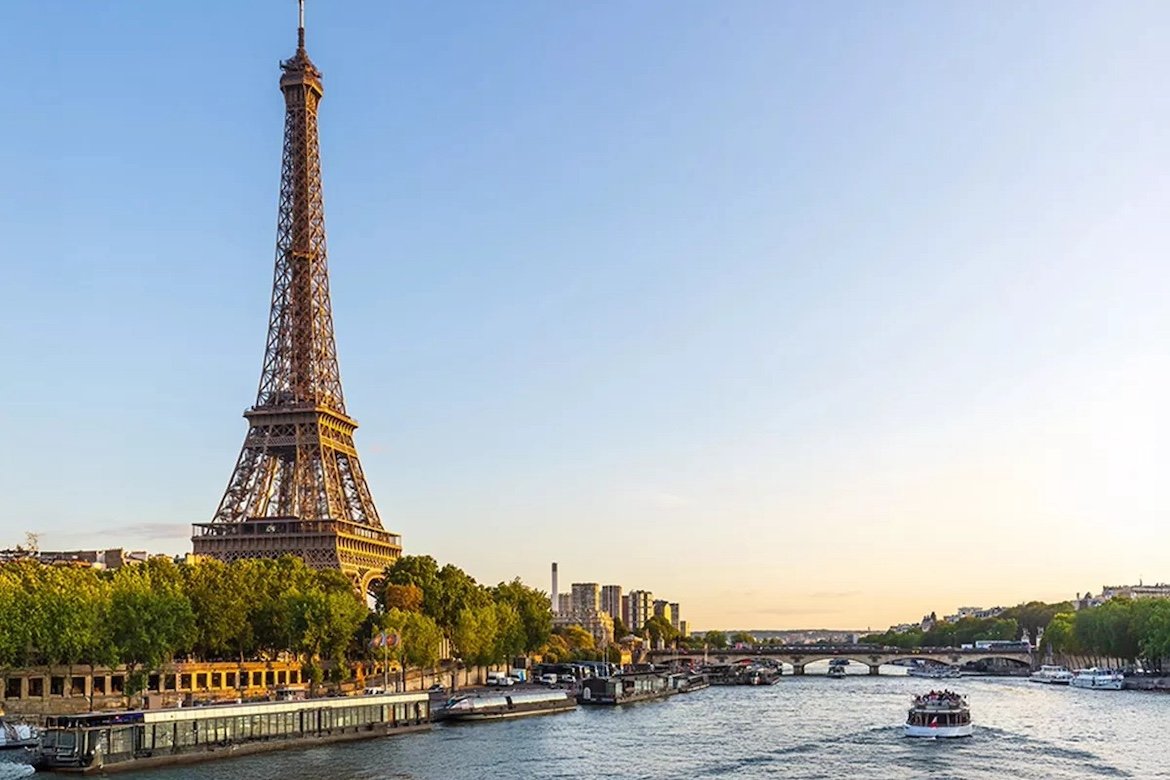
Trafalgar Seine river cruises debut in 2027, marking the tour operator’s expansion into France with immersive Paris and Normandy river itineraries. Photo: Trafalgar
Trafalgar is accelerating its expansion into river cruising, announcing plans to begin sailing the Seine in France in 2027 as it adds a third vessel to its growing fleet.
The move signals a strategic push into one of Europe’s most iconic waterways and reflects rising demand for French river itineraries, particularly in the post-Olympics travel landscape.
The Seine launch follows Trafalgar’s entry into river cruising, which begins this year with two ships operating on Central Europe’s most established routes. By April 2027, the new Trafalgar Harmonie will join the lineup, offering an eight-day itinerary that connects Paris with the historic and scenic landscapes of Normandy.
The company positions the Seine as a natural next step, combining cultural depth, strong name recognition and year-round appeal among international travelers.
A New Seine Itinerary Anchored in Paris and Normandy
The Trafalgar Harmonie will accommodate 126 guests and operate with a three-to-one guest-to-staff ratio, reinforcing the brand’s emphasis on personalized service. The ship will feature seven cabin categories, with all staterooms offering river views.
Interiors are designed around soft blues, greens and earth tones, creating a calm, residential atmosphere aligned with the pace of river travel.
Onboard experiences will highlight French culinary traditions, while shore programming focuses on Trafalgar’s signature guided storytelling and locally rooted encounters. Guests will explore Paris through curated experiences that include a Make Travel Matter program centered on historic preservation and sustainable urban planning.
In Normandy, the itinerary features visits with local families at cider farms, along with excursions to Monet’s gardens in Giverny and the region’s World War II landing beaches.
The Seine itinerary is also designed to integrate seamlessly with Trafalgar’s existing land tours in France, allowing travelers to combine river cruising with escorted road journeys for longer, more comprehensive trips. Optional pre- and post-cruise extensions in Paris and London further broaden the appeal for long-haul travelers seeking multi-destination itineraries.
While Trafalgar has not disclosed sourcing details for the Harmonie, its first two river ships are chartered from sister brand Uniworld Boutique River Cruises, both part of The Travel Corporation. Leveraging Uniworld’s operational expertise allows Trafalgar to scale its river cruise ambitions while maintaining its distinct brand identity.
With France consistently ranking among travelers’ top destinations and river cruising demand continuing to grow, Trafalgar’s Seine debut positions the company to compete more directly in the premium guided river cruise segment, offering a blend of familiarity, cultural immersion and operational simplicity.
Donald Trump’s return to the White House is reshaping international travel patterns, with political rhetoric, security concerns and foreign policy tensions influencing where – and whether – travelers choose to go.
By Yuliya Karotkaya
Published:
Updated:
Trump international travel impact in 2026, as US politics and foreign policy reshape global tourism decisions and traveler confidence. Photo: The White House
International travel has always been sensitive to politics, but rarely has the link been as visible or as immediate as it has been since Donald Trump returned to the White House in January 2025.
What was meant to be a landmark year for global tourism – with the United States celebrating the centenary of Route 66, the 250th anniversary of its independence and co-hosting the FIFA World Cup – has instead become a case study in how political rhetoric, security policy and foreign relations can reshape travel flows far beyond national borders.
Hotels, airlines and destination marketers entered 2026 expecting a surge in inbound travel to the US. Instead, the past year has delivered tariffs against allies, repeated threats to annex Canada, the detention of foreign tourists at US borders, mass deportations and proposals to screen visitors’ social media accounts.
Together, these moves have altered not only how travellers view the US, but how they assess risk across an expanding list of destinations touched by Trump’s foreign policy.
The United States: From Bucket-List Destination to Perceived Risk
For many international travellers, visiting the United States has shifted from an aspirational experience to a decision freighted with political and personal calculation. Industry surveys show nearly half of prospective visitors now say they are less likely to travel to the country under Trump’s leadership.
That shift has had tangible economic consequences. According to the World Travel & Tourism Council, the US was projected to lose $12.5 billion in international visitor spending in 2025 – making it the only country among 184 economies analysed to register a decline.
The reasons go beyond ideology. High-profile cases of tourists being detained at the border, coupled with uncertainty around entry requirements and enforcement practices, have created a perception of unpredictability.
For some travellers, a US trip now feels like a political statement; for others, it represents a financial and logistical gamble. Airlines and tour operators report softer demand from Europe, Latin America and parts of Asia, even as global travel elsewhere continues to rebound.
This erosion of confidence is particularly striking given the scale of events planned in the US. Major anniversaries and the World Cup would typically guarantee packed flights and full hotels. Instead, they are unfolding against a backdrop of caution, with travellers increasingly weighing whether the potential rewards outweigh the perceived risks.
Ripple Effects: When Foreign Policy Shapes Other Destinations
Trump’s influence on travel decisions is no longer confined to the US. In early 2026, American airstrikes in Caracas and the capture of Venezuela’s president, Nicolás Maduro, sent shockwaves through the travel industry.
Renewed discussions about acquiring Greenland, alongside threats directed at Cuba, Iran, Colombia and Mexico, have extended uncertainty across multiple regions.
Some travellers are now second-guessing trips to places that, while not directly affected, are caught up in US rhetoric. Prospective visitors to Greenland, for example, say Trump’s language about taking control of the island has made them more cautious, even though no formal travel restrictions are in place.
In Cuba, tour operators report immediate concern following US statements portraying the country as unstable, with travellers delaying or reconsidering bookings.
Elsewhere, the impact has been uneven. Some Latin American operators note that, so far, bookings to Colombia and Mexico have held steady despite sharp warnings from Washington.
This suggests that while political noise matters, travellers also differentiate between rhetoric and on-the-ground realities – at least until official advisories change.
Travel Advice, Insurance and the Business of Uncertainty
For the travel industry, perception quickly becomes policy. Tour operators and travel agents are bound by government advisories, which carry legal and financial weight.
In the UK, for example, companies will not sell trips to destinations flagged as unsafe by the Foreign Office. Once such advice is issued, standard travel insurance typically becomes invalid.
That reality places enormous power in official warnings. As Sean Tipton of the Association of British Travel Agents notes, the line is clear: once governments advise against travel, commercial tourism stops. Independent travellers may still go, but they do so without the safety net of insurance or organised support.
The result is a global travel environment shaped as much by perception and politics as by infrastructure or attractions. Tourism thrives on stability, confidence and predictability – qualities currently in short supply in regions drawn into Trump’s geopolitical orbit.
As 2026 unfolds, the lesson for the travel industry is stark. Political decisions made in Washington are not only redefining America’s image abroad, but influencing how travellers assess risk worldwide. In an interconnected tourism economy, the consequences of that shift are proving far-reaching – and potentially long-lasting.
A new Cirium report reveals which airlines and airports delivered the strongest on-time performance in 2025, despite global disruption, airspace constraints, and operational pressure.
By Yuliya Karotkaya
Published:
Cirium’s 2025 rankings highlight the world’s most punctual airlines and airports, showcasing operational resilience and reliability across global aviation. Photo: Jeffry Surianto / Pexels
Air travel in 2025 unfolded under mounting pressure. Staffing shortages, volatile weather patterns, airspace restrictions tied to geopolitical tensions, and aging infrastructure all tested the industry’s ability to stay on schedule.
With nearly 39 million flights operating globally, punctuality became less about isolated performance and more about long-term operational resilience. Cirium’s annual On-Time Performance Review for 2025 reflects this shift, recognizing airlines and airports that consistently delivered reliability even as disruption became part of daily operations.
Cirium defines an on-time flight as one departing or arriving within 15 minutes of schedule. However, its top awards go further, factoring in schedule execution, recovery capability, and overall operational control across a full calendar year.
Airports That Set the Global Standard
Istanbul Airport emerged as the Platinum Winner among airports in 2025, recognized for its ability to manage massive scale without sacrificing consistency. Serving more than 84 million passengers annually and connecting over 330 destinations, the airport strengthened its operational backbone with Europe’s first triple independent runway system, boosting hourly movements while maintaining control.
Latin America dominated the category rankings based purely on punctuality metrics. Santiago Arturo Merino Benítez International Airport led large airports globally, supported by its expanded Terminal 2, which significantly increased capacity and streamlined passenger flow.
In the medium airport category, Panama City Tocumen International Airport stood out for its hub efficiency, while Guayaquil José Joaquín de Olmedo International Airport topped the small airport rankings.
Large Airport: Santiago Arturo Merino Benitez International Airport (SCL)
Medium Airport: Panama City Tocumen International Airport (PTY)
Small Airport: Guayaquil Jose Joaquin de Olmedo International Airport (GYE)
Airlines Leading on Reliability
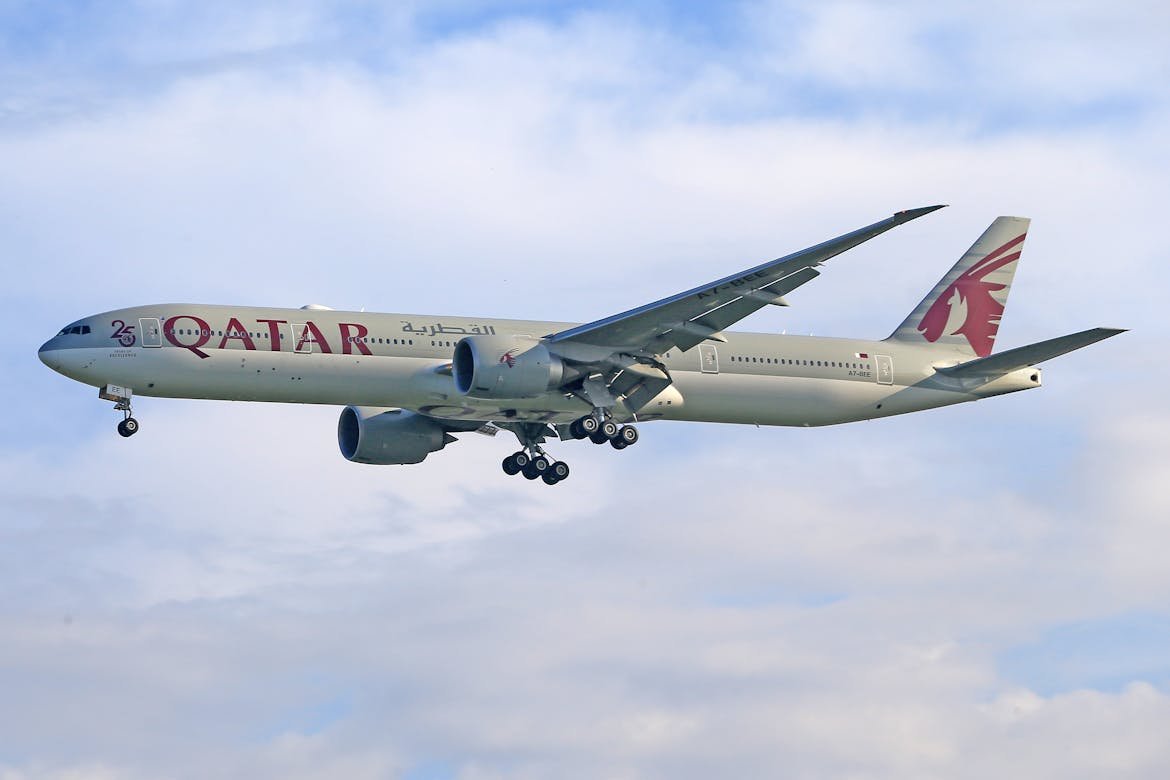
Among airlines, Qatar Airways earned Cirium’s Platinum Winner title, reflecting not just strong punctuality but also exceptional recovery during irregular operations. The carrier successfully protected critical connections and adjusted routes in real time despite airspace constraints and fleet availability challenges.
On pure on-time performance, Aeroméxico retained its position as the world’s most punctual airline for the second year in a row, with more than 90% of flights arriving on schedule. Regional leaders included Philippine Airlines in Asia-Pacific and Iberia Express in Europe, which held its top regional ranking for a third consecutive year.
In North America, Delta Air Lines once again led the region, delivering strong punctuality while operating the highest flight volume globally. Cirium highlighted Delta’s performance as particularly notable given widespread air traffic control disruptions and the prolonged U.S. government shutdown. Meanwhile, FlySafair topped the Middle East and Africa category, and Virgin Atlantic was named the Most Improved Airline of 2025 after a sharp year-over-year performance gain.
Together, the 2025 results underline a clear message: punctuality today is a measure of systemic strength. Airlines and airports that invest in operational flexibility, data-driven decision-making, and recovery planning are best positioned to deliver reliability in an increasingly unpredictable global aviation landscape.
Morocco and Egypt emerged as Africa’s top travel destinations in 2025, setting new tourism records as air connectivity, cultural investments, and global events fueled visitor growth.
By Yuliya Karotkaya
Published:
Updated:
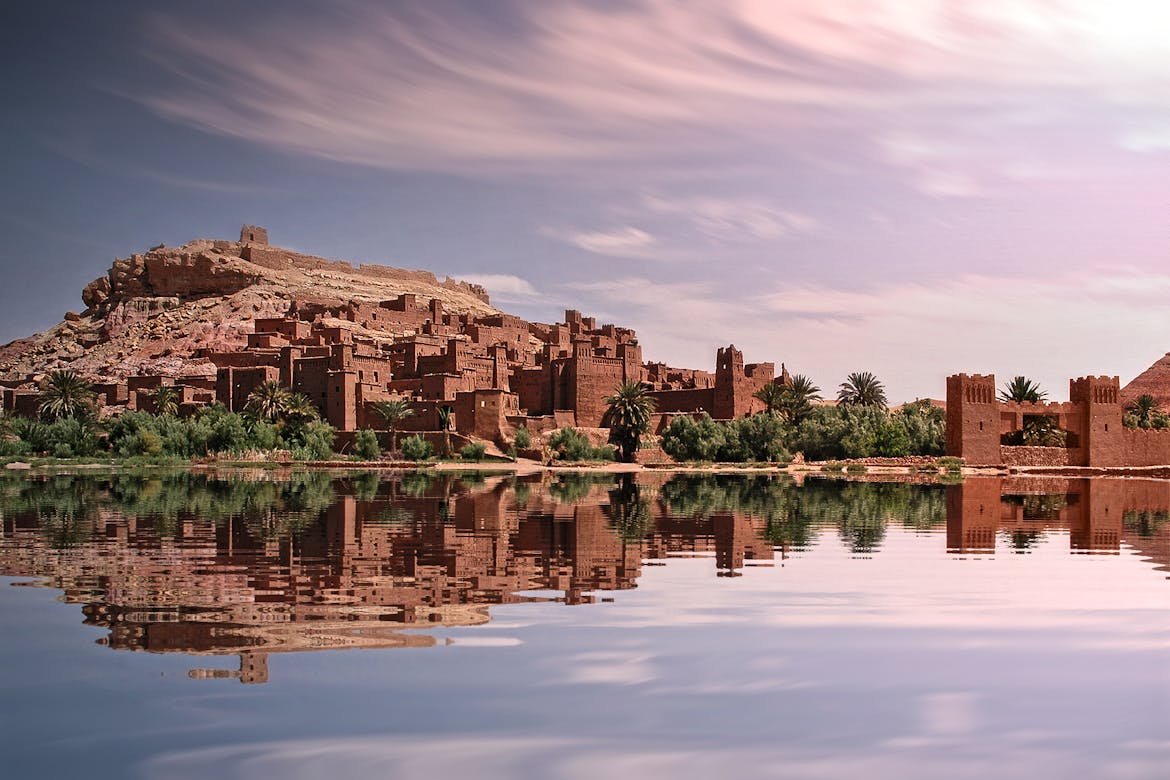
Morocco and Egypt lead Africa’s tourism boom in 2025, as record visitor numbers highlight the impact of air connectivity, culture, and major global events. Photo: Moussa Idrissi / Pexels
Tourism across North Africa reached a new milestone in 2025, with Morocco and Egypt firmly establishing themselves as the continent’s most visited countries. Both destinations posted record-breaking arrival numbers, underscoring a powerful rebound from the pandemic era and reflecting years of investment in aviation, infrastructure, and cultural attractions.
While tourism performance varies widely across Africa, data from international tourism bodies consistently shows Morocco and Egypt far ahead of other destinations, driven by their global visibility, accessibility, and ability to host large-scale events.
Together, the two countries welcomed nearly 39 million international visitors in 2025, setting a new benchmark for African tourism. Expanded flight networks, landmark cultural openings, and strong government-backed strategies helped push arrivals to historic highs, with both governments now setting even more ambitious targets for the years ahead.
Morocco: Connectivity, Football, and Long-Term Ambitions
Morocco reported approximately 19.8 million tourist arrivals in 2025, a 14% increase compared to the previous year. Visitor numbers are now around 50% higher than pre-pandemic levels, highlighting the sector’s resilience and growing global appeal. Tourism contributes roughly 8% of Morocco’s economy, making it one of the country’s most important industries.
Air connectivity has been a central driver of growth. Royal Air Maroc expanded routes across Europe while strengthening long-haul links to the United States and China. The airline’s long-term plan to quadruple its fleet by 2038 signals confidence in sustained demand. Low-cost carriers, particularly Ryanair, also expanded their presence, opening Morocco to a broader range of travelers.
Major sporting events added further momentum. The Africa Cup of Nations, which began in December, brought tens of thousands of football fans to the country. Moroccan airports handled a record 36.3 million passengers in 2025, with Casablanca and Marrakech leading the surge.
Looking ahead, Morocco aims to attract 26 million visitors annually by 2030, when it will co-host the FIFA World Cup alongside Spain and Portugal.
Egypt: Culture-Led Growth and Rising Capacity Pressure
Egypt recorded 19 million tourist arrivals in 2025, marking a 21% year-on-year increase and placing it just behind Morocco. The strong performance came despite regional instability, underscoring Egypt’s enduring appeal as a global cultural destination.
A key catalyst was the opening of the Grand Egyptian Museum near the Pyramids of Giza. The $1 billion project has drawn global attention and large crowds, reinforcing Egypt’s position as one of the world’s most important heritage destinations. Demand has been so strong that hotel occupancy reached full capacity in some locations.
Egypt’s tourism authorities have set targets of more than 20 million visitors in 2026 and 30 million by 2031. Meeting those goals will require continued investment in hotels, transport infrastructure, and visitor services. Even so, Egypt’s 2025 performance confirms its role as a cornerstone of African tourism and a key driver of travel growth across the region.
DarGlobal has announced plans for two Trump-branded luxury developments in Saudi Arabia, signaling a major expansion of high-end real estate tied to the kingdom’s Vision 2030 strategy.
By Yuliya Karotkaya
Published:
Updated:
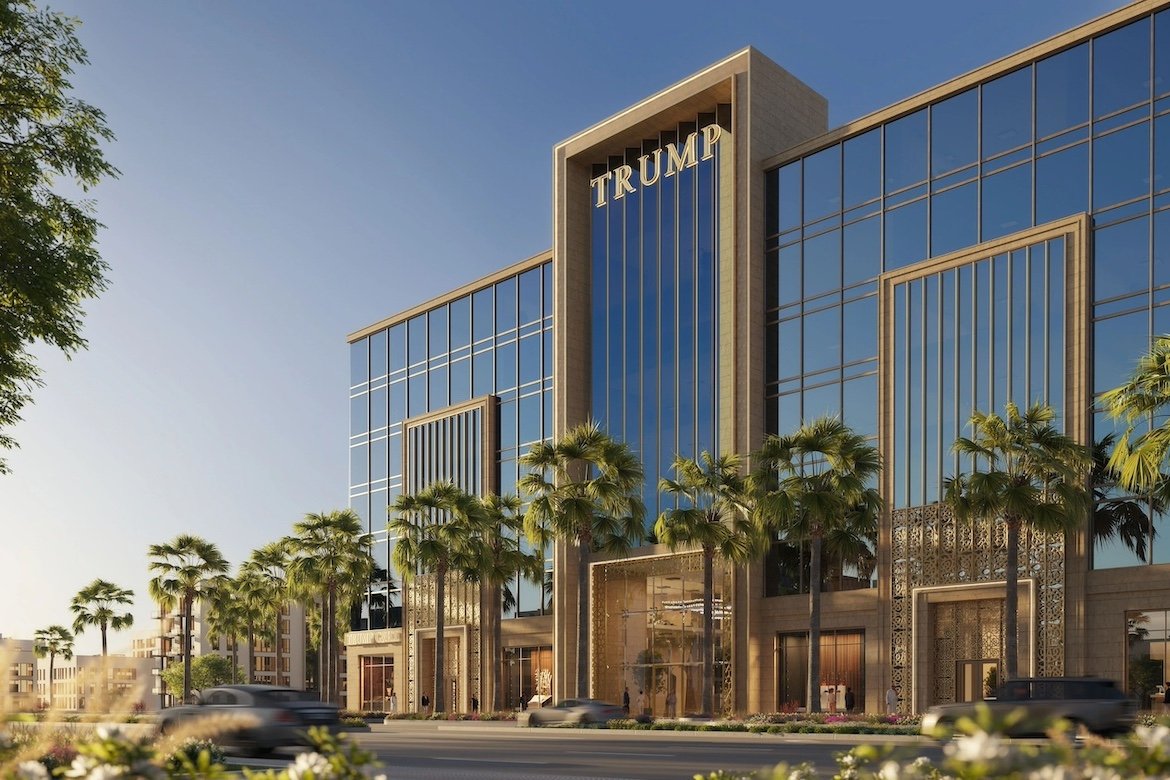
DarGlobal’s latest announcement highlights the growing role of global luxury brands in Saudi Arabia’s real estate transformation. Photo: DarGlobal
DarGlobal has announced plans to develop two major Trump-branded luxury projects in Saudi Arabia with a combined value of $10 billion, marking a significant expansion of high-end real estate in the kingdom.
The London-listed luxury real estate developer said the projects will be built in Riyadh and Jeddah and form part of its ongoing partnership with Trump Organization. The announcement underscores Saudi Arabia’s ambition to attract global brands and foreign investment as it reshapes its economy beyond oil.
The developments are being positioned as flagship lifestyle destinations, blending hospitality, residential living, and leisure amenities. DarGlobal’s leadership described the projects as aligned with Saudi Arabia’s long-term urban and tourism strategy, which aims to elevate the kingdom’s global profile while creating new economic engines.
Riyadh and Jeddah Projects Take Shape
In Riyadh, DarGlobal plans to build a Trump International Hotel alongside a Trump National Golf Course in Diriyah, a historically significant area undergoing one of the country’s most ambitious redevelopment programs. Diriyah is a cornerstone of state-backed urban transformation and is expected to become a major cultural and lifestyle hub near the capital. The addition of a luxury hotel and championship golf course is designed to attract international visitors and affluent residents seeking premium experiences.
In Jeddah, the company is planning a mixed-use development branded as Trump Plaza. The project will include luxury residences and office spaces, catering to demand for upscale urban living in one of Saudi Arabia’s most prominent commercial and coastal cities. Jeddah has long served as a gateway to the kingdom, and the new development is intended to reinforce its position as a center for business and high-end real estate.
According to DarGlobal, construction across the Saudi projects is expected to take four to five years once fully underway. The company said the developments will support job creation, tourism growth, and the expansion of the kingdom’s luxury property market.
Regional Expansion Across the Gulf
The Saudi announcement follows recent progress on another Trump-branded development in the Gulf. DarGlobal has awarded enabling works contracts for the Trump International Hotel & Tower in Dubai, a high-profile project set to rise along Sheikh Zayed Road at the entrance to Downtown Dubai. The tower is planned as an 80-story landmark combining a luxury hotel, branded residences, and a private members-only club.
DarGlobal said its Gulf projects reflect strong investor appetite for premium hospitality and residential offerings in the region. The company is the international arm of Saudi developer Dar Al Arkan and has focused heavily on partnerships with globally recognized brands to differentiate its portfolio.
Executives involved in the projects emphasized that Saudi Arabia’s recent policy changes, including allowing foreign ownership in designated areas, are accelerating interest from international buyers and developers. As Vision 2030 continues to drive large-scale urban and tourism initiatives, Trump-branded developments in Riyadh and Jeddah are being positioned as symbols of the kingdom’s push toward global luxury standards.
The latest Henley Passport Index reveals which nationalities offer the greatest travel freedom in 2026, highlighting shifting global mobility and diplomatic influence.
By Yuliya Karotkaya
Published:
Updated:
Singapore leads the world’s most powerful passports for 2026 as travel freedom increasingly reflects diplomacy and global stability. Photo: Christian Alemu / Pexels
Global travel freedom in 2026 continues to be shaped by diplomacy, economic stability, and international trust, according to the latest edition of the Henley Passport Index. The annual ranking measures how many destinations passport holders can access without a visa, offering a clear snapshot of mobility privilege around the world.
Last year’s index already signaled a shift toward Asia’s growing dominance and a gradual erosion of mobility for some Western passports – trends that not only persist in 2026 but have become even more pronounced.
This year’s results reinforce those longer-term patterns, showing how sustained diplomatic engagement and visa liberalization can dramatically expand travel access, while geopolitical tension and policy uncertainty can quietly narrow it. Asian and European passports continue to dominate the top tier, while traditional powerhouses face subtle but meaningful declines in their global reach.
At the very top of the ranking is Singapore, whose passport provides visa-free access to 192 destinations. Its continued lead reflects long-standing diplomatic engagement and strong bilateral relationships. Close behind are Japan and South Korea, tied for second place with access to 188 destinations, underscoring East Asia’s growing influence in global mobility.
Europe’s Deep Bench of High-Access Passports
Europe remains exceptionally strong, with clusters of countries sharing the same ranking positions. Five European nations hold third place with access to 186 destinations, followed by a larger group just one destination behind.
This depth highlights the advantage of EU-wide mobility agreements combined with individual national diplomacy. For travelers, holding a top-tier European passport often means frictionless movement across much of the world, both for tourism and business.
Another notable story is the rise of the United Arab Emirates, which continues to climb thanks to aggressive visa liberalization and international outreach. Over the past two decades, it has made one of the strongest upward moves in the index’s history, transforming its passport into a powerful global travel document.
Shifts, Declines, and the Global Mobility Gap
While many countries have expanded access, others are moving in the opposite direction. The United Kingdom has experienced one of the steepest year-on-year declines, losing visa-free access to several destinations. The United States, now ranked tenth, has regained a spot in the top 10 but continues a longer-term downward trend compared to its position two decades ago.
At the bottom of the index, countries such as Afghanistan, Syria, and Iraq face severe restrictions, illustrating a widening gap between the most and least mobile populations. In total, the difference between the strongest and weakest passports now spans more than 160 destinations, a stark reminder that freedom of movement remains unevenly distributed.
Norwegian Cruise Line is bringing back its iconic “It’s Different Out Here” tagline with a modern twist, repositioning the brand around freedom, flexibility, and meaningful travel experiences for today’s families.
Norwegian Cruise Line has unveiled a refreshed brand platform that looks both backward and forward, reviving its iconic 1990s tagline “It’s Different Out Here” while reshaping it for today’s travelers.
The new positioning marks a significant brand reset, emphasizing freedom, flexibility, and presence over rigid schedules or attraction-heavy cruising. At its core, the campaign reflects Norwegian’s long-standing role as a disruptor in the cruise industry and seeks to reconnect with what originally set the brand apart.
The relaunch comes at a pivotal moment for the cruise line, as Norwegian prepares for a year of major milestones, including the debut of a new ship and expanded offerings at its private island destination.
Rather than focusing on sheer scale or onboard spectacle, the new platform reframes cruising as a space for meaningful moments and shared experiences, particularly for families and multigenerational travelers who value time together more than packed itineraries.
Reclaiming a Legacy of Freedom at Sea
The “It’s Different Out Here” message is deeply rooted in Norwegian Cruise Line’s history. Decades ago, the brand transformed the cruise experience by introducing Freestyle Cruising, removing formal dining times and dress codes in favor of choice and spontaneity. That same spirit underpins the modern revival of the tagline, positioning Norwegian as an antidote to increasingly uniform cruise offerings across the industry.
Developed in collaboration with creative agency Arnold Worldwide, the new campaign reframes cruising through the eyes of the guest rather than through a checklist of amenities.
Visually, it leans into open space, calm moments, and an uncluttered aesthetic that evokes ease and presence. The creative direction intentionally steps away from the industry’s race to outdo itself with ever-larger ships and attractions, instead highlighting emotional value and flexibility as the true luxury.
The centerpiece of the campaign is a cinematic narrative that humorously contrasts outdated maritime traditions with modern cruising sensibilities. By blending historical imagery with contemporary attitudes, Norwegian reinforces its long-held belief that vacations should adapt to guests, not the other way around.
A Modern Brand Platform for Today’s Families
While the original 1990s campaign carried a distinctly adult tone, the updated version reflects how cruising has evolved. Today’s messaging is more inclusive, family-oriented, and centered on being fully present with loved ones. Norwegian’s leadership has emphasized that this is not simply an advertising refresh, but a broader brand re-anchoring that aligns with shifting traveler expectations.
The campaign rolls out across television, digital, social media, radio, and out-of-home placements, introducing a cohesive new look and feel across all channels. Humor, relatability, and flexibility are recurring themes, designed to resonate with travelers who want vacations to feel effortless rather than overprogrammed.
This renewed brand identity also aligns with Norwegian’s operational momentum. With a new ship joining the fleet and expanded experiences planned at its private island in the Bahamas, the company is pairing brand storytelling with tangible product evolution.
Together, these moves reinforce Norwegian Cruise Line’s message that cruising doesn’t have to follow tradition – and that out at sea, things really are different.
MSC Cruises is expanding its live-to-film entertainment lineup by debuting ‘Dirty Dancing: In Concert’ aboard MSC Poesia during its inaugural Alaska season, combining iconic music, live performances, and upgraded onboard experiences.
By Yuliya Karotkaya
Published:
Updated:
MSC Cruises brings 'Dirty Dancing: In Concert' to Alaska aboard MSC Poesia, blending iconic live entertainment with the cruise line’s first-ever Alaska season and major onboard upgrades. Photo: MSC Cruises
MSC Cruises is expanding its entertainment offerings at sea by bringing “Dirty Dancing: In Concert” to MSC Poesia during the ship’s inaugural Alaska sailings.
Starting May 11, the 90-minute live-to-film concert will debut aboard the vessel, making MSC Poesia the third ship in the fleet to host the popular production following successful runs on MSC World America and MSC Virtuosa. The move reinforces MSC Cruises’ strategy of pairing destination-focused itineraries with large-scale, recognizable entertainment experiences.
The concert blends a live band, singers, and dancers performing in sync with the classic 1980s film, creating an immersive experience that combines cinema and live performance. Guests sailing aboard MSC Poesia will be able to attend multiple showings throughout their cruise, including matinee performances on sea days, offering flexibility for travelers balancing onboard activities with time ashore.
The addition comes as MSC Poesia prepares to sail to Alaska for the first time, giving guests a mix of scenic exploration and high-profile entertainment.
Entertainment Meets MSC Poesia’s Alaska Debut
MSC Poesia’s Alaska season marks a milestone for the cruise line, with seven-night sailings departing from Seattle and exploring destinations across Alaska and Canada. The introduction of “Dirty Dancing: In Concert” is designed to complement the region’s dramatic landscapes with an evening entertainment option that appeals to a broad range of travelers. According to MSC Cruises, the positive guest response on other ships made expanding the production a natural next step.
Beyond the headline concert, MSC Poesia will offer a wide-ranging entertainment program throughout the Alaska season. Guests can expect live jazz, party bands, salsa and Latin music groups, themed events, and large-scale theatrical shows. Wellness sessions, sports activities, and creative workshops add daytime variety, while regional enrichment specialists will provide talks and narrated events focused on Alaska’s geography, wildlife, and culture.
Major Upgrades Enhance the Onboard Experience
The debut of “Dirty Dancing: In Concert” coincides with one of the most significant refurbishment projects in MSC Cruises’ history. MSC Poesia is undergoing extensive upgrades that include the introduction of the MSC Yacht Club, offering a ship-within-a-ship experience with exclusive spaces and services. New specialty dining venues, including a steakhouse and sushi restaurant, will expand culinary options, while the All-Stars Sports Bar adds a casual social hub.
Additional enhancements include a refreshed MSC Aurea Spa and an upgraded fitness center powered by Technogym. Guests staying in the MSC Yacht Club will also enjoy exclusive music programming in the Top Sail Lounge, further differentiating the premium experience onboard. Together, the entertainment expansion and ship upgrades position MSC Poesia as a key part of MSC Cruises’ push into Alaska, combining destination-driven itineraries with elevated onboard offerings.
Arrivia has acquired Bon Voyage Travel in a move that deepens its position in the premium and luxury cruise market while preserving Bon Voyage’s advisor-led service model.
By Yuliya Karotkaya
Published:
Updated:
Arrivia acquires Bon Voyage Travel to strengthen its position in the premium and luxury cruise segment, combining high-touch advisor expertise with global travel loyalty and technology capabilities. Photo: Arrivia and Bon Voyage
Arrivia has announced the acquisition of Bon Voyage Travel, marking a strategic step to expand its leadership in the premium and luxury cruise segment. The deal brings together Bon Voyage Travel’s long-established advisor-led model with arrivia’s global loyalty partnerships, technology platform, and distribution reach. Bon Voyage Travel will continue operating under its existing brand, signaling a focus on continuity rather than consolidation for clients and advisors.
The acquisition reflects broader momentum in the luxury cruise market, where demand for curated experiences and personalized service continues to grow. By integrating Bon Voyage Travel’s high-touch advisory approach into its ecosystem, arrivia aims to strengthen its position in a segment where relationships, expertise, and trust are central to long-term success. Financial terms of the transaction were not disclosed.
Preserving Advisor Culture While Scaling Globally
A key priority of the acquisition is maintaining Bon Voyage Travel’s culture and service philosophy. Ryan Hansen will remain president of Bon Voyage Travel, a role he has held for 14 years, ensuring leadership continuity for advisors, clients, and supplier partners. Founder Peter Evans, who has owned the company for five decades, will also stay involved in an advisory capacity, reinforcing the importance of legacy and institutional knowledge.
Bon Voyage Travel has built its reputation through deep relationships with leading luxury cruise lines and a client base that values expert guidance over transactional booking. Its advisors specialize in premium itineraries, exclusive sailings, and personalized cruise planning that goes beyond standard offerings. Arrivia has emphasized that this advisor-led model will remain intact, with the acquisition designed to support growth rather than disrupt existing operations.
Expanding Reach Across Loyalty and Cruise Channels
For arrivia, the deal provides an opportunity to extend Bon Voyage Travel’s expertise across a much broader platform. Arrivia’s global loyalty programs and partner channels reach millions of travelers, creating new pathways to introduce luxury cruise products to audiences who may not traditionally work with boutique agencies. The combination also opens the door to enhanced technology support, data insights, and operational scale that can help advisors focus more on client relationships.
The acquisition underscores a trend in the travel industry toward blending high-touch service with scalable infrastructure. In the luxury cruise sector, where traveler expectations are rising and competition is intensifying, this hybrid approach is increasingly seen as a way to deliver both personalization and growth. By pairing advisory excellence with global distribution capabilities, arrivia is positioning itself to capture long-term value as luxury cruising continues to evolve.
For Bon Voyage Travel, the partnership offers access to resources that support thoughtful expansion while preserving the identity that has defined the brand for decades. For arrivia, it reinforces a commitment to relationship-driven travel segments where expertise and trust remain decisive factors in traveler choice.
A proposed Senate bill would require Americans with dual citizenship to give up one nationality, potentially reshaping travel, identity, and global mobility for millions.
By Yuliya Karotkaya
Published:
Updated:
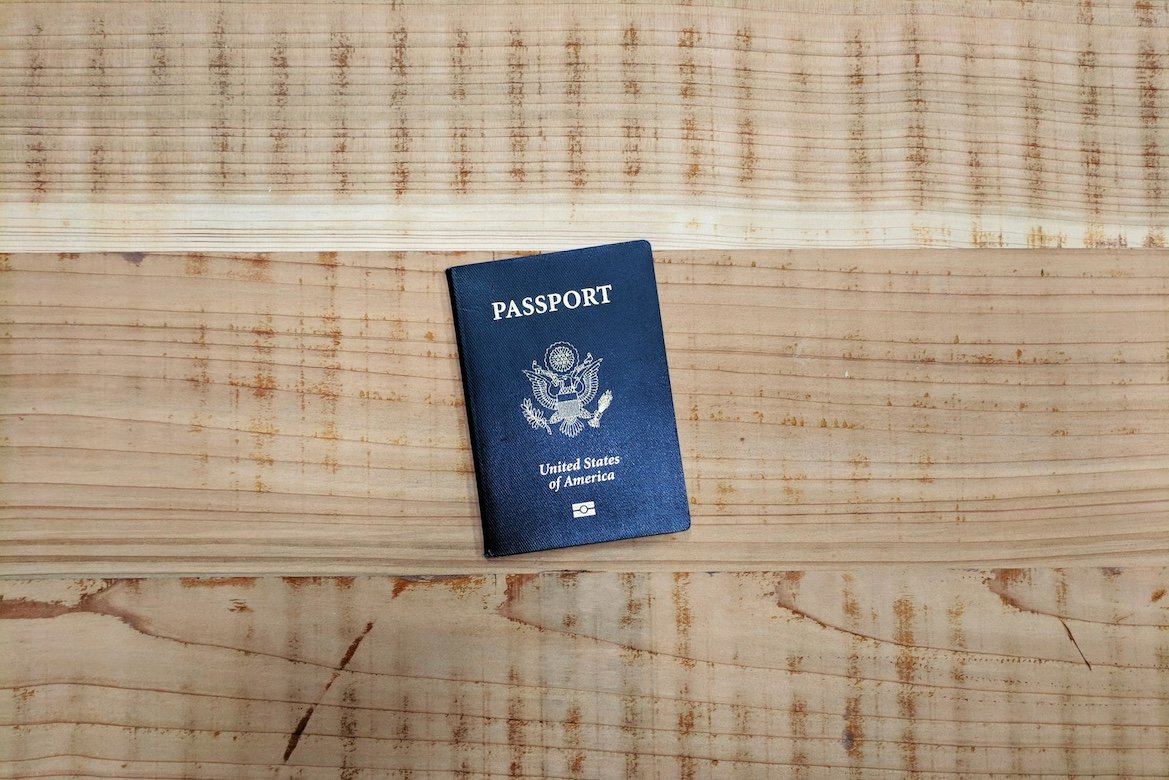
The proposed legislation could significantly reshape how Americans engage with citizenship, travel, and global mobility. Photo: Jeremy Dorrough / Unsplash
For decades, the United States has taken a relatively flexible approach to dual citizenship, allowing Americans to legally hold more than one passport. That long-standing norm may soon face its most serious challenge yet. A newly introduced Senate bill proposes a dramatic shift in how citizenship is defined, potentially forcing millions of Americans to choose a single nationality.
The legislation, titled the Exclusive Citizenship Act of 2025, was introduced by Bernie Moreno, a Republican senator from Ohio. The bill would require U.S. citizens to pledge “sole and exclusive allegiance” to the United States, effectively ending the ability to hold dual citizenship. If passed, Americans who currently hold another nationality alongside U.S. citizenship would be given a limited window to decide which passport to keep.
Under the proposal, existing dual citizens would have one year from the law’s effective date to make a choice. Those who opt to remain U.S. citizens would be required to formally renounce their foreign citizenship. Those who choose to retain their other nationality would automatically lose their U.S. status. The bill also applies prospectively: Americans who acquire a second citizenship after becoming U.S. citizens would be considered to have relinquished their American citizenship by default.
A Sharp Break From Longstanding U.S. Policy
Supporters of the bill frame it as a matter of loyalty and national identity. In public statements, Moreno has argued that citizenship should be an “all or nothing” commitment, suggesting that dual nationality can create conflicts of interest or divided allegiances. The bill’s language reflects this stance, emphasizing the preservation of a singular national identity.
This marks a sharp departure from current U.S. practice. While American law requires citizens to use a U.S. passport when entering or leaving the country, it does not prohibit holding another nationality. Millions of Americans are dual citizens due to birth abroad, foreign-born parents, marriage, or long-term residence overseas. In an increasingly globalized world, dual citizenship has become a practical reality for families, professionals, and retirees who maintain ties across borders.
Today’s dual citizens already navigate complex obligations. They may be subject to tax rules, military service requirements, or legal duties in more than one country. Travel itself can involve careful passport management, using a U.S. passport for American border crossings and another passport abroad. While sometimes cumbersome, this system has been widely accepted and legally supported.
If enacted, the Exclusive Citizenship Act would introduce significant administrative and personal consequences. Federal agencies would have 180 days after enactment to establish enforcement mechanisms, including tracking compliance and reclassifying citizenship status. Legal challenges would almost certainly follow, given the bill’s sweeping implications.
For now, the proposal does not alter existing law. But it has already ignited a broader debate about identity, loyalty, and mobility in a country shaped by immigration. For travelers, expatriates, and globally connected Americans, the stakes are deeply personal – raising questions about what it means to belong in a world where borders are increasingly crossed, but citizenship may become more rigid.
China has introduced the Nihao China app, a new all-in-one digital platform designed to help international travelers navigate payments, transport, and everyday services with ease.
By Yuliya Karotkaya
Published:
Updated:
The Nihao China app aims to make travel and daily life in China easier for international visitors through one unified digital platform. Photo: Sophie Wrixon / Unsplash
China is taking a major step toward simplifying the travel experience for international visitors with the launch of the Nihao China app, a new all-in-one digital platform designed to bridge the gap between foreign travelers and everyday life in the country.
Officially unveiled at the China International Travel Mart in December 2025, the app reflects a broader push to make China more accessible, convenient, and welcoming as inbound tourism continues to recover.
Developed and launched by UnionPay, Nihao China is positioned as far more than a basic travel utility. It brings together payments, transportation, translation, and essential travel services into a single interface, reducing the friction international visitors often face when navigating China’s highly digital ecosystem. From booking trains and hotels to paying for meals or public transit, the app is designed to function as a practical daily companion from arrival to departure.
One App for Payments, Transport, and Essential Services
At the core of Nihao China app is a comprehensive payment system tailored specifically for foreign users. Registration is straightforward, requiring only an email address or an Apple account, after which users can link international bank cards, including UnionPay, Visa, and Mastercard issued outside mainland China. The app supports real-time exchange rates for more than 160 currencies, helping travelers stay aware of costs as they move through the country.
Nihao China connects to hundreds of online platforms, covering key travel and lifestyle needs such as train tickets, food delivery, hotel bookings, and e-commerce. For in-person spending, the app integrates China’s dominant QR-based payment networks, allowing users to scan and pay across more than a thousand everyday service scenarios with a single app. Tax refund services are also included in major cities, streamlining what has traditionally been a complex process for foreign shoppers.
Transportation is another central pillar. The app supports metro systems in 43 major cities and public bus networks across more than 1,700 county-level regions. Travelers can tap in and out without purchasing separate transit cards, while English-language maps help locate nearby ATMs, currency exchange points, and essential services.
Smart Tools Designed to Remove Language Barriers
Beyond payments and transport, Nihao China focuses heavily on communication and navigation. Built-in real-time translation supports Chinese-English conversations, with additional recognition for Japanese, Korean, Arabic, and Russian. In-app page translation ensures users can navigate services without struggling through unfamiliar interfaces.
A smart assistant adds another layer of functionality, answering questions about attractions, dining, and transportation while offering route planning that blends public transit, walking, and other options. Looking ahead, planned updates include visa-related services, virtual SIM activation for instant mobile data, and one-tap reservations for popular museums and cultural sites.
Together, these features position Nihao China as a digital gateway into modern Chinese life. Rather than relying on multiple apps, workarounds, or local assistance, international travelers are given a single, cohesive tool designed specifically around their needs.
As China works to strengthen inbound tourism and people-to-people exchange, Nihao China signals a clear intent: making the country easier to explore, understand, and enjoy for visitors from around the world.
Join our list to receive latest Blockchain, Crypto & Fintech news:
WordPress database error: [Table 'u752143311_aXVuj.wp_coingecko_coins' doesn't exist]
            SELECT coins.*, meta.post_id as post_id
            FROM `wp_coingecko_coins` coins
            INNER JOIN wp_postmeta meta ON (meta.meta_key = 'wpcf-coin-main-tag' AND meta.meta_value = coins.slug )
            ORDER BY market_cap_usd
            DESC LIMIT 9