Greenland is experiencing a notable rise in international travel interest, with Air Greenland reporting strong booking growth from the U.S., the U.K., and Germany beyond traditional peak seasons.
By Yuliya Karotkaya
Published:
Updated:
Growing international interest is pushing Greenland into the spotlight as Air Greenland records rising bookings from long-haul markets. Photo: Annie Spratt / Unsplash
Greenland is emerging as an unexpected travel hotspot, with international interest accelerating well beyond its traditional summer peak. According to Air Greenland, booking activity has increased sharply in recent months, driven by travelers from the United States, the United Kingdom, and Germany.
The surge reflects a broader shift in travel behavior, as more visitors seek remote, experience-led destinations and are increasingly willing to explore Arctic regions outside conventional holiday periods.
Air Greenland has described the recent pattern as unusual, noting a higher volume of late bookings and strong demand during shoulder seasons. While Denmark and Greenland itself remain the airline’s core markets, overseas interest is expanding at a pace that suggests Greenland is gaining wider recognition among global travelers.
Improved air connectivity has played a role, including the introduction of direct long-haul routes that have made the island more accessible to North American and European visitors.
A Broader Shift Toward Arctic and Experiential Travel
Industry observers see Greenland’s growing appeal as part of a wider trend favoring off-the-beaten-path destinations. Travelers from the U.S., the U.K., and Germany are increasingly drawn to places that offer dramatic natural landscapes, cultural depth, and a sense of remoteness that contrasts with overcrowded tourist centers.
Greenland’s glaciers, fjords, and Arctic light conditions provide a distinctive experience that aligns with demand for adventure-oriented and nature-focused travel.
Air Greenland’s network plays a central role in enabling this demand. The airline connects international visitors to key gateways such as Nuuk, Ilulissat, and Kangerlussuaq, providing access to both urban centers and remote regions.
These routes also link Greenland with Canada, Iceland, and the U.K., reinforcing the island’s position within a growing Arctic travel corridor. Market sources indicate that interest is no longer limited to first-time summer visitors, but increasingly includes repeat travelers and those seeking winter and shoulder-season experiences.
Beyond tourism, the rise in bookings has broader implications for Greenland’s economy and infrastructure. A more diversified flow of visitors could support year-round operations for hotels, tour providers, and local businesses that have traditionally relied on short seasonal windows. It may also encourage further investment in accommodation, transport services, and cultural programming, helping to stabilize employment in a region where economic opportunities can be limited.
At the same time, tourism authorities are emphasizing responsible travel. Greenland’s growing visibility on the global stage has prompted updated guidance for visitors and media professionals, encouraging cultural sensitivity and respect for local communities. As international attention increases, managing growth sustainably will be critical to preserving the qualities that make Greenland appealing in the first place.
For Air Greenland, the current booking surge offers both opportunity and challenge. Balancing operational demands in a harsh Arctic environment with rising international interest will influence future capacity planning and route development. More broadly, Greenland’s momentum suggests that Arctic destinations may play a larger role in global travel patterns in the years ahead.
The Milano Cortina 2026 Winter Olympics will unfold across northern Italy, combining iconic cities, Alpine resorts, and historic arenas into one of the most geographically diverse Games in Olympic history.
By Yuliya Karotkaya
Published:
Updated:
Milano Cortina 2026 will bring the Winter Olympics to cities and mountain resorts across Italy, from Milan to the Dolomites. Photo: David Dibert / Pexels
Italy will take center stage in February 2026 as it hosts the Winter Olympic Games Milano Cortina, an event designed to showcase the country’s cultural depth, Alpine landscapes, and modern infrastructure.
Unlike past Winter Games concentrated in a single region, Milano Cortina 2026 will stretch across multiple territories in northern Italy, creating a distributed Olympic experience that blends global cities with mountain venues. The Games will officially open on February 6, marking Italy’s return as Winter Olympic host for the first time since Turin 2006.
The Opening Ceremony will take place in Milan, setting the tone for a Games that deliberately connects urban life with winter sport. From there, athletes and spectators will move between venues spread across Lombardy, Veneto, Trentino-Alto Adige, and neighboring areas, with each location hosting disciplines that best fit its geography and heritage.
Ceremonies and the Olympic Cities
The Opening Ceremony of Milano Cortina 2026 will be held at the iconic San Siro Stadium in Milan on February 6, transforming one of Italy’s most famous football venues into a global Olympic stage. Milan will also host several major ice sports, including figure skating, speed skating, short track speed skating, and ice hockey, reinforcing its role as the Games’ urban heart.
The Closing Ceremony will take place on February 22 in Verona, a city better known for Roman history and opera than winter sports. The Verona Olympic Arena will provide a dramatic setting to conclude the Games, underlining the organizers’ goal of spreading Olympic moments across culturally significant Italian cities rather than concentrating everything in one host zone.
Venues, Travel, and Where the Sport Happens
Sporting competitions will be staged across 15 venues in eight territories, each selected to align naturally with the disciplines they host. Cortina d’Ampezzo will be a focal point for alpine skiing, curling, and sliding sports, while Bormio will host high-profile alpine events and ski mountaineering. Livigno will take center stage for freestyle skiing and snowboarding, reinforcing its reputation as a freestyle hub in the Alps.
Nordic disciplines such as ski jumping, cross-country skiing, and Nordic combined will be held in Predazzo and Tesero, long-established winter sport locations with existing infrastructure. Biathlon will take place in Antholz, one of the sport’s most respected venues.
Travel between venues has been a central part of the planning for Milano Cortina 2026. The Games rely heavily on Italy’s rail network, regional transport links, and coordinated event travel services, allowing spectators to combine attendance with broader travel across northern Italy. Milan serves as the primary transport gateway, while mountain venues are connected through regional hubs designed to manage Olympic-scale movement.
Accommodation is spread across cities, resort towns, and surrounding regions, reflecting the decentralized nature of the Games. Organizers have emphasized flexibility, encouraging spectators to stay in locations that align with their event schedules and preferred travel style.
Milano Cortina 2026 is shaping up not just as a sporting event, but as a country-wide showcase – one that invites visitors to experience Italy through sport, movement, and place.
Ryanair believes free in-flight Wi-Fi will become standard across aviation within five years, but CEO Michael O’Leary says cost and fuel efficiency still matter more than cutting-edge tech.
By Yuliya Karotkaya
Published:
Updated:
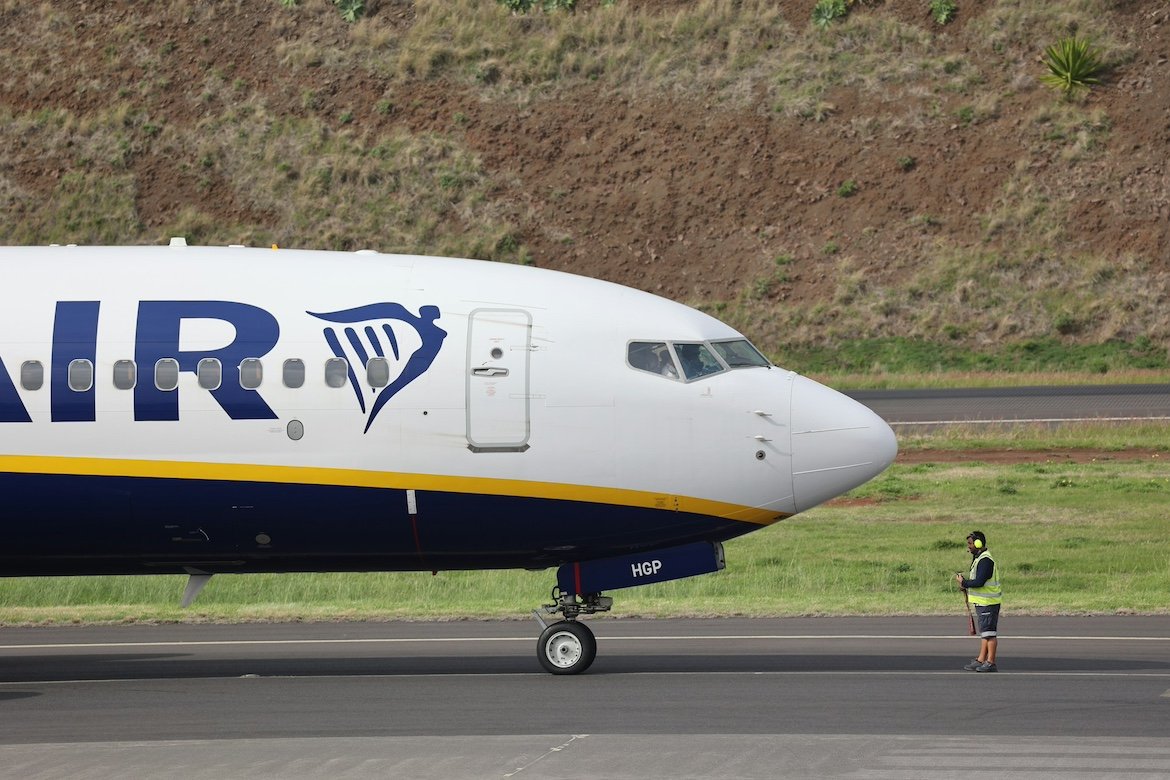
Ryanair believes free in-flight Wi-Fi will become standard across airlines, but only once the technology fits low-cost economics. Photo: Fliesentisch Fotograf / Unsplash
Ryanair CEO Michael O’Leary believes that free in-flight Wi-Fi will become a standard feature across the airline industry within the next five years, but insists that cost discipline will ultimately determine when and how that happens. Speaking during a recent earnings call, O’Leary said improving technology would make free connectivity inevitable, yet emphasized that passengers value low fares far more than onboard internet access.
Ryanair, Ireland’s largest airline and one of Europe’s biggest low-cost carriers, has built its success on aggressive cost control and high aircraft utilization. According to O’Leary, that model leaves little room for technologies that increase fuel burn or add complexity to aircraft operations. While many airlines have embraced satellite-based systems such as Starlink, which can deliver speeds exceeding typical home Wi-Fi, Ryanair remains cautious about adopting solutions that require external antennas mounted on the aircraft fuselage.
O’Leary’s skepticism toward Starlink became public after a brief but high-profile disagreement with Elon Musk, centered on the aerodynamic drag created by satellite terminals. Ryanair estimates that external antennas could increase fuel consumption by up to two percent, potentially costing the airline more than $200 million annually and forcing ticket prices higher. Although SpaceX disputes those figures, O’Leary maintains that even marginal increases in fuel burn are unacceptable for an airline whose competitive edge rests on price.
Despite the resistance to current solutions, Ryanair is not rejecting in-flight Wi-Fi outright. O’Leary said the airline would adopt connectivity “in a heartbeat” if technology evolves to allow antennas to be installed internally, such as within the aircraft hold, without affecting aerodynamics. Discussions are ongoing with multiple providers, including Starlink, Amazon, and British telecom group Vodafone, as the airline monitors developments in satellite and air-to-ground systems.
O’Leary is also unconvinced that passengers are willing to pay for connectivity. While some providers argue that up to half of travelers would purchase Wi-Fi access, Ryanair believes the real figure is closer to ten percent. Past experience suggests that free access drives usage, whereas paid services are often ignored, especially on short-haul routes across Europe where flights are brief.
For Ryanair, the priority remains clear: low fares come first. O’Leary has repeatedly stated that cheap tickets consistently outperform added amenities when it comes to attracting customers. Until in-flight Wi-Fi can be offered without increasing costs or fares, Ryanair is prepared to wait, confident that technology will eventually align with its ultra-low-cost philosophy.
Disney has confirmed Yas Island as the future home of Disneyland Abu Dhabi, marking the company’s first theme park resort in the Middle East and a major milestone for global expansion.
By Yuliya Karotkaya
Published:
Updated:
Photo: Artist Concept by Disney
Disneyland Abu Dhabi is officially moving from concept to concrete reality, with Disney confirming Yas Island in the United Arab Emirates as the location for its long-anticipated Middle Eastern theme park.
The announcement follows the release of photos shared by Disney chief executive Bob Iger, showing him walking the waterfront site that will one day host the resort. The development represents Disney’s seventh global theme park destination and its first entirely new location since Shanghai Disney Resort opened in China in 2016.
For Abu Dhabi, the project reinforces its ambition to become one of the world’s leading leisure and entertainment hubs, while for Disney it marks a strategic entry into a fast-growing tourism market bridging Europe, Asia, and Africa.
The park will be developed by Miral, the Abu Dhabi-based company behind much of Yas Island’s transformation into a major entertainment district. While Disney has not announced an official opening date, early estimates suggest a multi-year timeline, with design expected to take one to two years and construction potentially lasting four to six years. Industry observers estimate the total investment could reach around $10 billion, fully funded by Miral, underscoring the scale of the commitment from the United Arab Emirates.
A Waterfront Resort Designed for a New Region
Yas Island’s northern waterfront, where Disneyland Abu Dhabi will be built, offers a setting unlike any previous Disney park. The area remains largely undeveloped, giving designers a blank canvas to create a destination that integrates water, open space, and iconic architecture. Disney executives have described the location as “incredibly unique,” noting that the waterfront environment allows for new approaches to storytelling and park design.
Disney has emphasized that the resort will be “authentically Disney and distinctly Emirati,” signaling a blend of classic characters and narratives with local cultural elements and contemporary design. Although specific attractions have not yet been revealed, the resort is expected to include themed lands, entertainment experiences, retail, dining, and at least one Disney-branded hotel. The focus will be on creating a full-scale destination rather than a standalone park, aligning with Disney’s global resort model seen in Paris, Tokyo, and Hong Kong.
The announcement has also drawn global attention because it marks Disney’s first expansion into the Middle East. Supporters point to the region’s strong tourism growth and Abu Dhabi’s track record with large-scale attractions on Yas Island, which already hosts major theme parks and entertainment venues.
At the same time, the project has sparked debate among some Disney fans, particularly around cultural and social issues in the United Arab Emirates. Disney leadership has responded by reiterating its long-standing approach of respecting local cultures while maintaining the core values of the brand.
As planning continues, Disneyland Abu Dhabi is shaping up to be one of the most closely watched theme park projects of the decade. Positioned on Yas Island and backed by significant investment, it reflects both Disney’s confidence in international growth and Abu Dhabi’s determination to cement its place on the global tourism map.
Global Hotel Alliance delivered a standout year in 2025, with record revenue, rising loyalty engagement, and strong international travel demand reshaping the independent hotel landscape.
By Yuliya Karotkaya
Published:
Updated:
Global Hotel Alliance celebrates a record-breaking year in 2025 as international travel and loyalty-driven stays continue to accelerate. Photo: GHA
Global Hotel Alliance closed 2025 with its strongest performance to date, confirming the growing power of loyalty-driven travel and the resilience of international leisure demand.
Headquartered in the UAE, the world’s largest alliance of independent hotel brands reported record revenue, rising member engagement, and accelerated direct bookings, underscoring the effectiveness of its collaborative model in a rapidly evolving hospitality landscape.
Total revenue generated through the GHA DISCOVERY loyalty program reached an all-time high of $3.2 billion, marking a 21% increase year over year. Repeat stay revenue climbed to $1.8 billion, up 18%, highlighting how loyalty continues to translate into consistent guest behavior. Cross-brand stays, a key indicator of member engagement across the alliance, rose 15% to $424 million as travelers increasingly explored multiple brands within the portfolio rather than remaining loyal to a single hotel flag.
Loyalty Growth and Brand Expansion Fuel Momentum
Membership growth played a central role in GHA’s performance. Enrollments increased by 25% in 2025, pushing total GHA DISCOVERY membership beyond 34 million travelers worldwide. DISCOVERY Dollar redemptions surged by 55%, reflecting members’ growing willingness to use rewards not only for hotel stays but also for dining, wellness, and curated experiences, particularly during the peak holiday season.
The alliance also significantly expanded its global footprint. Eight new hotel brands joined GHA in 2025, while 175 new properties were added to the DISCOVERY platform, nearly tripling the previous year’s growth. A major milestone came with the addition of Rotana, which contributed more than 70 hotels across the Middle East, Africa, Eastern Europe, and Turkey. New brands such as Sunway, Lanson Place, and SAii further strengthened the alliance’s presence in both established and emerging leisure destinations across Asia, Europe, and the Middle East.
International Travel and Direct Booking Strength
International travel continued to dominate GHA DISCOVERY activity, accounting for 67% of total revenue in 2025. Destinations with particularly high international demand included Thailand, Portugal, the Netherlands, Hong Kong, the UAE, and Singapore. The US and UK once again emerged as the most important outbound feeder markets, generating a combined $432 million in international room revenue, followed by Germany, Australia, and China.
Direct booking channels proved especially powerful. Revenue from GHA’s web and app platforms rose 26%, while bookings increased by 29%. More than 70% of these direct bookings involved cross-brand stays, and average member spend through GHA channels was 86% higher than through other distribution channels. According to GHA leadership, this shift away from high-cost third-party platforms strengthens profitability for independent hotel brands while delivering higher-value guests.
Looking ahead, GHA expects continued momentum in 2026, driven by younger travelers prioritizing experiences, accelerating demand from India and Southeast Asia, and sustained appetite for international leisure travel despite global uncertainty.
Hospitality technology platform Mews has secured $300 million in fresh funding, positioning itself as a global leader in AI-driven hotel operations and digital guest experiences.
By Yuliya Karotkaya
Published:
Updated:
Richard Valtr, Founder, and Matt Welle, CEO, of Mews. Photo: Mews
Mews has secured a $300 million Series D investment, marking a major milestone for the hospitality technology sector and reinforcing its ambition to become the global operating system for hotels.
The funding round, which values the Amsterdam-based company at $2.5 billion, is the largest ever raised by a hospitality software provider and reflects growing confidence in technology-driven transformation across the hotel industry.
Led by EQT Growth with participation from Atomico, HarbourVest Partners and existing backers, the investment positions Mews at the center of a rapidly evolving digital hospitality landscape.
The company enters this new phase following a year of strong operational momentum. In 2025, Mews served more than 15,000 customers across 85 countries, supporting over 132,000 monthly active hoteliers. Its platform processed 42.3 million checked-in reservations, including millions handled through self-service kiosks, while total transaction volume reached nearly $20 billion.
The software also generated more than half a billion dollars in incremental revenue for hotel partners by enabling them to monetize non-room spaces such as meeting rooms, event venues and shared areas. These figures underline the company’s shift away from traditional property management toward a broader, experience-driven operating model.
A core focus of the new funding will be artificial intelligence. Mews plans to accelerate the rollout of agent-driven systems designed to automate complex workflows, reduce staff workload and deliver more personalized guest experiences.
By embedding AI deeply into its platform, the company aims to help hotels make real-time operational decisions, optimize pricing and demand, and scale efficiently without relying on legacy systems. Leadership at Mews has emphasized that automation is not about replacing human hospitality, but about freeing teams to focus on service, creativity and guest engagement.
The investment also supports Mews’ expansion in fintech capabilities, particularly payments infrastructure that integrates commerce directly into hotel operations. By connecting guest experiences with revenue streams inside a single platform, Mews is positioning itself as a bridge between operations, guest interaction and financial performance. This approach aligns with broader industry trends as hotels seek to diversify revenue sources and better understand guest behavior beyond overnight stays.
Geographically, the company plans to deepen its presence in North America and Europe while continuing to enter new markets. The funding comes shortly after Mews’ acquisition of a generative AI analytics company, further strengthening its data and intelligence capabilities. Industry recognition has followed, with the platform recently ranked as the leading property management and hotel point-of-sale system by hospitality professionals.
As hotels face rising expectations around speed, personalization and profitability, Mews is betting that a unified, AI-native operating system can become the backbone of modern hospitality. With fresh capital and growing global adoption, the company is positioning itself not just as a software provider, but as a defining infrastructure layer for the future of hotels.
The legendary Spa-Francorchamps circuit is set to become a year-round luxury destination with the launch of a premium trackside hotel and residences, opening in 2028.
By Yuliya Karotkaya
Published:
Updated:
Luxury trackside hotel development set to transform Spa-Francorchamps into a year-round motorsport and travel destination. Photo: Spa Francorchamps
In Belgium, the legendary Circuit de Spa-Francorchamps has unveiled plans for a landmark premium trackside accommodation project that will introduce high-end hospitality directly into one of motorsport’s most iconic settings.
A new €30 million private investment will bring premium trackside accommodation directly into the heart of the Belgian circuit, marking the largest development project in Spa’s history. Scheduled to open in 2028, the project signals a strategic shift toward positioning Spa-Francorchamps as a year-round destination rather than one defined solely by race weekends.
The development, delivered in partnership with hospitality specialist Escapade, introduces a level of luxury and permanence that has never before existed at the circuit.
By combining accommodation, dining, wellness, and event spaces within the track itself, Spa-Francorchamps aims to extend its appeal beyond motorsport fans to business travelers, corporate clients, and high-end leisure guests.
A Landmark Trackside Hospitality Concept
At the center of the project is a new 68-room hotel located within the Eau Rouge building, placing guests beside one of the most famous corners in global motorsport. In addition to the main hotel, six independent residences with a total of 23 rooms will be built at the La Source hairpin, another instantly recognizable section of the circuit. Together, these elements create a 91-room premium accommodation offering embedded directly within the racing environment.
The facilities will include a panoramic bar and gastronomic restaurant overlooking the track, along with concierge services, wellness and fitness areas, and adaptable event spaces. Designed to operate all year, the hotel will cater not only to Formula 1 teams and partners, but also to corporate events, private testing programs, product launches, and cultural gatherings hosted at the circuit throughout the calendar.
Architecture Rooted in Place and Heritage
The architectural vision for the project emphasizes respect for Spa-Francorchamps’ history and its natural surroundings in the Ardennes. Rather than replacing existing structures, the development will refurbish and expand key buildings while preserving their character. The design language draws inspiration from the flow of the circuit itself, using natural materials such as wood and stone that blend into the forested landscape.
This approach allows the hotel and residences to feel integrated into the environment rather than imposed upon it. The result is intended to reflect movement, performance, and endurance – qualities closely associated with the circuit – while delivering a refined, contemporary hospitality experience.
Economic Impact and a Year-Round Future
Beyond motorsport prestige, the project represents a significant economic opportunity for the region. The hotel is expected to create long-term employment in hospitality and related services while increasing visitor numbers outside peak racing periods. For Spa-Francorchamps, the development aligns with a broader strategy to diversify revenue, strengthen financial sustainability, and remain active 365 days a year.
As global interest in motorsport-driven travel continues to rise, the addition of permanent luxury accommodation positions Spa-Francorchamps among a small group of elite circuits offering immersive, trackside hospitality. By 2028, the circuit will not only host races, but also serve as a destination where guests can stay, work, and experience motorsport culture from the inside.
Up Norway has launched new spring-focused itineraries that highlight Norway’s cultural cities, dramatic fjords, and vast mountain plateaus during the country’s most transitional season.
By Yuliya Karotkaya
Published:
Spring landscapes unfold across Norway’s fjords and mountain plateaus in Up Norway’s new seasonal itineraries. Photo: Nunzio Guerrera / Pexels
Bespoke travel company Up Norway is expanding its portfolio with new spring-focused itineraries designed to capture the contrast and renewal of Norway’s shoulder season.
The newly introduced journeys emphasize both cultural immersion and outdoor exploration, timed for May and early summer when snow lingers in the mountains while cities and fjords begin to bloom. The itineraries reflect a growing demand for slower, experience-driven travel that balances iconic sights with deeper regional storytelling.
One of the highlights is a seven-day journey that traces a path from Norway’s capital through its mountainous interior to the western fjords. The route begins in Oslo, where travelers explore contemporary architecture and museums alongside historic neighborhoods, before heading into the highlands.
This transition from urban culture to raw nature is central to the experience, offering a clear sense of Norway’s geographic and cultural diversity within a relatively compact timeframe.
From Cultural Capitals to Mountain Plateaus and Fjords
The spring itinerary moves from Oslo toward the Hardangervidda plateau, the country’s largest high mountain region, where melting snow feeds lakes and rivers and wildlife begins to reappear.
Guests stay at a traditional mountain lodge near the national park, with activities ranging from canoeing on alpine lakes to visits with local cheesemakers and artisans. Scenic drives across the plateau highlight wide-open landscapes that feel dramatically different from Norway’s coastal imagery, underscoring the country’s varied terrain.
From the mountains, the journey continues toward Hardangerfjord and onward to Bergen, one of Norway’s most storied port cities. Along the way, travelers experience private fjord cruises, preserved farmsteads, and hands-on workshops that introduce regional crafts and food traditions.
Bergen provides a fitting conclusion, combining historic harborfronts with access to surrounding nature, and reinforcing the itinerary’s blend of culture and landscape.
Complementing the shorter spring tour, Up Norway has also introduced a more extensive 15-day journey aimed at travelers seeking a comprehensive view of the country. This longer experience spans from Oslo to the Arctic archipelago of Svalbard and down Norway’s coastline by ship, before returning inland through fjord regions and mountain railways.
Glaciers, remote research settlements, and UNESCO-protected rural areas form part of this deeper exploration, positioning the itinerary as a once-in-a-lifetime journey through Norway’s extremes.
Together, the new offerings reflect Up Norway’s strategy of tailoring travel to seasonal rhythms while emphasizing authenticity and customization. By focusing on spring, the company highlights a quieter, more nuanced side of Norway – one where cultural life, natural beauty, and local traditions intersect before the peak summer crowds arrive.
A massive winter storm has forced airlines to cancel more than 13,000 flights in a single weekend, paralyzing major U.S. airports and disrupting travel nationwide.
By Yuliya Karotkaya
Published:
Updated:
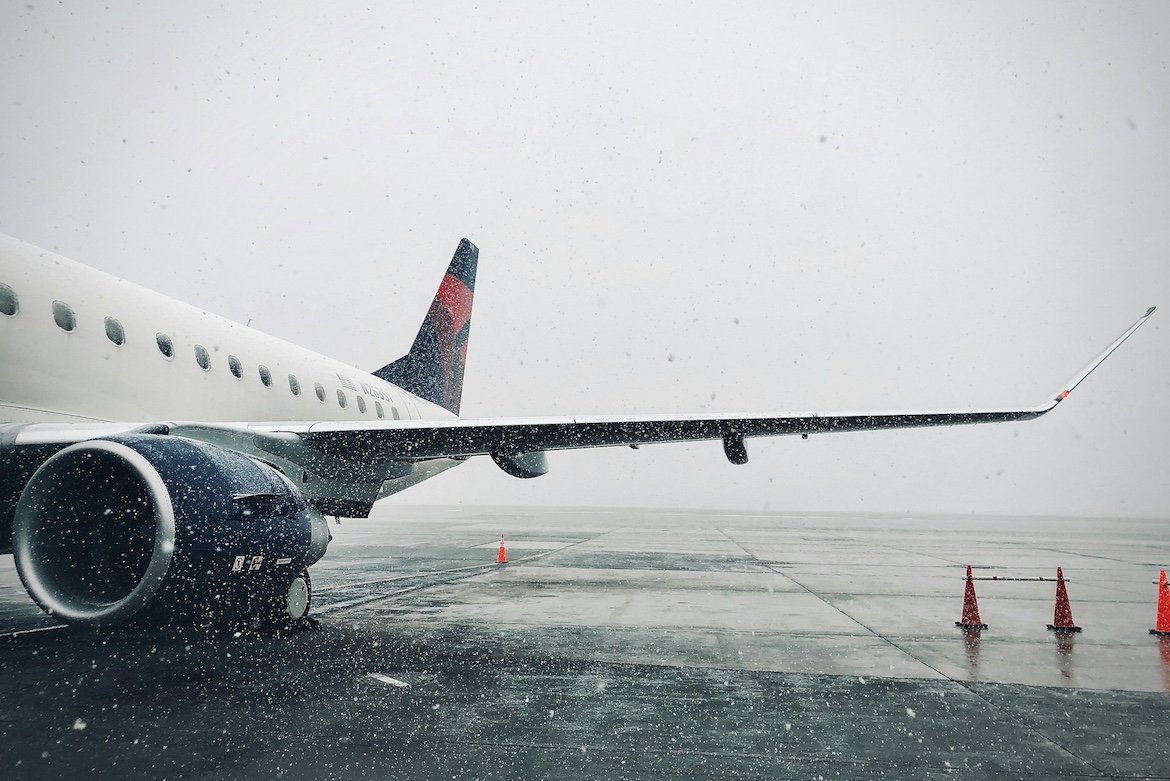
Snow and ice overwhelm major US airports as airlines cancel thousands of flights during a powerful winter storm. Photo: Shot By Joe / Unsplash
A powerful winter storm sweeping across the United States has caused one of the most severe disruptions to air travel since the early days of the COVID-19 pandemic.
Airlines canceled more than 13,000 flights over a single weekend as snow, ice, and extreme cold moved from the southern Plains into the Midwest, Mid-Atlantic, and Northeast. According to flight-tracking data, Saturday saw more than 4,000 cancellations, while Sunday surged past 9,000, marking the highest single-day total in nearly six years.
The storm’s wide reach and slow movement left airlines with few options but to ground aircraft preemptively. Freezing rain in the South, heavy snow in the Northeast, and dangerously low temperatures across large parts of the country created conditions that made flying unsafe and recovery difficult.
Airport operations were further complicated by crew shortages, displaced aircraft, and frozen ground infrastructure, setting off a ripple effect expected to last well into the following week.
Major Hubs Grind to a Halt
Some of the country’s busiest airports were among the hardest hit. Nearly all departing flights were canceled at Ronald Reagan Washington National Airport, while Newark, LaGuardia, Philadelphia, Baltimore, and Washington Dulles reported cancellation rates exceeding 80 percent at various points. Snowfall rates of up to two inches per hour in cities like New York and Philadelphia quickly overwhelmed runways and de-icing operations.
In the South and Midwest, Dallas-Fort Worth, Charlotte, Nashville, Atlanta, and Oklahoma City experienced widespread shutdowns as rain transitioned into ice and snow. Oklahoma City canceled all scheduled flights for Saturday, and many Sunday morning departures were also scrapped. Atlanta, the nation’s busiest airport by passenger volume, saw hundreds of cancellations as icy conditions made ground operations hazardous.
Airlines including American, Delta, United, Southwest, and JetBlue each reported hundreds to more than a thousand canceled flights in a single day. While some carriers attempted to add limited extra capacity once conditions improved, the scale of the disruption made quick recovery impossible.
Waivers, Rail Shutdowns, and the Road Ahead
To manage the fallout, airlines issued broad travel waivers allowing passengers to rebook without change fees. These waivers covered dozens of airports across Texas, the Southeast, the Mid-Atlantic, the Northeast, and parts of the Midwest, with flexible rebooking windows extending into the following week. Still, many travelers faced limited seat availability as airlines worked to reposition crews and aircraft.
The storm’s impact extended beyond aviation. Public transportation systems in the Northeast were partially or fully suspended, including bus and light rail services in New Jersey and New York City. Icy highways and road closures further limited alternatives for stranded travelers.
Although weather conditions are expected to gradually improve, airlines are already reporting additional cancellations for Monday as recovery efforts continue. Industry experts warn that delays and disruptions could persist for several days, underscoring how extreme winter weather can still bring the modern travel system to a standstill.
A massive winter storm sweeping across the United States is bringing extreme cold, heavy snow, and major travel disruptions, affecting millions of travelers nationwide.
By Yuliya Karotkaya
Published:
Updated:
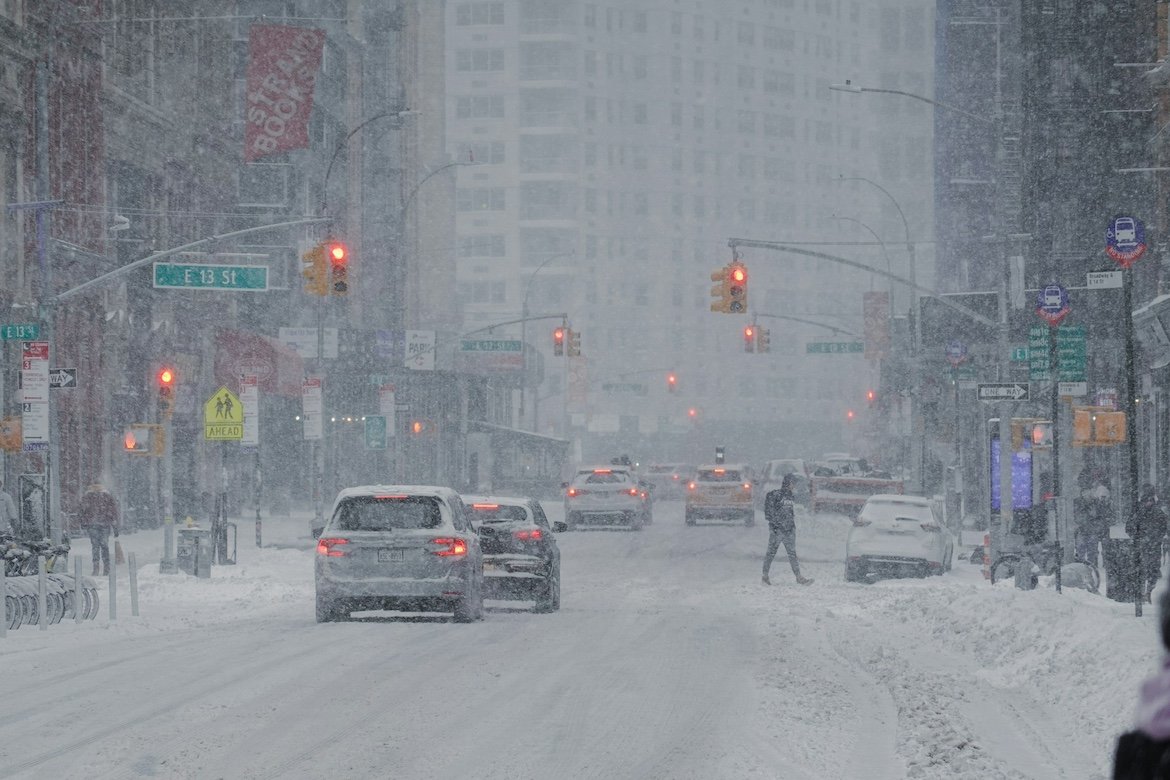
Heavy snow and extreme cold disrupt travel across major US cities as a powerful winter storm moves east. Photo: Kaiyu Wu / Unsplash
A powerful winter storm is sweeping across the United States, prompting urgent warnings from meteorologists and transportation authorities as millions of travelers brace for dangerous conditions.
The storm, driven by an intense Arctic blast, is expected to stretch over a 2,000-mile corridor from the southern Plains to the Northeast, bringing heavy snow, freezing rain, and record-breaking cold temperatures. Officials say the combination of prolonged snowfall, icy roads, and severe wind chills could make travel extremely hazardous throughout the weekend and into early next week.
The National Weather Service has warned that wind chills could plunge well below zero across large portions of the country, with some northern regions experiencing conditions cold enough to cause frostbite in minutes. Sub-zero temperatures are forecast to spread from the northern Plains into the Midwest, the Ohio Valley, and eventually the East Coast.
In southern states, where winter storms of this magnitude are less common, freezing rain and snow are expected to create especially dangerous driving conditions and strain local infrastructure.
Travel Disruptions and Emergency Measures
Transportation networks are already feeling the impact as airlines, airports, and highway authorities prepare for widespread delays and cancellations. Major cities including Dallas, Chicago, Memphis, Nashville, Washington DC, Baltimore, Philadelphia, and New York are forecast to see significant snowfall, while parts of Texas, Arkansas, Georgia, and the Carolinas face a mix of ice and snow.
Officials have cautioned that driving may become nearly impossible during the peak of the storm, particularly across southern and mid-Atlantic states unaccustomed to sustained winter weather.
Several state governors have declared states of emergency, enabling rapid deployment of emergency services and National Guard units. Airlines have issued travel advisories and are offering flexible rebooking options as conditions deteriorate. Energy providers in colder regions are also urging residents to conserve electricity, warning that heavy snow and ice could trigger power outages at a time when heating demand is at its highest.
A Broad Impact Across North America
Beyond the United States, the cold snap is extending into Canada, where freezing temperatures and snowfall are already affecting eastern and Atlantic provinces. Meteorologists caution that the slow-moving nature of the storm means communities could endure several days of extreme cold even after snowfall ends. In some areas, record-low temperatures are expected to persist well into the following week, compounding risks for travelers and residents alike.
Authorities are urging travelers to reconsider non-essential trips, closely monitor airline updates, and follow guidance from local officials. With conditions expected to evolve rapidly, flexibility and caution are key. For those already on the move, the coming days may test patience as airports, highways, and rail networks work to manage one of the most disruptive winter storms of the season.
American Airlines is adding new year-round and seasonal routes from Chicago and Los Angeles, strengthening domestic connectivity and intensifying competition on key U.S. corridors.
By Yuliya Karotkaya
Published:
Updated:
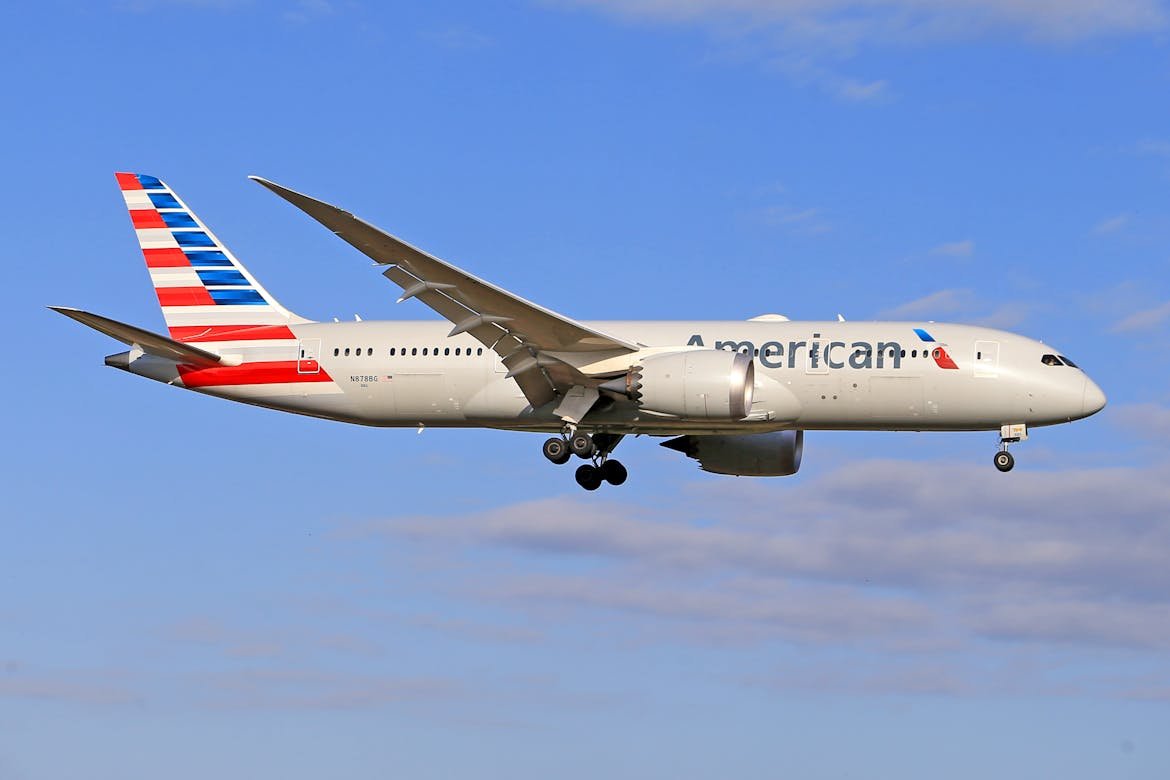
American Airlines is expanding its domestic network from Chicago and Los Angeles with new year-round and seasonal routes in 2026. Photo: Jeffry Surianto / Pexels
American Airlines is broadening its domestic network with a series of new routes from Chicago and Los Angeles, reinforcing its position in two of its most strategically important hubs. The expansion includes a mix of year-round and seasonal services designed to capture leisure, business, and visiting-friends-and-family demand across the United States. The new flights will become available for booking on January 26, with services launching in stages from April through December.
From Chicago O’Hare, American is introducing twice-daily, year-round service to Allentown, Pennsylvania, and Columbia, South Carolina, beginning May 21. These regional routes are aimed at improving connectivity between the Midwest and smaller but economically active markets in the Northeast and Southeast. Both routes place American in direct competition with United Airlines, reflecting the increasingly competitive landscape at O’Hare as carriers seek to strengthen their presence in the Upper Midwest.
In addition to regional growth, American is expanding its long-haul domestic offering from Chicago with a new seasonal route to Kahului, Hawaii. Daily service to Maui will operate from December 17 through March 2027, targeting peak winter travel demand. The route will be flown with widebody aircraft configured with multiple cabin options, positioning American to compete more aggressively for premium leisure travelers. O’Hare will become American’s fourth gateway to Maui, complementing existing services from Dallas-Fort Worth, Phoenix, and Los Angeles.
Los Angeles International Airport is also seeing notable additions. Beginning April 7, American will launch daily, year-round flights from Los Angeles to Cleveland, Ohio, and Washington, DC. These routes strengthen American’s transcontinental and Midwest connectivity while placing it head-to-head with established competitors on some of the country’s busiest business travel corridors. The Washington service adds another option alongside American’s existing flights to Reagan National Airport, offering travelers more flexibility in reaching the capital region.
The latest network changes build on American’s broader growth strategy in Chicago, where the airline previously announced plans to add roughly 100 daily flights, including popular seasonal leisure destinations. Executives have emphasized that the goal is not only to add capacity, but to refine frequency and destination choice in markets with strong and consistent demand. By targeting both major cities and underserved regional destinations, American is aiming to balance volume with network efficiency.
The expansion also highlights how airlines are recalibrating domestic networks as travel patterns continue to evolve. Leisure demand remains strong, particularly for destinations like Hawaii, while business travel is steadily recovering on routes linking major economic centers. With these new services, American is signaling confidence in sustained domestic demand and reinforcing its commitment to offering broad connectivity across the U.S. from its largest hubs.
Capital One is expanding its reach into managed business travel and corporate payments with a $5.15 billion acquisition of fintech platform Brex, signaling a bold push beyond consumer banking.
By Yuliya Karotkaya
Published:
Capital One is deepening its presence in business travel and payments through its $5.15 billion acquisition of fintech platform Brex. Photo: Capital One
Capital One is making one of its most ambitious moves yet into business travel and corporate payments with the announced $5.15 billion acquisition of fintech platform Brex. The deal, split evenly between cash and stock and expected to close in mid-2026, comes as Capital One continues to reposition itself as a technology-driven financial services company rather than a traditional bank. Following its recently completed acquisition of Discover, the Brex deal adds another major layer to Capital One’s expanding ecosystem.
Founded in 2017, Brex built its reputation by offering fast-growing companies an integrated platform combining corporate cards, expense management, and cash tools in a single, software-first product. While initially focused on venture-backed startups, Brex has gradually expanded into more traditional industries, with a growing share of customers outside the tech sector. For Capital One, the appeal lies not just in Brex’s customer base, but in its modern infrastructure and ability to support complex, global business spending.
Why Capital One wants Brex now
From Capital One’s perspective, the acquisition accelerates ambitions that would be difficult and slow to achieve organically. Brex brings more than 25,000 business customers, many of them fast-growing and internationally active, a segment Capital One has long targeted but struggled to reach at scale. Acquiring those relationships instantly expands Capital One’s footprint in business payments and managed spend.
Equally important is Brex’s technology. Built entirely in the cloud and designed with APIs at its core, the platform reflects a software-led approach that contrasts sharply with traditional banking systems. Capital One has invested heavily in technology over the years, but Brex offers a ready-made operating model for modern expense controls, real-time visibility, and global card issuance. The deal also supports Capital One Travel’s push into managed business travel, where payments, policy controls, and booking tools increasingly converge.
At $5.15 billion, the price represents a significant discount from Brex’s peak private valuation, reflecting broader resets in fintech markets. For Capital One, the bet is that combining bank-grade underwriting and a large balance sheet with Brex’s product design can unlock long-term value in a massive business payments market.
Risks of integration and cultural friction
Despite the strategic logic, the deal carries real execution risk. Capital One is still integrating Discover, a far larger and more complex transaction, and adding Brex increases pressure on management focus, engineering resources, and compliance teams. Integrating a fast-moving fintech into a regulated banking environment has historically proven difficult.
Culture may be the biggest challenge. Brex built its brand as an alternative to traditional banks, appealing to founders who valued speed and flexibility. Becoming part of a major financial institution could alienate some customers and employees, especially if innovation slows under heavier regulatory oversight. While Brex’s CEO is set to remain in charge, long-term autonomy inside a bank structure is never guaranteed.
The success of the acquisition will hinge on Capital One’s ability to preserve Brex’s product velocity while imposing necessary controls, retain customers who deliberately chose a non-bank platform, and prevent talent attrition after the deal closes. If Capital One succeeds, the Brex acquisition could become a blueprint for how banks modernize business travel and payments without starting from scratch. If not, it risks joining the long list of fintech acquisitions that lost momentum inside larger institutions.
Finland’s northern city of Oulu takes on the European Capital of Culture title for 2026, blending Arctic nature, Sámi heritage, and climate-focused art into a year-long cultural program.
By Yuliya Karotkaya
Published:
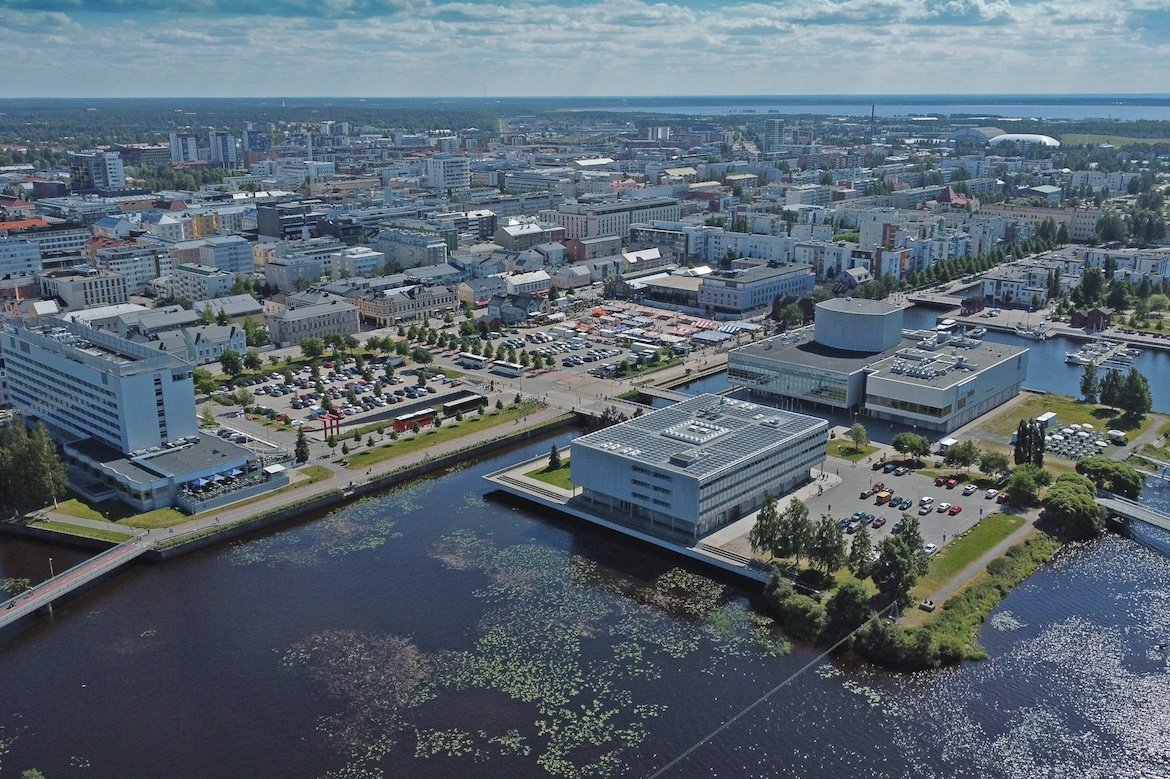
Oulu’s cityscape and cultural venues come alive as Finland’s European Capital of Culture in 2026. Photo: Janne Leimola / Unsplash
Oulu, a coastal city in northern Finland, has officially taken on the title of European Capital of Culture for 2026, marking a major moment for both the city and the wider Arctic region. Following an opening festival earlier this year, Oulu begins a twelve-month program designed to showcase cultural innovation, Indigenous heritage, and the realities of life shaped by extreme seasons.
The designation places Oulu alongside previous title holders such as Nova Gorica in Slovenia, Gorizia in Italy, and Chemnitz in Germany, while sharing the 2026 spotlight with Trenčín in Slovakia.
Long known for its technology sector and proximity to nature, Oulu is using the Capital of Culture year to redefine itself as a creative hub of the north. Nearly 500 events are planned across the city and surrounding areas, with programming built around long-term urban and cultural development rather than a single festival year. The goal is to strengthen local creative industries, attract international visitors, and leave a lasting cultural legacy well beyond 2026.
Climate, seasons, and art in the Arctic north
A central theme of Oulu 2026 is climate change, interpreted both environmentally and culturally. In June, the Climate Clock art trail will launch with seven site-specific installations by Finnish and international artists. These works explore melting ice, fragile ecosystems, and the passage of time in a warming Arctic environment, using Oulu’s public spaces as an open-air gallery.
Seasonal extremes also play a key role in the program. During winter, events like the Nallikari SnowFest invite artists to create large-scale snow sculptures on the frozen coast, while Frozen People, an electronic music festival held on the frozen sea, blends contemporary culture with Arctic conditions.
In summer, Oulu celebrates near-endless daylight with events such as a midnight sun run in July, offering distances from short races to a full marathon under glowing northern skies. As autumn arrives, the Lumo Art and Tech Festival in November brings digital installations and light-based works into the city’s darkening streets.
Food culture is woven throughout the year via the Arctic Food Lab, which highlights northern ingredients and local traditions through tastings, workshops, and culinary events that connect climate, culture, and everyday life.
Sámi culture and a broader European role
Sámi culture holds a prominent place in Oulu’s Capital of Culture program. Through opera, exhibitions, and contemporary art, Indigenous voices from across northern Finland, Sweden, Norway, and parts of Russia are given an international platform. Productions such as the opera Ovllá explore Sámi history and the lasting effects of forced assimilation, while the Sápmi Triennial at Oulu Art Museum presents both modern Sámi art and traditional handicrafts.
Beyond Oulu itself, the European Capital of Culture title reflects a wider ambition to shift cultural attention northward. By emphasizing collaboration, sustainability, and regional identity, Oulu 2026 positions northern Finland as an active contributor to Europe’s cultural landscape. The year is not just about attracting visitors, but about reshaping how Arctic cities are perceived, lived in, and celebrated across the continent.
Aman has officially opened reservations for Amangati, its first-ever luxury cruise ship, marking the brand’s long-awaited entry into ultra-high-end yachting at sea.
By Yuliya Karotkaya
Published:
Updated:
Amangati, Aman’s first luxury cruise ship, will debut in the Mediterranean in 2027 with boutique-style voyages. Photo: Aman
Aman, the ultra-luxury hospitality brand best known for its serene resorts and minimalist design philosophy, has officially opened reservations for its first cruise ship, signaling a major expansion into the world of luxury travel at sea.
The vessel, named Amangati, will enter service in May 2027 and operate a debut season of five- to eight-night itineraries across the Mediterranean. Until now, sailings aboard the ship had been limited to private charters and special events, making this the first opportunity for individual travelers to book a voyage.
With space for just 94 guests, Amangati is positioned far from traditional cruising. At 600 feet long, the ship is designed to feel more like a private yacht than a floating resort, with 47 spacious suites, each offering expansive terraces and full-height windows.
Aman’s signature emphasis on privacy, tranquility, and understated luxury carries through every aspect of the onboard experience, from the calm interiors to the personalized service model.
A Mediterranean Debut Designed Around Iconic Moments
Amangati’s inaugural itineraries focus on some of the Mediterranean’s most coveted coastlines, including the Italian Riviera and Corsica, the French Riviera, Mediterranean Spain, the Adriatic, the Greek islands, and Türkiye. Several sailings are carefully timed to coincide with major cultural and sporting events, including the Cannes Film Festival and the Monaco Grand Prix, offering guests rare access to these high-profile moments while avoiding the crowds typically associated with them.
The itineraries emphasize flexibility and depth rather than speed. Late departures, overnight stays, and visits to smaller, lesser-known ports such as Beaulieu-sur-Mer allow travelers to experience destinations at a slower, more immersive pace. In Venice, Amangati’s size allows it to navigate waterways inaccessible to larger cruise ships, with tender boats used to guide guests through the Grand Canal – an increasingly rare privilege.
Onboard amenities reflect Aman’s resort DNA. The ship features multiple dining venues and lounges, a two-deck spa with ocean-facing treatment suites, a yoga and meditation deck, a gym, an infinity pool, and a private marina for water-based activities. A small cinema, youth lounge, and expansive wellness facilities round out the offering. Two helipads and a fleet of tender boats allow guests to embark and disembark with maximum convenience, reinforcing the sense of exclusivity.
Amangati arrives at a moment when luxury cruising is rapidly evolving, with several high-end hotel brands investing in small-ship concepts that blur the line between yachting and cruising. Aman’s entry into this space reflects growing demand for intimate, experience-driven travel that prioritizes privacy, access, and design over scale.
By translating its land-based philosophy to the sea, Aman is not simply launching a cruise ship – it is redefining what ultra-luxury maritime travel can look like in the years ahead.
A new UN Tourism report highlights the world’s fastest-growing destinations in 2025, with strong rebounds across Asia, Africa, South America, and Europe.
By Yuliya Karotkaya
Published:
Updated:
A new UN Tourism report shows strong global travel growth in 2025, with standout gains in Japan, Brazil, Egypt, and Iceland. Photo: Krys Amon / Unsplash
Global travel demand continued its strong post-pandemic momentum in 2025, with new data pointing to a diverse mix of destinations experiencing rapid growth.
According to the latest World Tourism Barometer published by UN Tourism, international travel remained resilient despite inflation, higher travel costs, and ongoing geopolitical tensions.
The report estimates that 1.52 billion international tourist arrivals were recorded worldwide last year, signaling a near-complete recovery and renewed appetite for long-haul and experience-driven travel.
Asia, the Americas, Africa, and Europe all contributed to this growth, with several countries recording double-digit increases in visitor numbers. Among the standout performers was Japan, which continues to dominate travel conversations globally.
International arrivals to Japan rose by 17 percent through November compared with the previous year, cementing its position as one of the most in-demand destinations worldwide. A weak yen, expanded air connectivity, and the country’s powerful cultural appeal helped drive demand, even as concerns around overtourism grew in cities such as Kyoto and Tokyo.
Global Standouts Driving Travel Growth
Outside Asia, the Americas also saw impressive gains. Brazil emerged as one of the fastest-growing destinations globally, recording a 37 percent increase in international arrivals over the full year.
The surge was fueled by a packed calendar of cultural events, including Carnival, major concerts, and international festivals that reinforced Brazil’s image as a vibrant, experience-led destination. High-profile moments in Rio de Janeiro, including large-scale public events and cultural recognition, further elevated its global visibility.
In North Africa, Egypt posted a 20 percent rise in international arrivals, benefiting from renewed interest in its cultural heritage. The phased opening of the long-anticipated Grand Egyptian Museum played a central role in repositioning the country as a must-visit destination for history-focused travelers. Improved tourism infrastructure and aggressive international marketing campaigns also contributed to Egypt’s strong performance.
Europe remained the world’s most visited region overall, welcoming an estimated 793 million tourists in 2025. Within the region, Iceland stood out as the fastest-growing destination, with international arrivals up 29 percent. Natural phenomena played a major role in this surge, as heightened Northern Lights activity linked to the solar maximum attracted travelers eager for once-in-a-lifetime experiences. Anticipation around a rare solar eclipse further boosted forward bookings and media attention.
Other destinations showing notable growth included Morocco, the Seychelles, Bhutan, Guyana, and South Africa, highlighting a broader shift toward diverse and emerging destinations. Together, the findings suggest that travelers in 2025 prioritized meaningful experiences, cultural events, and natural wonders, even as economic pressures persisted. For the global travel industry, the data underscores a clear message: demand remains strong, adaptable, and increasingly global in scope.
Join our list to receive latest Blockchain, Crypto & Fintech news:
WordPress database error: [Table 'u752143311_aXVuj.wp_coingecko_coins' doesn't exist]
            SELECT coins.*, meta.post_id as post_id
            FROM `wp_coingecko_coins` coins
            INNER JOIN wp_postmeta meta ON (meta.meta_key = 'wpcf-coin-main-tag' AND meta.meta_value = coins.slug )
            ORDER BY market_cap_usd
            DESC LIMIT 9