Caesars Palace has completed a major redesign of its Presidential Villas and Sky Villas, marking a significant milestone in the resort’s broader transformation as it approaches its 60th anniversary.
By Yuliya Karotkaya
Published:
Newly redesigned villas at Caesars Palace reflect a shift toward contemporary luxury while honoring the resort’s iconic Roman-inspired heritage. Photo:
Caesars Palace is redefining high-end hospitality on the Las Vegas Strip with the unveiling of newly redesigned Presidential Villas and Sky Villas, marking one of the most significant upgrades in the resort’s recent history. The transformation comes as the iconic property approaches its 60th anniversary, reinforcing its long-standing reputation as a benchmark for luxury, spectacle, and exclusivity.
Designed by Peter Silling & Associates, the refreshed villas move away from overt classical motifs in favor of a refined, contemporary aesthetic that reflects how today’s elite travelers live, relax, and entertain.
The renovation spans two distinct villa collections within the resort. The Presidential Villas, located atop the Colosseum Tower, have long hosted heads of state, celebrities, and dignitaries, while the Sky Villas in the Octavius Tower cater to guests seeking elevated privacy and panoramic views high above the Strip. Together, they form a cornerstone of Caesars Palace’s broader, multi-year transformation strategy.
Presidential Villas: Modern Grandeur Above the Strip
The two Presidential Villas in the Colosseum Tower have been completely reimagined as expansive residential-style retreats that balance grandeur with warmth. Each villa exceeds 8,000 square feet and features its own design personality, from softer palettes with brushed gold accents to darker, more architectural tones. The villas can also be connected, creating an ultra-exclusive compound with more than 19,000 square feet of combined indoor and outdoor space.
Private elevators open into vestibules inspired by Roman gardens, immediately setting a tone of discretion and elegance. Inside, floor-to-ceiling windows frame sweeping views of the Las Vegas skyline, while custom chandeliers crafted from metal, glass, and crystal act as sculptural focal points. Living and entertainment areas are anchored by a dramatic double-sided glass fireplace, seamlessly linking spaces designed for both relaxation and social gatherings.
Formal dining rooms feature mirror-lined ceilings and marble tables designed to seat up to ten guests, while entertainment lounges include full-service bars and billiards areas. Outside, each villa offers a spacious terrace overlooking the Strip, designed for private events, sunset dinners, or quiet moments above the city’s energy.
Sky Villas: Contemporary Design for a New Generation
Perched on the 68th and 69th floors of the Octavius Tower, the 29 redesigned Sky Villas introduce a distinctly modern interpretation of luxury. These villas emphasize clean architectural lines, refined color palettes, and a sense of openness that contrasts with the resort’s more classical spaces below.
Material contrasts play a central role in the Sky Villas’ design, pairing marble with metal, velvet with leather, and crystal with stone. High ceilings, sculptural lighting, and curated art installations enhance the feeling of airiness and exclusivity, while expansive windows deliver uninterrupted views of the Strip and surrounding desert landscape. The result is a sophisticated, contemporary environment that aligns with evolving guest expectations for understated luxury.
The villa redesign is part of a wider investment plan at Caesars Palace that includes upcoming suite renovations, a reimagined VIP check-in experience, and new lifestyle amenities planned through 2027. Together, these updates position the resort not just as a Las Vegas icon, but as a modern luxury destination built for the next generation of high-end travelers.
Winter Storm Gianna is causing widespread flight cancellations, delays, and itinerary changes as a powerful storm system disrupts air, cruise, and rail travel along the U.S. East Coast.
By Yuliya Karotkaya
Published:
Updated:
Winter Storm Gianna disrupts air, cruise, and rail travel across the U.S. East Coast, triggering widespread cancellations and delays. Photo: Zac Durant / Unsplash
Winter Storm Gianna is rapidly emerging as one of the most disruptive weather events of the winter travel season, compounding delays and cancellations across the United States just as many regions continue to recover from an earlier storm.
Forecasts indicate that Gianna is intensifying into a powerful bomb cyclone, bringing a dangerous mix of snow, strong winds, coastal flooding, and extreme cold from the Southeast through New England. The storm’s timing and trajectory are proving especially problematic for travelers, as it targets major transportation corridors and airline hubs that underpin the national travel network.
The storm began affecting the southern United States late Friday, spreading northward through the weekend. Unusual snowfall totals are being reported in parts of the Southeast, including areas of Virginia and North Carolina where blizzard conditions are rare.
Even cities farther south, including parts of Florida and Georgia, are experiencing unusually cold temperatures under extreme cold warnings. These conditions are creating hazardous driving environments, straining local infrastructure, and severely limiting travel options by road and air.
Airlines, Cruises, and Rail Operators Brace for Ongoing Impact
Air travel has borne the brunt of the disruption so far. Hundreds of flights have been canceled or delayed, with major hubs such as Atlanta and Charlotte among the hardest hit. These airports play an outsized role in U.S. aviation, meaning that disruptions there are rippling nationwide, affecting travelers far beyond the storm’s immediate path.
Airlines including American, Delta, United, and Southwest have issued broad travel waivers, allowing customers to rebook without change fees as carriers attempt to manage shifting schedules and aircraft positioning challenges.
The scale of the impact highlights how vulnerable the aviation system remains to severe weather. Even travelers flying into clear-weather destinations may face disruptions if their aircraft or crew are out of position due to earlier cancellations. As Gianna continues to deepen offshore, strong winds and lingering snow are expected to prolong operational challenges well after snowfall tapers off inland.
The cruise industry is also adjusting in response to the storm. At least two cruise ships have altered their itineraries to return to port ahead of Gianna’s arrival, underscoring how coastal storms can disrupt not only air travel but also maritime operations. High winds and rough seas along the East Coast pose safety risks that cruise lines are keen to avoid, even if it means cutting voyages short or modifying port calls.
Rail travelers are not immune either. Passenger rail services have warned of possible delays and service adjustments as the storm system moves through key corridors. Snow, ice, and wind can affect tracks, switches, and power systems, particularly in densely traveled regions of the Northeast.
For travelers, flexibility and preparedness are essential as Winter Storm Gianna continues to unfold. Monitoring airline apps, checking connection cities rather than just final destinations, and packing essentials in carry-on luggage can help mitigate the stress of extended delays. While airlines typically do not offer hotel or meal compensation for weather-related disruptions, travelers may find some relief through travel insurance or credit card benefits.
As Gianna’s impacts stretch into the coming days, the storm serves as a reminder of how quickly winter weather can destabilize travel at a national scale, particularly when major hubs and coastal regions are involved.
Southwest Airlines expects profits to at least quadruple in 2026 as a sweeping overhaul of its business model begins to deliver higher revenues and stronger investor confidence.
By Yuliya Karotkaya
Published:
Southwest Airlines’ sweeping business transformation is reshaping its revenue model and setting the stage for significantly higher profits in 2026. Photo: Soly Moses / Pexels
Southwest Airlines is entering 2026 with renewed financial momentum after completing one of the most ambitious transformations in its history. Long known for its distinctive open-seating policy and all-in pricing, the carrier has now pivoted toward a more conventional airline model, introducing assigned seating, new fare categories, and additional revenue streams.
Management believes these changes will translate into a dramatic improvement in profitability, with earnings per share forecast to reach at least $4 this year, up sharply from under $1 in 2025 on an adjusted basis.
The airline’s leadership struck an optimistic tone during its fourth-quarter earnings call, emphasizing that customer response to the new offerings has been stronger than expected. While Southwest is holding back from issuing an upper-end earnings forecast until it gathers more data, executives signaled that the final results could exceed the current minimum outlook.
Investors reacted swiftly, sending the airline’s shares to their largest single-day gain in decades and signaling renewed confidence in the carrier’s strategic direction.
A Fundamental Shift in the Business Model
The most visible change in Southwest’s transformation is the end of its decades-long open-seating policy. Assigned seating, including paid preferred seats and extra-legroom options, officially launched in January, marking the final step in a series of structural reforms rolled out over the past year. Alongside seating changes, Southwest has introduced bag fees, a basic economy fare, redeye flights, and greater exposure on online travel agencies and metasearch platforms.
According to company executives, these moves are already reshaping customer purchasing behavior. Roughly half of Southwest passengers are now expected to trade up to higher-priced fare products, compared with fewer than one in five before the changes. This shift is driving a meaningful lift in revenue per available seat mile, which the airline expects to rise by nearly 10% year over year in the first quarter of 2026. Importantly, cost growth is projected to remain far lower, suggesting expanding margins even as capacity increases modestly.
Operational execution has also been a point of emphasis. The transition to assigned seating and a new boarding process was completed with minimal disruption, even as winter weather affected large parts of the U.S. network. Leadership credited frontline employees for delivering a smooth rollout at a time when reliability remains a key differentiator in the domestic airline market.
Financial Results and Investor Reaction
Southwest closed 2025 with solid fourth-quarter results, reporting revenue growth of more than 7% and a notable increase in operating income. While full-year revenue growth remained modest, profitability improved significantly, reflecting the early benefits of cost controls and revenue diversification. The airline’s fourth-quarter net income rose to $323 million, reinforcing management’s view that the turnaround is gaining traction.
Looking ahead, Southwest plans to maintain a disciplined approach to growth. Capacity is expected to rise between 2% and 3% in 2026, while management continues to evaluate further opportunities to enhance returns, including potential new products and tighter cost management. Workforce levels are projected to decline slightly through attrition rather than large-scale layoffs, underscoring the company’s focus on stability as it adapts to its new operating model.
Taken together, Southwest’s sweeping overhaul marks a decisive break from its past. If the early signals hold, the airline’s willingness to abandon long-standing traditions may prove central to restoring its reputation as one of the most consistently profitable carriers in the U.S. airline industry.
Vietnam recorded one of the world’s strongest tourism rebounds in 2025, surpassing pre-pandemic levels as cities like Hanoi, Ho Chi Minh City, and Hoi An drove a surge in international arrivals.
By Yuliya Karotkaya
Published:
Vietnam’s major cities drove a record tourism surge in 2025, pushing international arrivals well beyond pre-pandemic levels. Photo: Marina Lobato / Unsplash
Vietnam firmly established itself as one of the world’s standout tourism success stories in 2025, delivering a rebound that exceeded expectations across the global travel industry. The country welcomed nearly 21.2 million international visitors over the year, a jump of just over 20% compared with 2024 and almost 20% above pre-pandemic levels.
This performance placed Vietnam among the top global tourism recoveries, outpacing both the worldwide average and the broader Asia-Pacific region, many of whose destinations are still working toward full recovery.
The surge reflects a combination of pent-up demand, improved accessibility, and a sharpened national tourism strategy. Vietnam’s ability to attract travelers from across Asia, Europe, and beyond has turned it into one of the most closely watched destinations in the post-pandemic era, reshaping perceptions of Southeast Asia’s travel hierarchy and reinforcing the country’s long-term ambitions in tourism.
Cities and Connectivity Driving the Growth
Urban hubs played a decisive role in Vietnam’s tourism expansion. Hanoi and Ho Chi Minh City remained the country’s primary entry points, supported by dense international flight networks and expanding airport capacity. Both cities continue to appeal to travelers seeking a mix of history, modern infrastructure, culinary experiences, and cultural attractions, making them essential anchors of Vietnam’s tourism ecosystem.
Alongside the major metros, Hoi An emerged as a symbol of Vietnam’s experience-led appeal. Its preserved architecture, slower pace, and cultural depth resonated strongly with international visitors looking for authenticity and shorter regional trips. Central Vietnam more broadly benefited from improved air links, particularly through Da Nang, which has grown as both a leisure and MICE destination.
Policy choices also played a critical role. Expanded e-visa programs and longer visa-free stays for travelers from Europe lowered entry barriers and encouraged longer, multi-city itineraries. Airlines responded by restoring and launching new routes, strengthening Vietnam’s connectivity with key source markets such as China, South Korea, and parts of Europe. This combination of policy flexibility and aviation growth helped sustain demand throughout the year rather than concentrating it into narrow peak seasons.
What the Boom Means for Travelers and the Industry
For travelers, Vietnam’s tourism boom brings a more mature and diversified destination. Accommodation capacity has expanded rapidly, with a growing mix of international hotel brands, boutique properties, and resort developments. Transport infrastructure has improved, making travel between cities smoother and opening up secondary destinations beyond the traditional hotspots.
At the same time, higher visitor numbers are beginning to test capacity at iconic sites, particularly during peak travel periods. As a result, travelers are increasingly encouraged to explore lesser-known regions or visit during shoulder seasons. The emphasis on sustainable tourism is also growing, as authorities and operators seek to balance economic gains with cultural preservation and environmental management.
Vietnam’s performance in 2025 signals more than a short-term rebound. It highlights a structural shift that positions the country as a long-term leader in Asian tourism, with resilience, adaptability, and rising global appeal shaping its trajectory into 2026 and beyond.
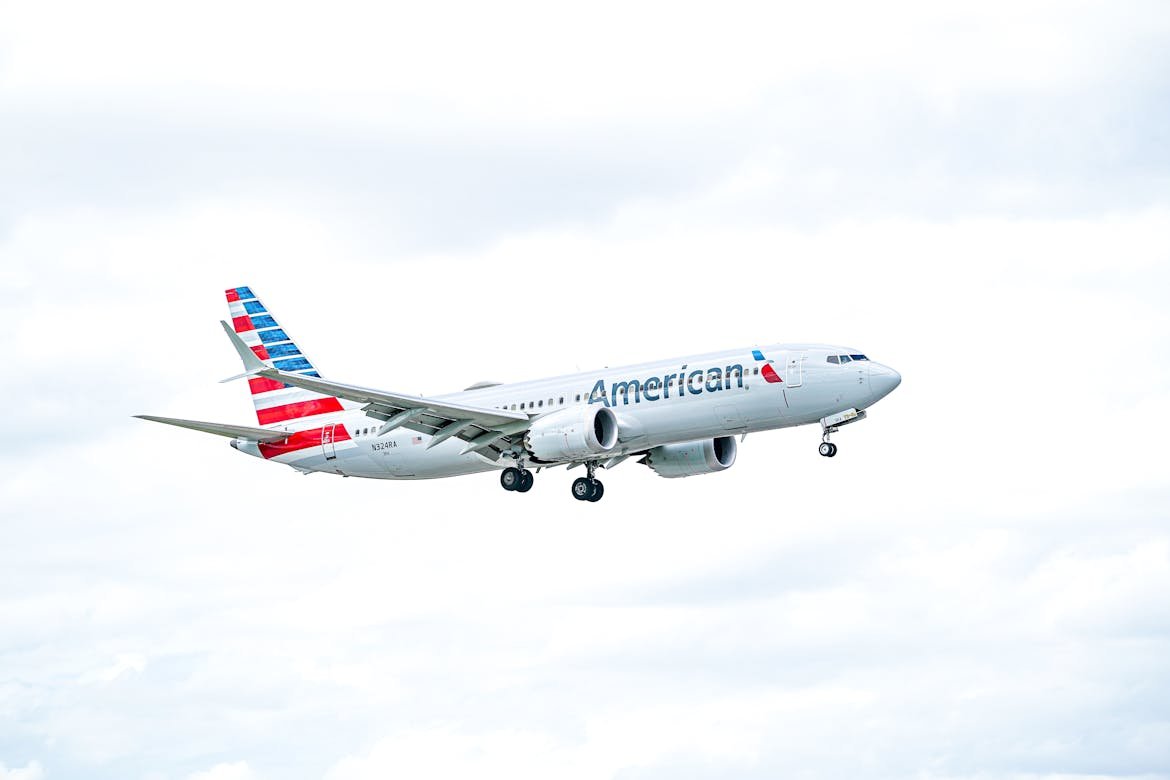
American Airlines is preparing to resume nonstop service between the United States and Venezuela, marking a significant step toward restoring air links suspended since 2019.
By Yuliya Karotkaya
Published:
Updated:
American Airlines prepares to restore U.S.–Venezuela air links after a five-year suspension, signaling renewed connectivity and cautious reopening. Photo: Alfred GF / Pexels
American Airlines has announced plans to resume nonstop service between the United States and Venezuela, positioning itself as the first U.S. carrier to reconnect the two countries since flights were suspended in 2019. The move, which remains subject to government approval and comprehensive security assessments, represents a notable shift in regional aviation after years of limited international access to Venezuela.
The airline said it is working closely with U.S. federal authorities, regulatory agencies, labor partners, and internal teams to ensure that operations can restart safely and responsibly. If approved, the service would allow for daily flights, reopening a vital air bridge for business, leisure, and humanitarian travel that has been largely absent for more than five years. American emphasized that additional route details, including schedules and destinations, will be announced once the necessary clearances are in place.
American has a long operational history in Venezuela, having launched service to the country in 1987. Prior to halting flights in March 2019, the carrier was the largest U.S. airline operating in the Venezuelan market, serving as a key connector for family travel, commerce, and essential services. The suspension followed heightened political instability, U.S. government travel warnings, and safety concerns raised by pilot unions, which led to a near-total withdrawal of U.S. airlines from the country.
The planned return comes amid gradual changes in diplomatic and security conditions that have reopened discussions around limited commercial aviation access. Venezuela has remained largely isolated from major international air networks, with many global carriers reducing or suspending operations over the past decade. A resumption of U.S. flights would mark a meaningful development for travelers who have relied on indirect routings through third countries.
Industry analysts note that American’s decision carries symbolic and practical significance. As the largest U.S. airline by fleet size and network reach, its re-entry could encourage other carriers to reassess the market, provided regulatory and safety benchmarks continue to be met. However, competitors including Delta Air Lines and United Airlines, which suspended their own Venezuela services earlier than American, have not yet indicated similar plans.
American described the restart as part of its broader commitment to maintaining connectivity across Latin America and the Caribbean, where it operates one of the most extensive networks among U.S. airlines. The carrier said restoring Venezuela service would support reunification for families, facilitate humanitarian efforts, and create new opportunities for trade and engagement between the two nations.
While the timeline for the first flight remains uncertain, the announcement alone signals a cautious but notable reopening of a route long considered off-limits. For travelers, businesses, and communities with ties to Venezuela, American’s move represents a potential turning point in regional air travel.
After more than a century of construction, Barcelona’s Sagrada Família enters its final symbolic phase as the monumental cross atop the Tower of Jesus Christ is assembled.
After more than 140 years of continuous construction, Barcelona’s Sagrada Família is entering its most symbolic and visually striking phase. In January 2026, builders installed the fourth and final horizontal arm of the monumental cross that will crown the Tower of Jesus Christ, marking a decisive step toward the basilica’s long-anticipated completion.
Designed by Antoni Gaudí and begun in 1882, the Sagrada Família has evolved from an ambitious local church into one of the world’s most recognisable architectural landmarks and the tallest church ever built.
The completion of the cross places the Sagrada Família firmly in its final vertical form. The basilica surpassed all other churches in height in 2025, reaching 162.9 meters, and once the cross installation is fully finished later in 2026, the structure will rise to its intended height of 172.5 meters.
This moment coincides with the centenary of Gaudí’s death, adding historical and emotional weight to a project that defined his life and legacy.
A Monumental Cross Crowning Gaudí’s Vision
The cross atop the Tower of Jesus Christ is itself a feat of engineering and symbolism. Standing 17 meters tall and spanning 13.5 meters wide, it is roughly the height of a five-storey building. Each of its four horizontal arms weighs approximately 12.8 tonnes and features a complex geometry inspired by Gaudí’s original designs. The outer ends of the arms are square, while the inner sections shift into octagonal forms that connect seamlessly to the tower’s core, reflecting Gaudí’s fascination with natural, twisting structures.
Constructed using white glazed ceramic and glass, the cross was designed to shine both in daylight and after dark. At night, it will be illuminated by spotlights positioned on the surrounding towers of the Evangelists and Apostles, ensuring the pinnacle remains visible across the Barcelona skyline. Inside the cross, a dedicated space will house Agnus Dei, a sculpture by Italian artist Andrea Mastrovito, placed in accordance with Gaudí’s original symbolic plans.
The installation process combines modern technology with traditional craftsmanship. Large prefabricated sections are assembled offsite, then lifted and aligned with extraordinary precision using cranes and digital modelling tools. Once in place, artisans complete the final detailing by hand, ensuring every surface and junction reflects the artistic intent of the original design.
While the installation of the cross represents a historic milestone, it does not mark the absolute end of construction. Work on the expansive Glory Facade, envisioned as the basilica’s main entrance, is expected to continue into the 2030s. Yet the completion of the Tower of Jesus Christ signals the symbolic fulfillment of Gaudí’s vertical vision – a moment many believed would never arrive.
For Barcelona, the nearing completion of the Sagrada Família is more than an architectural achievement. It is the culmination of generations of dedication, faith, and craftsmanship, and a rare example of a living monument finally approaching the form imagined more than a century ago.
Whether it is ever truly “finished” may remain open to interpretation, but in 2026, the Sagrada Família will stand closer than ever to the vision that first inspired its creation.
Holland America Line has revealed its 2027–28 Legendary Voyages, a collection of extended cruises designed for travelers seeking deeper regional exploration and immersive storytelling at sea.
By Yuliya Karotkaya
Published:
Updated:
Holland America Line’s new Legendary Voyages focus on extended itineraries, historic routes, and immersive onboard experiences. Photo: Holland America
Holland America Line has announced its full slate of 2027–28 Legendary Voyages, expanding its portfolio of long-duration cruises aimed at travelers looking for depth, narrative, and extended time in some of the world’s most culturally rich regions. Ranging from 28 to 47 days, the new itineraries build on the cruise line’s tradition of destination-focused journeys that emphasize history, culture, and a slower pace of travel.
The upcoming Legendary Voyages span Alaska, Europe, the Caribbean, South America, the Amazon, and the South Pacific, offering sailings that follow historic routes, commemorate milestones in travel history, or center around rare natural events. According to the cruise line, the program reflects growing demand among experienced cruisers for voyages that feel personal and immersive rather than fast-paced or checklist-driven.
Longer Itineraries Built Around History and Exploration
Among the headline sailings is the return of the 47-day Ultimate Mediterranean & Atlantic Passage, a journey inspired by one of the company’s early 20th-century pleasure cruises. Sailing roundtrip from New York, the itinerary visits more than 20 ports across a dozen countries, combining Western and Eastern Mediterranean highlights with Atlantic crossings and extended port calls that allow for unhurried exploration.
Another standout is the 28-day Pan Am 100th Anniversary Legendary Voyage, which retraces historic aviation routes once flown by Pan American World Airways. Designed as a tribute to the golden age of travel, the sailing weaves through the Caribbean, Mexico, and parts of Latin America, pairing destination visits with themed onboard programming and period-inspired experiences.
The lineup also includes a 28-day Solar Eclipse & Cosmic Port Explorer voyage, timed to allow guests to witness a solar eclipse at sea. This sailing blends astronomical events with destinations linked to archeoastronomy, offering a mix of scientific curiosity and cultural discovery that reflects the narrative-driven nature of the Legendary Voyages concept.
Elevated Onboard Programming and a Global Scope
Across the 2027–28 season, Legendary Voyages place strong emphasis on onboard enrichment that complements time ashore. Guests can expect themed dinners and social events, cultural performances tied to regional itineraries, and a resident classical music ensemble that evokes traditional ocean-liner travel. Creative workshops, religious services, and commemorative touches such as cruise logs and formal gala evenings are designed to reinforce the sense of occasion that defines these sailings.
Beyond the headline itineraries, the collection includes long cruises to Alaska and the Arctic Circle, Viking-themed voyages in Northern Europe, multiple South Pacific crossings, and an updated Amazon Explorer sailing that now operates roundtrip from Fort Lauderdale. Together, these routes highlight Holland America Line’s focus on travelers who value context, storytelling, and continuity over short port stops.
By positioning Legendary Voyages as extended journeys built around a single theme or region, Holland America Line is reinforcing its appeal to seasoned cruisers seeking meaningful engagement with destinations. The 2027–28 program underscores a broader shift in cruise travel toward slower, more intentional exploration, where the journey itself is as important as the places visited.
London Heathrow has scrapped the long-standing 100ml liquid rule after completing a £1 billion rollout of next-generation security scanners, marking a major shift in airport screening.
By Yuliya Karotkaya
Published:
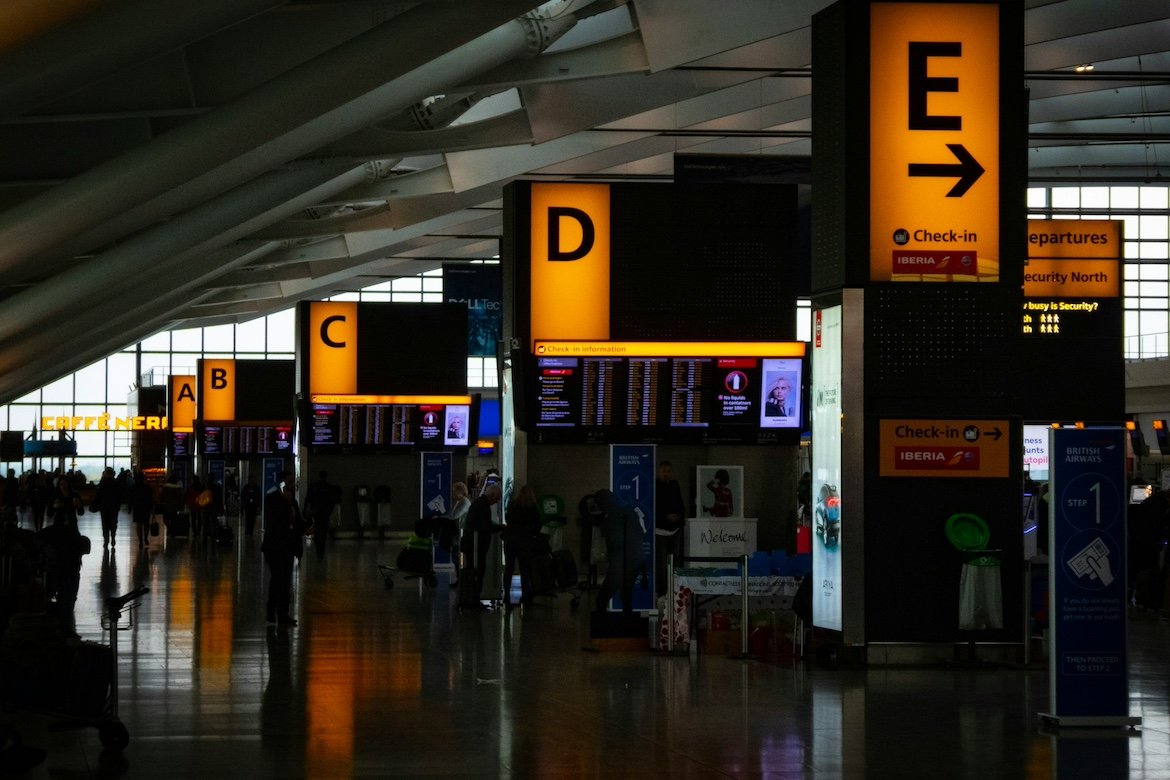
Security screening at Heathrow enters a new era as advanced CT scanners allow liquids and electronics to stay inside carry-on bags. Photo: Nick Fewings / Unsplah
London’s Heathrow Airport has officially scrapped the long-standing 100ml liquid container rule, becoming the world’s largest airport to fully implement next-generation CT security scanners across all terminals.
Passengers departing from Heathrow can now carry liquids in containers of up to two litres directly in their hand luggage and leave laptops and tablets inside their bags, eliminating the need for plastic liquid bags and time-consuming unpacking at security checkpoints. The change marks one of the most significant shifts in airport security procedures in nearly two decades.
The move follows a £1 billion investment in computed tomography scanning technology, similar to that used in medical imaging, which allows security officers to view detailed 3D images of cabin baggage. Heathrow says the upgraded lanes can process thousands of passengers per hour with greater efficiency while maintaining high safety standards. Airport executives also point to environmental benefits, estimating the removal of plastic liquid bags will cut nearly 16 million single-use items annually.
A Long-Delayed Overhaul of UK Airport Rules
The 100ml restriction was introduced in 2006 after a foiled liquid explosives plot and has shaped air travel ever since, defining what many travellers considered the most inconvenient part of flying. Although successive UK governments pledged to remove the rule, progress was slowed by technical challenges and pandemic-related disruptions. Heathrow’s full rollout comes years after initial promises that the rule would be scrapped nationwide.
While Heathrow is now leading the way, the picture across the UK remains uneven. Airports such as Gatwick Airport, Edinburgh Airport, Birmingham Airport, Bristol, and Belfast have already introduced higher liquid limits using similar scanners. However, several other UK airports that have installed CT technology are still awaiting regulatory approval to lift the 100ml cap, meaning travellers may face different rules depending on where their journey begins or ends.
Heathrow has been clear that the relaxed restrictions apply only to departing passengers. Those returning to the UK or transiting through other airports are advised to check local security rules carefully, as many international hubs continue to enforce stricter liquid limits. Consumer groups have also noted that the heightened sensitivity of CT scanners can sometimes lead to more manual bag checks, though Heathrow argues overall queue times have improved significantly.
Beyond passenger convenience, the change reflects growing pressure on major hubs to modernize security as traffic rebounds. Heathrow reported that more than 97% of passengers waited under five minutes at security in 2025, crediting both staffing and technology upgrades. As Europe’s busiest airport, the successful rollout places Heathrow at the forefront of a gradual global shift away from one of aviation’s most iconic – and unpopular – security rules.
Hotel Capstone on the University of Alabama campus will be rebranded as Graduate by Hilton Tuscaloosa, marking a new chapter for the long-standing property.
By Yuliya Karotkaya
Published:
Graduate by Hilton Princeton, part of Hilton’s university-focused lifestyle portfolio, reflects the design-driven approach coming to Tuscaloosa in 2027. Photo: Hilton
Hotel Capstone, a long-standing hotel located on the University of Alabama campus in Tuscaloosa, is set to reopen as Graduate by Hilton Tuscaloosa in 2027. The conversion will bring Hilton’s lifestyle brand for university markets to one of the most prominent college towns in the southern United States, reinforcing the company’s growing focus on campus-adjacent hospitality.
The hotel has historically served as a central venue for university events, visiting faculty, alumni gatherings, and football weekends, making it deeply embedded in campus life. Its transformation into a Graduate by Hilton property signals a strategic repositioning rather than a complete departure from its roots. The rebrand is expected to modernize the guest experience while maintaining close ties to the University of Alabama community.
Graduate by Hilton and the Tuscaloosa Market
Graduate by Hilton is known for its design-forward approach that draws heavily on local culture, school traditions, and regional identity. Properties typically feature interiors inspired by university history, social spaces designed to attract both guests and locals, and a tone that blends nostalgia with contemporary hospitality. In Tuscaloosa, that approach aligns naturally with a city where college athletics, alumni culture, and year-round campus activity drive consistent travel demand.
The Graduate brand became part of Hilton’s portfolio in 2024, following its acquisition of Graduate Hotels. Since then, Hilton has positioned the brand as a cornerstone for larger university markets where demand extends beyond peak seasons. The conversion of Hotel Capstone fits this strategy, allowing Hilton to leverage an existing, well-located property while refreshing its appeal to leisure travelers, business guests, and returning alumni.
Renovation and brand integration are expected to take place over the next two years, with reopening scheduled for 2027. Once completed, Graduate by Hilton Tuscaloosa is expected to play a key role in the city’s hospitality landscape, particularly during major sporting events and university milestones.
A Broader College-Town Strategy
The Tuscaloosa project also comes amid broader brand development efforts within Hilton’s college-focused portfolio. Hilton is preparing to launch a new hotel brand called Undergraduate by Hilton, according to a source familiar with the plans, as Skift reported.
The lifestyle brand will target small college towns and is intended to complement Graduate Hotels, which focus on larger university markets. Undergraduate by Hilton would become Hilton’s 27th brand, featuring a more accessible price point and a simplified operating model designed for secondary and tertiary markets. Launch timing has not yet been determined, the source said.
While Graduate by Hilton Tuscaloosa reflects Hilton’s investment in a major university destination, the planned Undergraduate brand underscores the company’s broader ambition to capture demand across a wider spectrum of college towns.
Together, these initiatives highlight how campus-driven travel continues to shape hotel development strategies, with Tuscaloosa positioned as one of the next beneficiaries of that trend.
Several European countries have warned their citizens to exercise caution when traveling to Minneapolis, citing protests, political tensions, and public safety concerns.
By Yuliya Karotkaya
Published:
European governments warn travelers to exercise caution in Minneapolis as protests and political tensions draw international attention. Photo: Steijn Leijzer / Unsplash
Minneapolis has become the focus of multiple European travel advisories after a series of violent incidents and large-scale protests raised international concerns about safety and public order in the city.
Following the fatal shooting of two protesters during a federal law enforcement operation, demonstrations intensified across Minneapolis, prompting foreign governments to reassess travel guidance for citizens planning trips to the United States.
The situation has drawn attention well beyond U.S. borders, with officials in Europe emphasizing vigilance, awareness of local conditions, and avoidance of large gatherings. While none of the advisories amount to a ban on travel, they signal heightened sensitivity to unrest and a growing perception that parts of the U.S. may present unpredictable risks for international visitors.
European Governments Urge Caution
Germany was among the first to update its travel guidance, with the German Foreign Office warning that demonstrations in Minneapolis and other American cities can escalate into violent clashes with migration and security authorities. German travelers have been advised to closely monitor local media, avoid protest areas, and follow instructions from local authorities. The advisory also references broader domestic political tensions and an increased risk of politically motivated violence in major U.S. cities.
United Kingdom authorities echoed similar concerns, advising British nationals to remain alert and steer clear of any demonstrations. The UK guidance highlights that protests, while often peaceful, can quickly become volatile, especially when law enforcement is involved. Travelers are encouraged to plan carefully, maintain situational awareness, and be prepared for sudden changes to local conditions.
Canada has also updated its advisory for travel to the United States, citing concerns related to enforcement practices, potential border delays, and the possibility of heightened security measures. While not always naming specific cities, the guidance reflects unease about safety dynamics affecting urban areas such as Minneapolis.
Broader Impact on Travel Perception
Additional European countries, including France, Denmark, Finland, and Ireland, have issued or reinforced warnings urging citizens to take extra precautions when visiting the United States. These advisories often point to a combination of public unrest, stricter border enforcement, and evolving security risks as reasons for increased caution.
For Minneapolis, the international scrutiny carries implications beyond immediate safety concerns. Travel advisories from trusted foreign governments can influence tourism decisions, particularly from Europe and Canada, which are important source markets for U.S. travel. Industry analysts note that even advisory language recommending vigilance – rather than avoidance – can affect traveler confidence and booking behavior.
While the U.S. government does not issue travel advisories for its own cities aimed at foreign visitors, the growing number of international warnings highlights how domestic events can rapidly shape global perceptions. For travelers considering Minneapolis in the coming months, the guidance underscores the importance of preparation, flexibility, and awareness in an increasingly complex travel environment.
Wizz Air is launching three new leisure-focused routes from Poland for summer 2026, strengthening direct connectivity to popular seaside destinations in Bulgaria, Italy, and Greece.
By Yuliya Karotkaya
Published:
Wizz Air expands its Polish network with new nonstop summer routes to Southern Europe’s most popular seaside destinations. Photo: Markus Winkler / Pexels
Wizz Air is continuing its expansion in Central Europe with the announcement of three new direct routes from Poland for the Spring and Summer 2026 season, reinforcing the country’s role as a key growth market for the low-cost carrier.
The new services will connect Warsaw Modlin Airport with Varna in Bulgaria and Rimini in Italy, as well as Krakow with the Greek island of Rhodes, offering Polish travelers more nonstop access to established Mediterranean and Black Sea holiday destinations.
The routes from Warsaw Modlin to Varna and Rhodes will operate three times per week, while Rimini will be served four times weekly. All flights will be operated using Airbus A321neo aircraft, reflecting Wizz Air’s strategy of deploying its newest and most fuel-efficient planes on expanding leisure routes. The airline says fares are designed to remain accessible, aligning with its focus on affordable travel for both holidaymakers and visitors traveling to see friends and relatives.
Varna, located on Bulgaria’s Black Sea coast, has become an increasingly popular summer destination thanks to its combination of long sandy beaches, historical landmarks, and a lively cultural scene. Rimini, one of Italy’s most recognizable Adriatic resorts, blends beach tourism with a deep historical heritage dating back to Roman times, while also serving as a gateway to the wider Emilia-Romagna region.
Rhodes, meanwhile, continues to attract strong demand as one of Greece’s most diverse islands, offering medieval architecture, UNESCO-listed sites, and modern resort infrastructure alongside crystal-clear waters.
The new routes further strengthen Warsaw Modlin Airport, where Wizz Air opened a new base in late 2025 and has since accelerated its network growth. From Modlin, the airline already serves a wide range of destinations across Italy, Spain, Greece, Cyprus, Malta, Bulgaria, Norway, and Moldova, positioning the airport as an increasingly important hub for leisure and city-break travel from the Polish capital region. Kraków, one of Poland’s strongest outbound tourism markets, also benefits from the added direct link to Rhodes during peak summer months.
Wizz Air now operates more than 230 routes from Poland to 32 countries and has carried nearly 130 million passengers since launching operations in the country. The airline’s growth is supported by high operational reliability and a modern fleet, with nearly two-thirds of its aircraft already belonging to the A321neo family.
With continued investment in new routes, efficient aircraft, and competitive pricing, Wizz Air is aiming to solidify its position as a leading airline for Polish travelers heading to Southern and Southeastern Europe.
Dubai has officially launched the Dubai Gold District, positioning the emirate as the world’s leading destination for gold, jewellery trade, and luxury shopping, anchored by the future debut of the world’s first Gold Street.
By Yuliya Karotkaya
Published:
Updated:
Dubai Gold District marks a new era for global gold trade, combining luxury retail, tourism, and investment in the heart of the UAE. Photo: Sarim K / Unsplash
Dubai has officially unveiled the Dubai Gold District, a landmark development designed to cement the emirate’s position as the world’s leading centre for gold and jewellery trade.
Launched by Ithra Dubai, the purpose-built district brings together the entire gold value chain under one destination, spanning retail, bullion trading, wholesale commerce, and investment. The initiative reflects Dubai’s long-standing role in the global precious metals market while aligning closely with the Dubai Economic Agenda D33, which aims to strengthen the city’s global competitiveness in trade, tourism, and innovation.
The launch comes at a time when the UAE continues to rank among the world’s most important physical gold trading hubs. In 2024–25, the country exported more than $53 billion worth of gold, making it the second-largest physical gold trading destination globally.
By consolidating traders, brands, investors, and consumers into a unified ecosystem, Dubai Gold District seeks to enhance transparency, efficiency, and global confidence in the emirate’s gold market.
A Unified ‘Home of Gold’ for Global Trade
Dubai Gold District has been positioned as the new “Home of Gold,” offering scale and diversity unmatched by traditional gold markets. The district is home to more than 1,000 retailers across gold, jewellery, perfumery, cosmetics, and lifestyle categories.
Established regional and international brands such as Jawhara Jewellery, Malabar Gold and Diamonds, Al Romaizan, and Tanishq Jewellery anchor the retail mix, while Joyalukkas has announced plans for a flagship store that will be its largest in the Middle East.
What sets the district apart is its ability to attract a remarkably diverse audience. In 2025 alone, shoppers from more than 147 nationalities visited the area, underscoring Dubai’s role as a truly global marketplace. Beyond retail, the district integrates wholesale trade and investment activity, reinforcing Dubai’s reputation as a trusted gateway for gold flows between Europe, Asia, and Africa.
The presence of six hotels with over 1,000 guest rooms further supports international buyers and tourists, enabling longer stays and deeper engagement with the district’s offerings.
Gold Street and the Future of Luxury Tourism
One of the most ambitious elements of the project is the planned introduction of the world’s first Gold Street, a landmark attraction that will be revealed in phases. Designed as both a commercial and cultural icon, Gold Street will incorporate gold into its physical construction, creating a visually distinctive destination intended to draw tourists and investors alike. The concept reflects Dubai’s broader strategy of blending commerce with experiential tourism, transforming traditional retail into immersive destinations.
The Dubai Gold District also strengthens the city’s tourism infrastructure. Improved accessibility through nearby metro stations, proximity to cruise terminals, and the introduction of sightseeing bus routes have positioned the district as a must-visit stop for international visitors. Gold, long woven into Dubai’s cultural and commercial identity, is being reimagined as a driver of sustainable tourism growth and economic diversification.
By uniting heritage, innovation, and global trade under one vision, Dubai Gold District represents more than a retail development. It signals a long-term commitment to shaping the future of the global gold and jewellery industry while reinforcing Dubai’s status as a city where commerce, luxury, and culture converge on a global stage.
Turkish Airlines and Air Montenegro have signed a new codeshare agreement aimed at improving connectivity between Türkiye, Montenegro, and key international markets.
By Yuliya Karotkaya
Published:
Updated:
Aircraft from Turkish Airlines and Air Montenegro on the tarmac, highlighting the new partnership between the two carriers. Photo: Air Montenegro
Turkish Airlines and Air Montenegro have entered into a new codeshare partnership designed to strengthen air connectivity between Türkiye and Montenegro while opening up broader international travel options for passengers. The agreement reflects a growing trend among national carriers to collaborate in order to expand reach, improve flexibility, and support tourism and trade across regions.
Under the arrangement, Turkish Airlines will place its flight code on Air Montenegro-operated services linking Istanbul with Tivat and Podgorica. These routes provide key access points into Montenegro’s Adriatic coast and capital, while also connecting seamlessly with Turkish Airlines’ extensive global network via Istanbul. As one of the world’s leading transfer hubs, Istanbul plays a central role in linking Europe, Asia, and beyond, making the partnership particularly strategic for long-haul and connecting travelers.
Air Montenegro, in turn, will add its flight code to selected Turkish Airlines services, including routes to Dubai and Baku. This move allows the Montenegrin carrier to extend its virtual network well beyond the Balkans, offering customers easier access to major business and leisure destinations in the Middle East and the Caucasus. For Air Montenegro, the agreement represents an important step in strengthening its international presence without the need to launch new long-haul operations.
Executives from both airlines emphasized the broader impact of the partnership. Turkish Airlines highlighted Istanbul’s role as a bridge between continents and noted that the cooperation is expected to generate additional momentum for passenger traffic between Türkiye and Montenegro. Air Montenegro underscored the value of combining its regional focus with a global network, pointing to enhanced destination choices, improved scheduling flexibility, and a higher-quality travel experience for customers.
Beyond passenger convenience, the codeshare agreement is also expected to support wider economic and cultural ties between the two countries. Improved air connectivity can stimulate tourism flows, facilitate business travel, and encourage closer cooperation across sectors. Montenegro, in particular, stands to benefit from easier access for international visitors traveling through Istanbul, while Turkish Airlines gains stronger coverage in a popular Mediterranean market.
The partnership is positioned as a sustainable step forward for both carriers, supporting long-term growth in air traffic between Türkiye and Montenegro. As demand for flexible and well-connected travel options continues to rise, the agreement illustrates how strategic airline collaborations can deliver mutual benefits while enhancing the overall passenger experience.
Southwest Airlines has officially ended open seating, rolling out assigned seats, premium cabin options, and a redesigned boarding process across its network.
By Yuliya Karotkaya
Published:
Updated:
Southwest Airlines marks the end of open seating as assigned seats and premium options debut across its network. Photo: Soly Moses / Pexels
Southwest Airlines has entered a new phase of its history, officially introducing assigned seating across its network and bringing an end to one of the most distinctive features in U.S. aviation.
The change, implemented across all flights, reflects shifting customer expectations and the airline’s broader effort to modernize its business model while unlocking new revenue opportunities. After more than five decades of open seating, the move represents a cultural and operational milestone for both passengers and employees.
The transition began with a symbolic final open-seating redeye flight from Honolulu to Los Angeles, followed hours later by the airline’s first assigned seating departures from San Juan to Orlando and from Manchester, New Hampshire to Chicago Midway.
Southwest marked the moment with gate celebrations and internal recognition events, underscoring the significance of the shift. Company leadership described the launch as the culmination of an 18-month transformation effort designed to give travelers more choice while streamlining the onboard experience.
New Seating Options and Cabin Strategy
Under the new system, Southwest passengers now choose from three seat categories: Extra Legroom, Preferred, and Standard. Extra Legroom seats, located in select rows, are priced at a premium and target travelers willing to pay for additional comfort on longer or business-focused trips. Preferred seats, typically positioned closer to the front of the aircraft, also carry an additional fee, while Standard seats are included with base fares.
This tiered approach brings Southwest closer to the seating models used by other major U.S. airlines and reflects a deliberate push toward higher ancillary revenue. Assigned seating has been available for purchase since mid-2025, with a gradual rollout leading up to full operational use. The airline now charges for seat selection in most cases, marking a clear departure from its historically all-inclusive philosophy.
The seating changes complement other recent updates, including the introduction of a Basic fare option and the end of free checked bags. Together, these moves signal Southwest’s shift toward a more conventional airline structure, designed to appeal to a broader range of travelers while maintaining competitive base fares.
Boarding Changes and Loyalty Impact
Alongside assigned seating, Southwest has replaced its iconic lineup system with a new group-based boarding process. The former A, B, and C boarding columns have been eliminated in favor of eight boarding groups displayed on digital screens at the gate. Passengers now queue in two alternating lanes, with separate areas for pre-boarding and priority customers.
Top-tier Rapid Rewards members, premium fare holders, and Extra Legroom passengers board first, while mid-tier loyalty members and co-branded credit card holders follow in the middle groups. Travelers on Basic and lower-tier fares board last unless they qualify for earlier access through status or seat selection. The revised system is designed to reduce gate congestion and align boarding order more closely with seat assignments.
For Southwest, the changes represent a balancing act between preserving brand loyalty and adapting to market realities. While some longtime customers may miss the flexibility of open seating, the airline is betting that clarity, comfort options, and smoother boarding will resonate with today’s travelers. As assigned seating becomes the new norm, Southwest’s experiment will be closely watched across the industry.
As the Winter Olympics return to Italy, Cortina d’Ampezzo is once again capturing global attention, blending elite sport, alpine scenery, and refined mountain culture.
By Yuliya Karotkaya
Published:
Updated:
Cortina d’Ampezzo, known as the Pearl of the Dolomites, combines dramatic alpine scenery with Olympic heritage and refined mountain living. Photo: Luca Luperto / Pexels
Set high in northern Italy, Cortina d’Ampezzo has long been synonymous with alpine glamour, dramatic scenery, and elite winter sport. Often called the Pearl of the Dolomites, the town first entered the global spotlight when it hosted the Winter Olympics more than 70 years ago.
In 2026, Cortina is ready for a second act, returning as a key host venue for the Winter Games and reaffirming its place among Europe’s most iconic mountain destinations. Surrounded by the jagged limestone peaks of the Dolomites, Cortina balances sporting heritage with a lifestyle that feels as polished as it is outdoorsy.
The town’s appeal goes well beyond ski racing. Cortina combines direct access to the slopes with a lively town center, a refined dining scene, and a sense of old-world exclusivity that has attracted artists, aristocrats, and international jet-setters for decades.
Its role in the upcoming Olympics builds on that reputation, positioning Cortina not just as a competition venue, but as a cultural and social hub during the Games.
Cortina d’Ampezzo and the Olympic Experience
During the Winter Games, Cortina will host several headline events, including Alpine skiing, curling, and the sliding sports of bobsleigh, luge, and skeleton. While the Opening Ceremony will take place in Milan and the Closing Ceremony in Verona, Cortina will be one of the most visible mountain stages of the Games. Olympic infrastructure has been designed to integrate into the existing landscape, preserving the town’s character while supporting a global event.
Even visitors without event tickets will feel the Olympic presence. Central areas such as Corso Italia and Piazza Angelo Dibona are expected to be focal points for public gatherings, cultural programming, and athlete appearances. The compact, largely pedestrian town center allows visitors to move easily between hotels, restaurants, and viewing areas, while public transport links connect the center with competition venues on the surrounding slopes.
Mountain Life Beyond the Competition
Cortina’s identity is rooted in its landscape. As part of the vast Dolomiti Superski network, the resort offers access to hundreds of miles of ski runs in winter, while summer transforms the same terrain into a playground for hiking, cycling, and climbing. Iconic excursions include panoramic cable car rides to high-altitude viewpoints and classic hikes beneath towering limestone peaks that feel dramatic yet surprisingly accessible.
The town also offers a slower, more indulgent rhythm for those less focused on sport. Wellness resorts and spas draw inspiration from alpine traditions, while boutique shopping and artisanal craftsmanship reflect Cortina’s blend of Italian and Tyrolean heritage. Dining ranges from rustic mountain huts serving local specialties to refined restaurants that have helped put the town on the European culinary map.
When to Visit and How to Experience Cortina
Winter remains the most famous season, particularly from January to March, when snow conditions are at their best and the social scene is at its liveliest. The Olympic period in February 2026 will be especially busy, with accommodation in high demand and prices reflecting the global spotlight. Travelers seeking a quieter experience often favor early summer or early autumn, when long daylight hours and crisp mountain air create ideal conditions for outdoor exploration without peak-season crowds.
Cortina is typically reached by road from nearby airports, with travel times making it accessible yet still feeling pleasantly removed from major cities. Once in town, its walkable center and local transport options make it easy to explore without a car.
As Cortina d’Ampezzo prepares to host the world once again, it does so with confidence shaped by history. The Olympics may be the headline, but it is the enduring blend of landscape, lifestyle, and culture that ensures Cortina’s place long after the final medals are awarded.
Join our list to receive latest Blockchain, Crypto & Fintech news:
WordPress database error: [Table 'u752143311_aXVuj.wp_coingecko_coins' doesn't exist]
            SELECT coins.*, meta.post_id as post_id
            FROM `wp_coingecko_coins` coins
            INNER JOIN wp_postmeta meta ON (meta.meta_key = 'wpcf-coin-main-tag' AND meta.meta_value = coins.slug )
            ORDER BY market_cap_usd
            DESC LIMIT 9