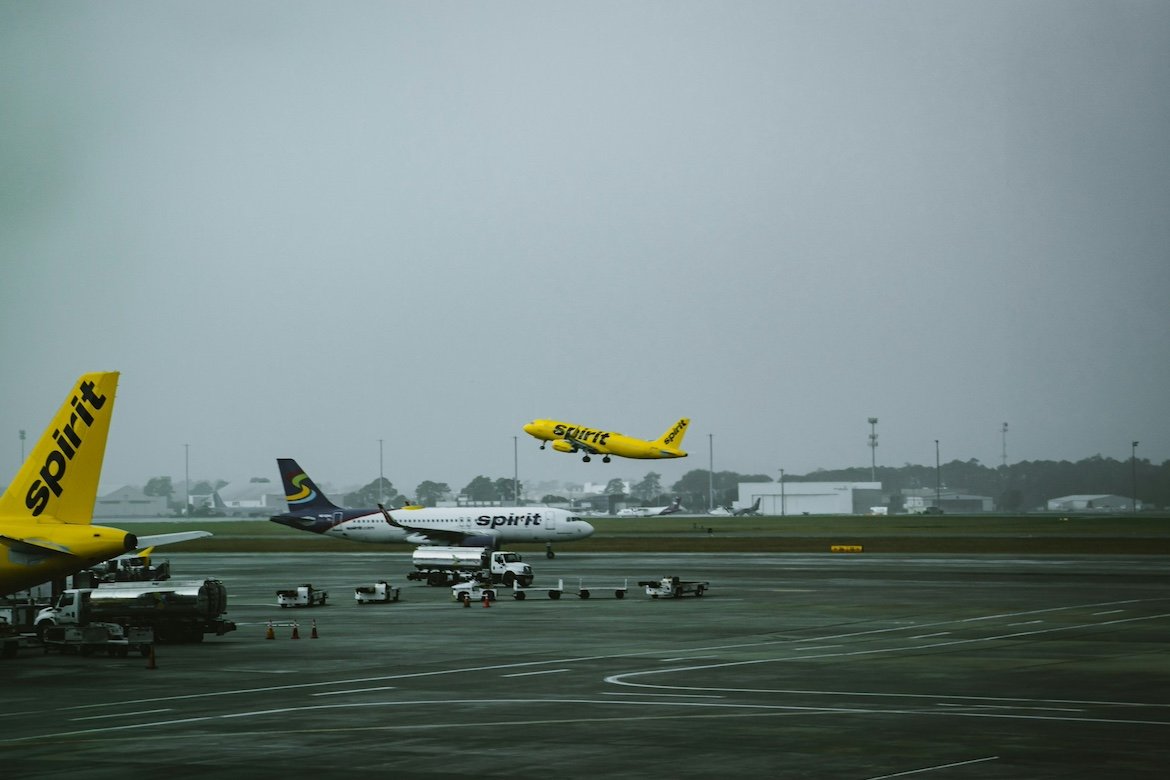
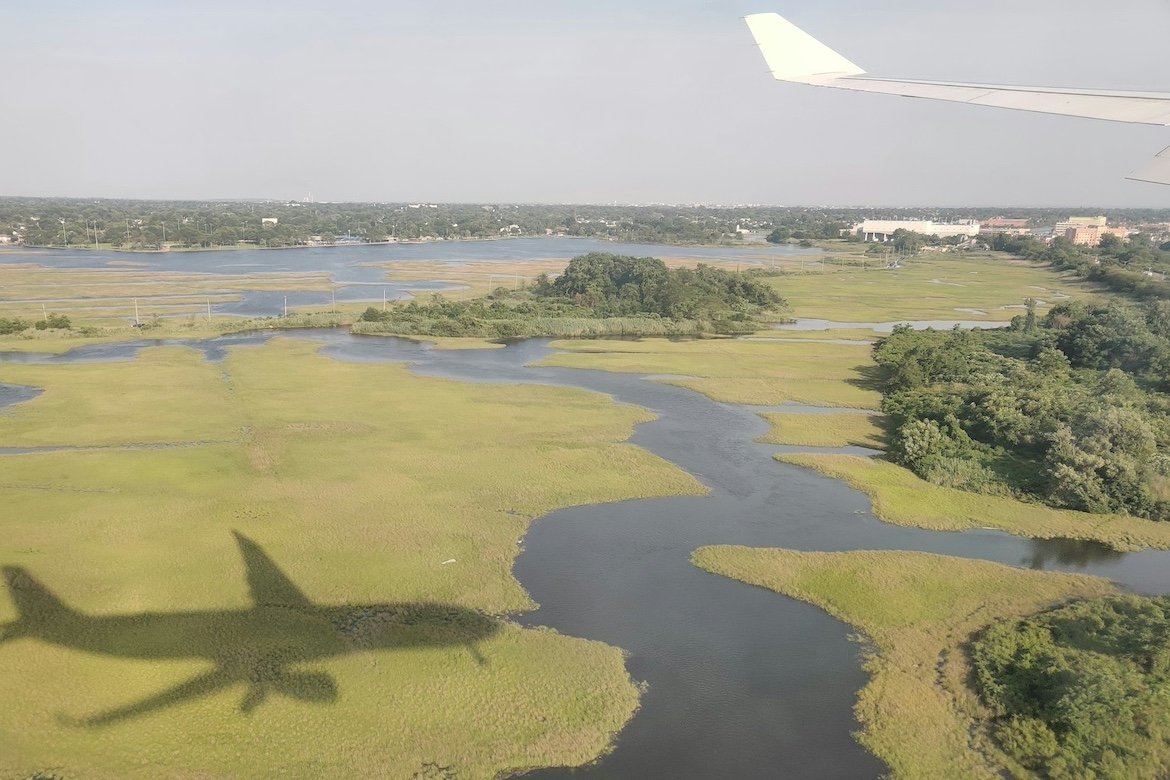
Spirit Airlines will cut 87 planes from its fleet as part of a major restructuring effort. The move is expected to reshape operations and reduce costs during its ongoing bankruptcy process.
By Yuliya Karotkaya
Published:
Updated:
Spirit Airlines announces fleet reduction as part of restructuring efforts. Photo: Brice Cooper / Unsplash
Spirit Airlines is taking another dramatic step in its ongoing restructuring by announcing plans to reduce its fleet by 87 aircraft. The decision, confirmed by the company’s leadership, comes as the carrier struggles to stabilize operations under the weight of bankruptcy protection.
For one of America’s most prominent low-cost airlines, the move represents both a significant cutback and an attempt to rebuild on firmer financial ground.
Fleet Reduction and Strategic Impact
The reduction means Spirit will reject leases on dozens of planes, drastically reshaping its future route map and schedule. By trimming the fleet, the airline hopes to lower operating costs, improve efficiency, and match capacity with current demand levels. Executives argue that operating a smaller, more focused fleet will give the airline greater flexibility as it seeks a path back to profitability.
Spirit’s low-cost model depends on high aircraft utilization and aggressive expansion, but the financial pressures of rising costs and mounting debt have forced a change in strategy. With nearly 100 aircraft leaving service, certain city pairs and less profitable markets are likely to be abandoned. While some routes may be taken over by competitors, others could simply vanish, limiting options for travelers who rely on Spirit’s low fares.
This restructuring phase highlights the challenges for budget carriers operating in a volatile market, where small shifts in costs or demand can create outsized pressures. Spirit’s leadership insists, however, that this is not the end of its ultra-low-cost vision but a recalibration of its growth trajectory.
Broader Challenges and Future Outlook
The fleet cuts also raise questions about Spirit’s long-term competitiveness. Other low-cost carriers, including Frontier and Allegiant, continue to grow aggressively, filling the gaps left behind by Spirit’s pullback. Industry analysts warn that downsizing on this scale could make it harder for Spirit to quickly bounce back when demand recovers fully.
Passengers, meanwhile, face uncertainty as flight schedules are adjusted. Many travelers have come to rely on Spirit for budget-friendly fares, particularly on routes to leisure destinations in Florida, the Caribbean, and Latin America. With fewer aircraft available, those options will shrink, and prices across the market could rise.
This isn’t the first major cutback Spirit has announced in recent months. We recently wrote about this in our article on Spirit Airlines staff furloughs, where workforce reductions were highlighted as a key part of restructuring. Now, with the fleet reduction, it is clear the company is pursuing a comprehensive reset, cutting both operational capacity and staffing levels in tandem.
Despite the turbulence, Spirit maintains that it intends to remain a key player in the U.S. low-cost market. Executives continue to emphasize their commitment to offering affordable travel once the restructuring is complete. Whether the airline can achieve this balance while operating with a smaller fleet remains to be seen, but its future will depend on careful execution and a more disciplined approach.
For now, Spirit Airlines passengers, employees, and industry watchers are left to monitor how these deep cuts reshape not just the airline but the competitive landscape of low-cost travel in the United States.
Universal Orlando will reopen the Stardust Racers ride just weeks after a tragic accident, with new safety measures and operational reviews in place.
By Yuliya Karotkaya
Published:
Updated:
Universal Orlando prepares to welcome guests back to the Stardust Racers ride after a period of closure. Photo: Guneet Jassal / Unsplash
Universal Orlando is preparing to reopen the Stardust Racers ride just weeks after a tragic incident that claimed a man’s life. The high-speed attraction, one of the resort’s newest and most ambitious rides, was temporarily shut down while safety investigations were carried out. Now, with new protocols in place, the park has confirmed that it will welcome guests back to the ride later this month.
The decision comes after weeks of close scrutiny from both regulators and the public. Universal officials have stressed that rider safety remains their top priority. According to statements from the park, extensive inspections were conducted, engineers reviewed all systems, and updated safety training has been rolled out for ride operators.
For many visitors planning trips to Orlando, the reopening marks a significant moment, as the Stardust Racers had quickly become a fan favorite before its sudden closure.
New Safety Measures Implemented
In response to the tragedy, Universal Orlando has introduced a set of heightened safety procedures. These include updated restraints, reinforced track inspections, and more rigorous operational protocols before each ride begins. Staff members have undergone additional training designed to identify potential risks quickly and ensure every passenger is securely seated before launch.
Park management emphasized that they collaborated closely with independent safety experts to review the attraction. The goal, they explained, was not only to resolve the issue that led to the fatal incident but also to set a higher standard for amusement park safety overall.
For families visiting Orlando, these updates are intended to rebuild trust. Universal is aware that the tragic event raised concerns about theme park rides, and by prioritizing safety, they aim to reassure visitors who come from around the world to experience its attractions.
Balancing Excitement with Safety
Stardust Racers is known for its fast-paced design, simulating a cosmic race through the stars. Riders experience high speeds, sharp turns, and dramatic drops, making it one of the resort’s headline attractions. The challenge for Universal now is balancing the thrill of the experience with new safety expectations.
Industry experts note that amusement parks face increasing pressure to maintain strict safety standards while continuing to innovate with bigger, faster, and more immersive rides. Universal Orlando, as one of the leading theme park destinations, plays a central role in shaping those standards.
Visitors returning to the park will find the ride operating with slightly longer loading times, reflecting the additional safety checks in place. While some may notice these changes, most are expected to welcome them as a sign of greater accountability and care.
A New Chapter for Universal Orlando
The reopening of Stardust Racers is more than just the return of an attraction – it symbolizes Universal Orlando’s effort to restore confidence among its guests. For the city of Orlando itself, where tourism is a vital part of the local economy, ensuring visitors feel safe is crucial.
As the park prepares to relaunch the ride, excitement is already building among fans eager to experience the attraction again. The tragedy remains a somber reminder of the risks involved, but with stronger safeguards in place, Universal Orlando hopes the Stardust Racers can once again become a highlight of the resort experience.
Avelo Airlines has introduced ‘Avelo Plus,’ a new membership program designed to offer travelers added flexibility, savings, and exclusive benefits.
By Yuliya Karotkaya
Published:
Updated:
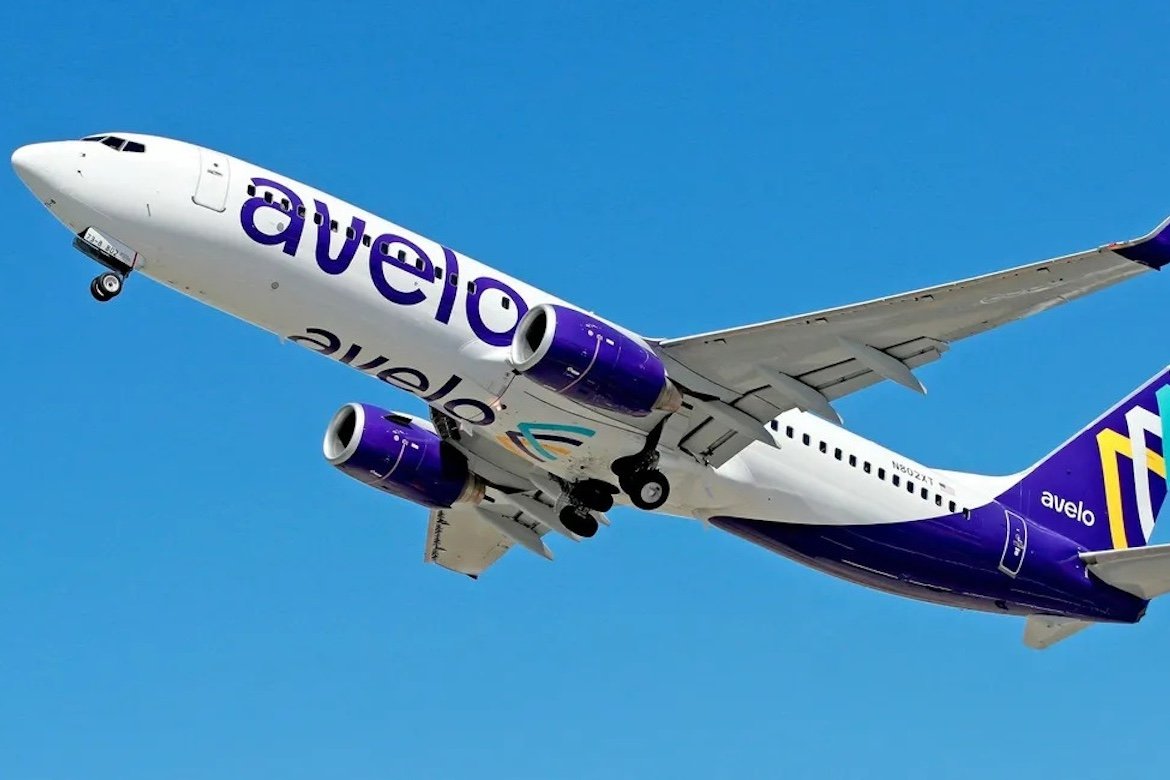
Avelo Airlines introduces 'Avelo Plus' to offer members extra savings and travel benefits. Photo: Avelo Airlines
Avelo Airlines has unveiled a new membership program called “Avelo Plus,” aimed at giving travelers more savings and flexibility across its expanding U.S. network. The program marks another step in Avelo’s growth strategy, building on its identity as a low-cost carrier that connects travelers to smaller, underserved airports while offering affordable fares.
The launch of Avelo Plus underscores the airline’s ambition to go beyond just price competition. Instead, Avelo is seeking to enhance customer loyalty by providing added perks that appeal to both frequent flyers and leisure travelers.
Key Benefits for Members
The Avelo Plus membership comes with several advantages designed to improve the travel experience. Members can access exclusive fare discounts, which can be especially valuable for passengers booking multiple trips during the year. The program also eliminates change fees, giving travelers peace of mind when adjusting their plans.
Other features include priority boarding, early seat selection, and savings on checked and carry-on luggage. These benefits address common pain points for budget travelers, making the overall experience more convenient while still keeping costs low.
Avelo says the membership quickly pays for itself, especially for those who fly even a few times per year. By blending affordability with flexibility, the airline is positioning Avelo Plus as an attractive option for travelers who want low fares without hidden compromises.
Connecting Membership to Avelo’s Bigger Growth Plan
The timing of the membership rollout comes as Avelo prepares for a major fleet expansion. We recently reported on Avelo’s landmark order of up to 100 Embraer E195-E2 jets, a deal valued at nearly $5 billion. That announcement signaled the airline’s commitment to scaling up operations across the U.S. and potentially new international routes.
Seen together, Avelo Plus and the aircraft order point to a broader vision: creating a sustainable, competitive low-cost airline that combines network growth with enhanced customer offerings. The membership program could help lock in a base of loyal passengers who will benefit directly from the increased capacity the new jets will provide.
A New Phase for Low-Cost Travel
Avelo Airlines has consistently framed itself as an innovator in the low-cost travel space, and the introduction of Avelo Plus reflects this positioning. By balancing affordability with added perks, the airline is addressing a growing demand for budget options that still deliver value and flexibility.
For passengers, the message is clear: Avelo wants to make low-cost flying not just cheaper, but smarter. With a bigger fleet on the horizon and programs like Avelo Plus rolling out, the airline is signaling confidence in its ability to compete in an increasingly crowded market.
At 35, Cepee Tabibian left Texas for Spain in search of a slower, more fulfilling life. Today, she inspires others to make the same leap.
By Yuliya Karotkaya
Published:
Updated:
Cepee Tabibian built a new life in Spain and now guides others through the process of moving abroad. Photo: Cepee Tabibian
When Cepee Tabibian boarded a plane to Madrid in her mid-30s, she wasn’t running away – she was running toward the life she wanted. Growing up in Houston, Texas, Cepee had built what many might consider a “successful” career in the U.S. corporate world. But inside, she felt restless. Long hours, little vacation, and the relentless grind left her drained. What she craved was a sense of balance, adventure, and connection.
Her move, now more than a decade ago, was not without risk. Leaving behind stability for an uncertain future abroad was daunting. But for Cepee, the thought of not pursuing this dream felt even scarier. That one decision transformed her life and has since inspired thousands of others.
A Different Rhythm in Spain
Settling in Madrid, Cepee quickly discovered the stark differences between American and Spanish lifestyles. Workdays were shorter, mealtimes longer, and community gatherings a daily norm. Where the U.S. often prioritized productivity at all costs, Spain emphasized quality of life.
Instead of powering through 60-hour workweeks, she found herself savoring long lunches, enjoying spontaneous weekend trips across Europe, and having more time for creativity. What struck her most was the energy she regained from this slower rhythm. “I never realized how much I had been running on empty until I stopped,” she has often reflected in interviews.
This balance – between work, rest, and play – is what Cepee believes draws so many Americans to Spain today. From sunny Andalusian towns to bustling cities like Barcelona, expats are finding the chance to rewrite their stories in a country that values living well.
From Personal Leap to Global Community
Cepee’s story didn’t end with her own relocation. In fact, it was only the beginning. As she shared her journey online, she discovered countless others who were dreaming of a similar change but didn’t know where to start. That realization sparked her to co-found She Hit Refresh, a global community dedicated to helping women move abroad and redesign their lives.
Through this platform, and later her book “I’m Outta Here! An American’s Ultimate Visa Guide to Living in Europe”, Cepee began equipping people with the tools and confidence to take the same leap she once did. Her message was clear: moving abroad isn’t just for the wealthy, the retired, or the lucky few – it’s possible for anyone willing to step outside their comfort zone.
Today, Cepee runs a relocation agency that helps Americans navigate the practical and emotional challenges of moving overseas. From visa applications to cultural integration, she offers guidance grounded in her own experience of starting fresh. Her clients often say the most valuable part isn’t just her expertise, but her reassurance that life on the other side of fear is worth it.
Inspiring a Shift in Priorities
Stories like Cepee’s highlight a broader trend: more Americans are rethinking what success looks like. For many, the high salaries and long hours of U.S. life no longer outweigh the stress, burnout, and lack of free time. Instead, they are seeking places where they can enjoy simple pleasures, prioritize health, and reconnect with themselves.
Spain consistently ranks high on their list. Affordable living, world-class healthcare, and a vibrant cultural scene make it appealing for those ready to trade commutes and cubicles for cafés and cobblestone streets.
Cepee’s journey reflects this shift in mindset. What began as a personal escape has evolved into a mission to help others rewrite their futures. Her story is not just about moving countries – it’s about moving toward a life filled with possibility, community, and joy.
As more Americans continue to dream of life abroad, Cepee’s path stands as proof that sometimes the boldest step we can take is also the most rewarding.
A European destination management company has unveiled a luxury tour operator brand, debuting with curated itineraries across France, Italy, Spain, and beyond.
By Yuliya Karotkaya
Published:
Luxury travel experiences designed across Europe’s most iconic destinations, such as Tuscany and others. Photo: Mikhail Nilov / Pexels
A leading European destination management company is moving into the luxury travel space with the launch of its own tour operator. This new venture reflects the growing appetite for bespoke journeys across the continent, where travelers are no longer content with standard itineraries but expect exclusivity, flexibility, and local expertise.
The operator debuts with a portfolio of high-end programs, each designed to highlight the culture, cuisine, and landscapes of Europe’s most in-demand regions. By combining private access, luxury accommodations, and curated experiences, the company is positioning itself as a serious contender in the competitive world of premium travel.
Exclusive Itineraries Across Europe
Among the first itineraries announced are journeys through France’s wine regions, where guests can enjoy private tastings at Bordeaux’s most prestigious châteaux and dine in Michelin-starred restaurants in Burgundy. Italy is another highlight, with tailored routes through Tuscany’s hill towns, private gondola rides in Venice, and exclusive after-hours access to Rome’s ancient monuments.
In Spain, travelers will be offered curated experiences along the Andalusian trail, blending flamenco performances, tapas tours in Seville, and luxury stays in restored palaces. For those seeking coastal escapes, the Balearic Islands will feature yacht charters and private beach club access.
Beyond Western Europe, the operator also plans itineraries in Central and Eastern Europe. These include luxury river cruises on the Danube, visits to Prague’s baroque palaces, and curated culinary experiences in Budapest. The emphasis is on blending authenticity with comfort, ensuring every trip feels both personal and exceptional.
Setting a New Standard in Luxury Travel
By moving into the luxury segment, the company aims to redefine how destination management firms can operate. With years of expertise behind the scenes, managing logistics for global operators and events, it now brings that insider knowledge directly to travelers. This allows for unique offerings such as behind-the-scenes access to cultural festivals, private meetings with artisans, or stays in heritage properties rarely available to the public.
The operator is also positioning itself as a responsible player in the luxury market. Each itinerary is crafted with sustainability in mind, from working with eco-conscious hotels to ensuring that local communities benefit directly from tourism. This balance between indulgence and responsibility is increasingly important for today’s affluent traveler.
Industry analysts suggest that this move could inspire other DMCs to follow suit, turning their deep regional networks into consumer-facing brands. With the luxury travel sector projected to keep growing, especially in Europe, the launch of this operator comes at the right moment to capture a discerning audience.
British Airways will launch nonstop flights between London and St. Louis, Missouri in 2026, reconnecting the Midwestern city to Europe with a direct transatlantic link.
By Yuliya Karotkaya
Published:
Updated:
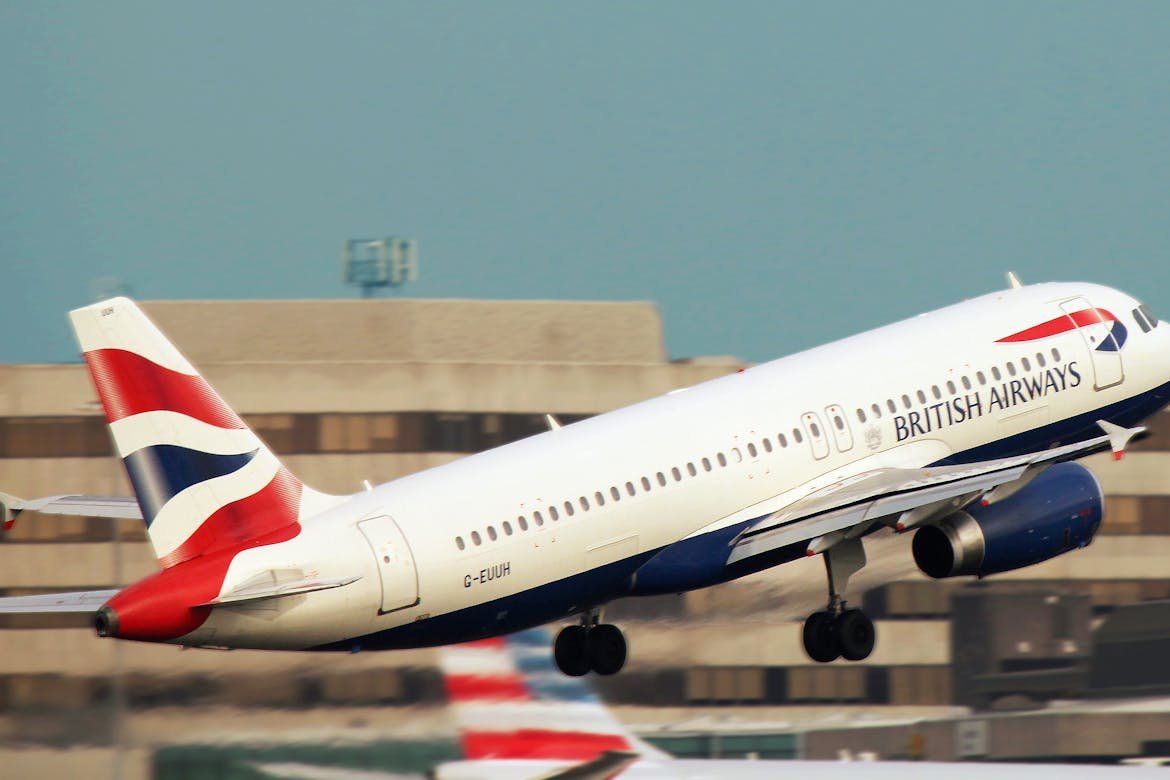
British Airways will connect London and St. Louis with new direct flights in 2026. Photo: Pixabay / Pexels
British Airways has announced it will begin nonstop flights between London and St. Louis, Missouri in 2026. This marks a major milestone for the Midwestern city, which has long awaited the return of direct transatlantic service. The move will link St. Louis more closely with Europe and provide new opportunities for both leisure and business travelers.
The decision reflects growing demand for connectivity between the United States’ Midwest and Europe. St. Louis, with its expanding business sector and cultural appeal, has become an attractive destination for airlines looking to diversify their networks. For British Airways, the route also strengthens its North American portfolio, which remains one of the airline’s most important international markets.
A Boost for St. Louis
For St. Louis, this route is more than just a flight – it represents an important step in elevating the city’s profile on the global stage. Local officials and tourism boards have highlighted the potential economic benefits, predicting increases in international tourism, conventions, and investment opportunities. Businesses in industries such as biotechnology, healthcare, and financial services are also expected to benefit from more seamless travel options to Europe.
Travelers will now have an easier time reaching London, one of the world’s most connected hubs. From there, British Airways passengers can transfer to dozens of destinations across Europe, Africa, and Asia, making the new route a gateway to the wider world. For residents of Missouri and surrounding states, this connection means less reliance on connecting flights through Chicago, New York, or other major hubs.
Expanding the Transatlantic Network
British Airways’ decision to add St. Louis follows a broader trend of carriers targeting underserved U.S. cities for international expansion. As the demand for travel continues to rise post-pandemic, airlines are rethinking their strategies to meet new market opportunities. The St. Louis route is expected to operate several times per week, depending on seasonal demand.
The addition also strengthens the carrier’s position against competitors in the transatlantic market. With a growing focus on secondary U.S. markets, airlines are finding opportunities to capture demand from regions previously overlooked by direct international services. St. Louis now joins the list of U.S. cities benefiting from renewed interest in long-haul connections.
While detailed schedules and ticket prices are yet to be announced, excitement is already building in Missouri. The new service not only provides convenience but also reinforces the importance of St. Louis as a center for both culture and commerce.
With its iconic Gateway Arch, vibrant neighborhoods, and thriving industries, St. Louis is poised to welcome more international visitors in the years ahead. For travelers heading in the other direction, the route also offers London as a direct gateway, making it easier to explore the heart of Europe.
British Airways’ new service is expected to begin in summer 2026, ushering in a fresh chapter for St. Louis’ international connectivity.
Southwest Airlines is set to expand its network with a new route to Anchorage, Alaska, beginning in 2026, connecting the “Great Land” to more U.S. travelers.
By Yuliya Karotkaya
Published:
Updated:
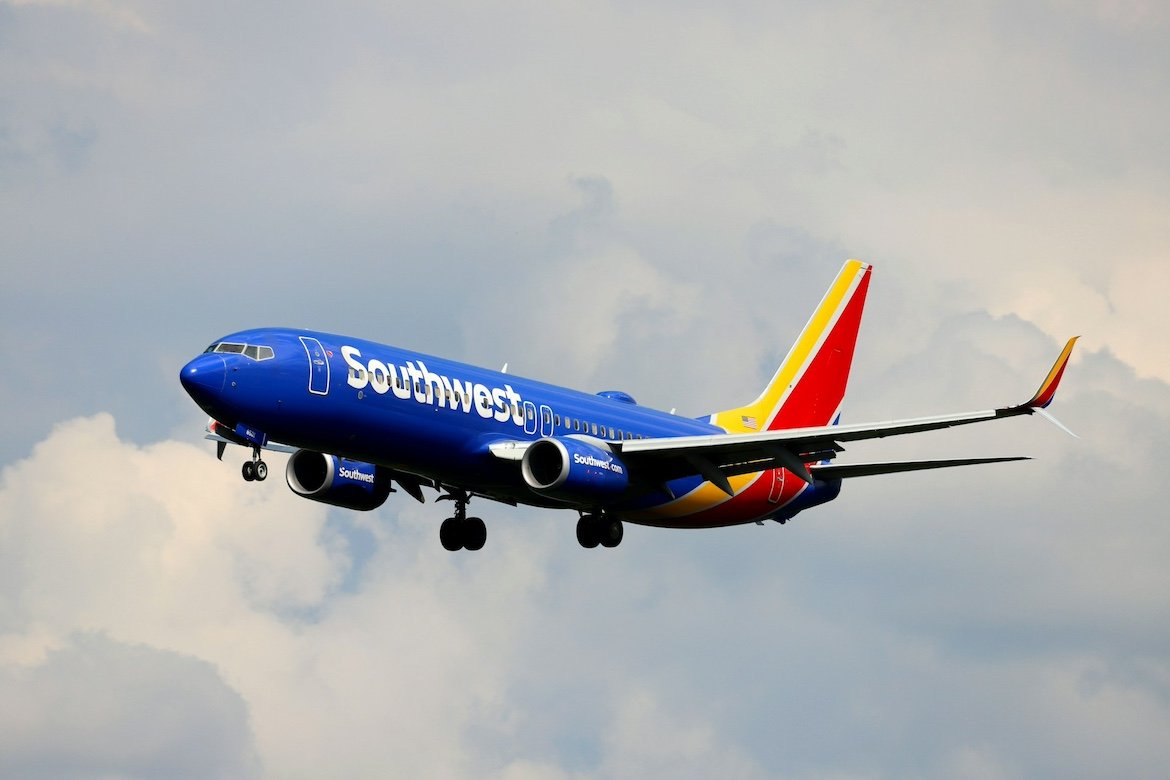
Anchorage will become part of Southwest Airlines’ network in 2026, opening new travel opportunities. Photo: Forsaken Films / Unsplash
Southwest Airlines is taking a major step into new territory with the announcement of its first service to Anchorage, Alaska, beginning in 2026. The move marks a significant expansion for the carrier, which has historically focused on U.S. domestic and leisure-heavy markets in the Lower 48 states.
By adding Alaska to its growing list of destinations, Southwest aims to capture a share of one of America’s most unique and increasingly popular travel markets.
The airline has described Alaska as “The Great Land,” emphasizing both its natural beauty and strong appeal for travelers seeking outdoor adventure. With Anchorage as the entry point, Southwest will offer travelers more affordable and convenient options for reaching Alaska, a state long dominated by legacy carriers and regional airlines.
A Strategic Step North
Anchorage’s addition to the Southwest network highlights the airline’s focus on diversification. For decades, Southwest has concentrated on high-demand, short- and medium-haul markets, but in recent years it has stretched its reach to include Hawaii and international leisure routes. The move into Alaska represents another bold step in broadening its footprint.
The route is expected to cater to a mix of leisure travelers and those seeking more budget-friendly options compared to existing carriers. Alaska’s tourism industry continues to thrive, with strong demand for adventure travel, cruises, and cultural experiences. By entering this market, Southwest is positioning itself as a key player in meeting that demand while challenging established competitors.
Anchorage also provides an important strategic hub within Alaska itself. From the city, travelers can easily connect to smaller communities, national parks, and cruise departure points. Southwest’s ability to deliver competitive fares and frequent service could open Alaska to a wider segment of travelers who previously found visiting too costly or complex.
Expanding Opportunities for Travelers
For passengers, the new Anchorage service signals greater flexibility in planning trips to Alaska. The addition of Southwest’s customer-friendly policies – such as no change fees and two free checked bags – will likely be a strong draw for families and budget-conscious adventurers.
The route also adds a competitive edge to the Alaska market, where fares have traditionally been higher. Increased competition often leads to better prices and improved service, meaning travelers could benefit significantly from Southwest’s entry.
Beyond leisure, Anchorage serves as a critical point for business travel and freight operations, given its geographic position as a major cargo hub. Southwest’s expansion could eventually extend beyond passenger service, tapping into Alaska’s growing role in global trade and logistics.
As the airline prepares for its 2026 launch, details such as flight frequencies, departure cities, and schedules are still to be finalized. However, the announcement alone underscores Southwest’s commitment to evolving from a domestic-only carrier into a more versatile player with reach across diverse regions.
With Anchorage joining the map, Southwest Airlines is signaling to both travelers and competitors that it is ready to explore new horizons, offering fresh opportunities to connect America with one of its most remarkable destinations.
The U.S. Travel Association’s latest forecast shows steady travel growth in 2025 but warns of potential risks to the economy and job market.
By Yuliya Karotkaya
Published:
Updated:
Travel industry forecasts point to steady growth but also underline key challenges ahead. Photo: Andrei Tanase / Pexels
The U.S. Travel Association has released its updated forecast for the travel industry, painting a picture of continued growth but also cautioning against looming threats that could impact both the economy and employment.
The report highlights that travel demand is strong, fueled by international visitors, corporate travel recovery, and a surge in domestic leisure activity. At the same time, structural challenges remain that could slow momentum in the coming years.
Growth Driven by Leisure and International Demand
One of the key takeaways from the forecast is that domestic leisure travel continues to serve as the backbone of the U.S. tourism economy. Families, solo travelers, and adventure seekers are still prioritizing vacations, even as inflationary pressures weigh on household budgets. The willingness of Americans to invest in travel experiences shows no signs of fading, underscoring the sector’s resilience.
International arrivals are also expected to strengthen, contributing significantly to overall growth. The U.S. is regaining ground as a top global destination, with long-haul visitors boosting spending in cities like New York, Los Angeles, and Miami. Meanwhile, business and group travel are steadily rebounding as companies renew in-person events and conferences.
The Association anticipates that by late 2025, international travel spending will surpass pre-pandemic levels, providing a critical boost to hotels, airlines, and attractions.
Challenges Ahead for the Travel Sector
Despite this positive outlook, the forecast also identifies several threats that could dampen progress. Economic uncertainty remains the most pressing issue, with the possibility of slower GDP growth reducing consumer confidence and discretionary spending. The Association warns that if economic conditions tighten, leisure travel could become more vulnerable, particularly for middle-income households.
Job security is another concern. The travel industry supports millions of U.S. jobs, but staffing shortages in hospitality, aviation, and other travel services persist. This labor gap could undermine the industry’s ability to meet rising demand, creating bottlenecks and higher costs for travelers.
Additionally, infrastructure and policy challenges – from outdated airport facilities to visa processing delays – pose risks to sustaining international growth. The Association emphasizes the need for strategic investment in infrastructure and policy reforms to secure long-term competitiveness.
For local economies, the stakes are high. Travel contributes significantly to state and regional tax revenues, and a slowdown could directly affect public budgets. The Association is calling on policymakers to prioritize measures that protect this vital sector and ensure its continued role as a driver of economic opportunity.
The Eiffel Tower closed its doors as nationwide strikes swept across France, disrupting transport, daily life, and the country’s most visited landmark.
By Yuliya Karotkaya
Published:
Updated:
The Eiffel Tower temporarily closed during nationwide strikes in France. Photo: Pixabay / Pexels
Nationwide strikes have once again gripped France, forcing the temporary closure of the Eiffel Tower and creating widespread disruptions across the country. We already wrote earlier about how French strikes affected European air travel, and now the unrest has spread even further, directly impacting both daily life and tourism.
The latest demonstrations were triggered by government spending cuts that unions argue will undermine public services and strain workers. With tens of thousands joining the protests, the strikes have brought parts of France to a near standstill, leaving both residents and visitors struggling to adjust.
A Symbolic Landmark Falls Silent
The closure of the Eiffel Tower has become one of the most visible symbols of the strikes. As the most visited monument in Paris, welcoming millions of tourists every year, its temporary shutdown underscores how deeply the protests have reached. Visitors who had traveled across the world to see the landmark were left disappointed, many unaware of the closures until they arrived at the gates.
Tower management confirmed that staff shortages caused by union participation made it impossible to operate safely. While closures during strikes are not unprecedented, the impact on tourism is significant, especially during a season when Paris continues to attract large numbers of travelers.
For the French capital, where tourism is a vital part of the economy, interruptions like this highlight the fragile balance between supporting labor rights and maintaining the city’s international appeal.
Disruption Beyond Paris
The strikes have had consequences well beyond Paris. Public transport networks were severely reduced, with metro and train lines operating on skeleton schedules. Air traffic controllers also joined the action, leading to flight cancellations and delays across major airports. Hospitals, schools, and government offices all reported challenges as workers walked out in solidarity.
Union leaders maintain that the government’s austerity measures will damage essential public services, worsening conditions for both employees and citizens. The government, however, insists that reforms are critical for economic sustainability, signaling that further clashes may be ahead.
For travelers, the strikes are a stark reminder of how quickly domestic disputes can spill into the tourism sector. From flight cancellations to closed attractions, the impact extends well beyond France’s borders. The Eiffel Tower standing silent captures not only the frustration of workers but also the vulnerability of global travel to political and economic shifts.
India and China will resume direct flights by the end of October 2025, restoring air connectivity after years of suspension. The move is expected to benefit tourism, business, and regional ties.
By Yuliya Karotkaya
Published:
Updated:
Direct flights between India and China set to restart, strengthening travel and trade links. Photo: Ethan Sarkar / Pexels
Air connectivity between India and China is about to take a major step forward, as both countries confirmed the resumption of direct flights by late October 2025. The announcement marks the end of a suspension that had lasted more than five years and is being hailed as an important milestone for regional cooperation, business travel, and tourism recovery.
This development is not entirely unexpected. We already wrote earlier this year about the initial negotiations to restore air links, when officials hinted that flights could return in the near future. Now, with official confirmation, passengers and airlines can finally start preparing for the reopening of these crucial routes.
A Long-Awaited Return
Direct flights between India and China were suspended in 2020, cutting off a vital connection between Asia’s two largest economies. In the years since, travelers had to rely on complex connections through hubs in Southeast Asia or the Middle East, often adding several hours to their journeys.
The resumption of flights is expected to benefit multiple sectors. For business travelers, the return of nonstop connections will make cross-border trade discussions and corporate exchanges significantly easier. Tourism operators on both sides are also anticipating an uptick, with Chinese visitors once again gaining direct access to India’s cultural landmarks and Indian travelers returning to popular Chinese destinations such as Shanghai and Beijing.
Airlines Preparing for New Routes
While the official schedules have not yet been released, several airlines are already preparing to take advantage of the reopening. Industry insiders expect carriers such as Air India, China Eastern, and Air China to reintroduce their most popular routes, including New Delhi-Beijing and Mumbai-Shanghai.
These flights had been some of the busiest before the suspension, and they are expected to quickly regain popularity as travel demand rises.
Analysts suggest that competition between airlines could also help keep fares relatively affordable in the first months of service, though seat availability may be limited at the start. The reopening also comes at a time when both India and China are working to expand their global aviation presence, making this step particularly significant.
Broader Impact on Regional Travel
The return of India-China direct flights also has wider implications for the region. Neighboring countries could see increased transit traffic, as both nations are major gateways for international travelers. Additionally, the improved connectivity is expected to enhance people-to-people exchanges, academic cooperation, and cultural tourism between the two nations.
For frequent travelers and businesses alike, this announcement signals a welcome return to normalcy. After years of disruptions, the reopening of one of Asia’s most important travel corridors underscores the resilience of international aviation and the importance of connectivity in fostering stronger global ties.
Four Seasons has announced plans to open a new luxury resort and residences in Telluride, Colorado, bringing world-class hospitality to the mountain village.
By Yuliya Karotkaya
Published:
Updated:
Four Seasons announces new luxury resort and residences in Telluride’s mountain village. Photo: Four Seasons
Four Seasons Hotels and Resorts has unveiled plans to open a new luxury property in Telluride, Colorado, further strengthening its presence in the United States’ most sought-after mountain destinations. The development, which will include both a five-star resort and private residences, is set to redefine alpine living in the scenic Mountain Village area.
Telluride, known for its world-class skiing, dramatic peaks, and year-round adventure, has become a magnet for luxury travelers seeking both natural beauty and high-end comfort. The arrival of Four Seasons is expected to elevate the region’s reputation as a premier destination for those who value exclusivity and lifestyle experiences alongside outdoor recreation.
Resort Features and Guest Experience
The new Four Seasons Telluride will offer travelers the brand’s signature service and design, paired with the rustic elegance that fits seamlessly into the Colorado mountainscape. Guests can expect refined accommodations, a world-class spa, and a collection of dining venues designed to showcase both international flavors and locally sourced ingredients.
Ski enthusiasts will enjoy direct access to the slopes, with the resort offering ski-in/ski-out convenience as well as concierge services for equipment rentals and mountain guides. In warmer months, visitors can take advantage of hiking, mountain biking, and wellness programs designed around the breathtaking alpine environment.
The property is also set to feature extensive wellness facilities, including a spa with treatments inspired by local natural elements, an outdoor pool with panoramic views, and fitness spaces tailored to both relaxation and active recovery. These amenities highlight Four Seasons’ focus on combining luxury with holistic well-being.
Residences and Lifestyle Appeal
Alongside the resort, Four Seasons will introduce a collection of branded residences, allowing homeowners to enjoy the same five-star services available to hotel guests. These private homes will offer a blend of mountain-inspired architecture and modern luxury, appealing to buyers seeking both investment opportunities and a personal alpine retreat.
Owners will have access to all resort amenities, from concierge and housekeeping services to dining and wellness facilities, making the residences a fully integrated lifestyle offering. This model reflects a growing trend in luxury hospitality where branded residences provide long-term value while maintaining the prestige of an international hotel brand.
The project is being developed in partnership with Fort Partners and Merrimac Ventures, two firms with experience in creating high-profile luxury real estate across North America. Their collaboration with Four Seasons ensures that the Telluride property will meet the highest standards in both design and guest experience.
For Telluride, the arrival of Four Seasons is more than just a new hotel opening. It represents a long-term investment in the local economy, creating new jobs, boosting tourism, and reinforcing the mountain village’s status as a year-round global destination. For travelers, it offers another reason to place Telluride at the top of their list when planning luxury getaways in the Rockies.
Disney World has launched its 2026 vacation package deals, offering up to $250 per night in savings at select resorts for families planning ahead.
By Yuliya Karotkaya
Published:
Updated:
Disney World announces 2026 vacation packages with major nightly savings for guests. Photo: Walt Disney World Resort
Disney World in Orlando, Florida, is looking ahead to 2026 with the launch of a new round of vacation package savings designed to help families plan their trips early. Guests booking select packages can save up to $250 per night on stays at Disney’s resorts, making it one of the most attractive offers the park has rolled out in recent years.
The program applies to a wide range of properties, from Disney’s deluxe resorts to moderate options, giving travelers more flexibility depending on their budget. With these savings, families can secure accommodations that might otherwise be out of reach, while still enjoying access to all the perks that come with staying on Disney property.
How the Savings Work
The savings are structured per night, meaning the longer the stay, the greater the discount. Guests can book packages that include hotel stays and park tickets, with the potential to maximize value during longer vacations. The promotion is available on select dates in 2026, typically during off-peak or shoulder seasons when Disney encourages more bookings.
Resorts included in the offer feature some of Disney’s most iconic properties, such as those along the monorail line, as well as newer accommodations that have been upgraded or refurbished in recent years. The savings aim to make premium experiences – like staying close to Magic Kingdom or Epcot – more accessible to a wider group of visitors.
Disney is also promoting the convenience of booking packages in advance. Families can lock in rates early, avoiding last-minute price hikes, and secure their spot during popular times when availability is limited.
What It Means for Families
For families planning big trips, the 2026 packages are more than just a discount – they’re an opportunity to design a vacation that balances magic with affordability. By saving up to $250 per night, guests can reallocate part of their budget to other experiences, whether that means extra days in the parks, dining at signature restaurants, or special add-ons like character meet-and-greets.
Disney’s vacation packages often include additional benefits, such as early park entry and complimentary transportation within the resort. These perks can add significant value to a stay, particularly for first-time visitors or large families trying to make the most of their time.
The savings also reflect Disney’s recognition of the need for more flexible and appealing options in a competitive travel market. With families increasingly focused on value for money, packages like these help ensure that Disney remains a top choice for major family vacations.
Looking toward 2026, these packages are likely to drive strong early bookings, giving travelers peace of mind that their trips are secured and budget-friendly. For Disney, it’s another step in blending affordability with the brand’s signature magic, ensuring guests can continue to create unforgettable memories without compromising on experience.
Marriott Bonvoy has introduced a new platform that combines outdoor accommodations with curated adventure experiences, offering travelers seamless access to cabins, campsites, and activities around the world.
By Yuliya Karotkaya
Published:
Updated:
Exploring the outdoors is now easier with Marriott Bonvoy’s new adventure booking hub. Photo: Marriott International
Marriott International is making a bold move into nature-immersive travel by launching a new Outdoor Collection under its Bonvoy program and unveiling a dedicated booking hub focused on adventure stays.
With growing consumer appetite for outdoor experiences, the company aims to bridge the gap between wilderness and comfort, providing elevated lodging options that let guests reconnect with nature without sacrificing amenities.
From Cabins to Curated Adventure Stays
The foundation of Marriott’s outdoor push lies in two key partnerships. The company has acquired Postcard Cabins (formerly known as Getaway Outposts), adding 29 locations and more than 1,200 tiny cabins positioned within a few hours of major U.S. cities.
These cabins emphasize design, privacy, and comfort in wooded settings, allowing guests to “unplug” while staying in modern, well-appointed spaces. Complementing this, Marriott has struck a long-term agreement with Trailborn, a boutique outdoor hospitality brand with properties in iconic regions like the Grand Canyon and Rocky Mountains. Trailborn’s portfolio includes both operational and pipeline sites, with a focus on design-forward lodging tied to local natural settings.
These two portfolios will serve as launch partners for Marriott’s new Outdoor Collection. Under this brand, properties will combine access to landscapes and wilderness with hotel-level essentials: comfortable beds, private bathrooms, and curated food and beverage services. The Outdoor Collection seeks to appeal not just to hardcore outdoor enthusiasts but to travelers who may be newer to nature travel but still want reliability, loyalty benefits, and a seamless booking experience.
Alongside the lodging arm, Marriott is debuting a new booking platform called Marriott Bonvoy Outdoors. This platform flips the traditional search model: instead of beginning with a location, travelers start with what they want to do – hike, surf, bike, or glamp – and then discover relevant destinations, stays, and activities.
At launch, the inventory includes over 450 outdoor-focused hotels worldwide, tens of thousands of homes and villas, and a selection of tours and experiences designed to match traveler interests. This approach positions Marriott not just as a hotel provider but as a holistic platform for experience-driven travel.
Opportunities, Challenges, and the Competitive Landscape
Marriott’s step into outdoor hospitality comes at a time when many travelers are seeking deeper connections to nature, sustainability, and wellness. By combining its brand strength, loyalty program, and scale with niche lodging concepts, Marriott aims to capture a new segment of traveler demand. The ability to redeem Bonvoy points, earn elite status perks, and leverage Marriott’s global distribution could offer a competitive edge over smaller, independent outdoor lodging providers.
However, the initiative carries notable challenges. Integrating acquisition and partner operations across very different lodging models can be complex: a remote cabin or boutique adventure lodge demands different logistics (utilities, staffing, supply chains) than a typical city hotel.
Maintaining consistent service standards and technological integration will be essential to protect brand reputation. Moreover, positioning the collection as both authentic and upscale might require delicate balance – for some guests, “getting back to nature” means minimalism; others expect full service.
The competitive environment is also heating up. Major hotel groups and hospitality platforms have begun exploring glamping, eco-lodges, and nontraditional stays. To stand out, Marriott will need to ensure that its curated outdoor offerings deliver distinctive character, local immersion, and seamless user experience. Success hinges on how well the company translates conventional hotel infrastructure into the outdoor context without losing flexibility or guest appeal.
In sum, Marriott’s Outdoor Collection and the Bonvoy Outdoors platform mark a significant expansion of its brand into a rapidly growing travel frontier. By marrying high standards with immersive nature experiences, Marriott is betting it can lead the transformation of how people think about lodging, discovery, and adventure.
Whether guests will embrace this new paradigm in large numbers remains a key question – but the move certainly signals Marriott’s ambition to redefine the boundaries of hospitality.
A looming U.S. government shutdown has put air travel, national parks, and the broader tourism industry on alert. With key agencies facing furloughs, travelers and operators alike are preparing for widespread disruptions and uncertainty.
By Yuliya Karotkaya
Published:
Updated:
A potential U.S. government shutdown could severely disrupt flights, national parks, and the tourism industry. Photo: Alvaro Montoro / Unsplash
The United States is on the verge of a government shutdown, and the consequences for the travel industry could be severe. Air travel, national parks, and the wider tourism economy are all expected to feel the strain if Congress fails to approve new funding.
For many travelers, the threat of grounded flights, long airport lines, and shuttered attractions has already introduced a wave of uncertainty. The situation recalls earlier shutdowns that caused significant delays and financial losses, but this time the risks are heightened by today’s high demand for domestic and international travel.
Aviation Under Pressure
The Federal Aviation Administration (FAA) is preparing to furlough thousands of employees, leaving fewer inspectors, technicians, and administrative staff to oversee operations. More than 13,000 air traffic controllers are expected to continue working, but without pay, raising concerns about morale and absenteeism. Airlines fear that delays could quickly pile up, particularly at already congested airports.
The Transportation Security Administration (TSA) is also bracing for reduced resources. Staffing shortages at checkpoints may lead to longer security lines, missed connections, and mounting frustration for passengers. Industry groups warn that the travel sector could lose close to $1 billion per week if the shutdown continues.
Beyond the immediate disruptions, training programs, hiring efforts, and modernization projects at the FAA would be suspended. These delays may have long-term effects on the efficiency and safety of the nation’s aviation system.
Parks, Tourism, and Wider Fallout
National parks and cultural landmarks are also at risk. While some may remain partially open, services such as restrooms, visitor centers, and guided tours would likely be suspended. In cases where safety cannot be maintained, full closures are possible.
Tourism businesses tied to park traffic – including lodges, restaurants, and tour operators – may face sudden drops in visitors. Communities that rely on tourism as a core part of their economy are especially vulnerable to financial strain during a prolonged shutdown.
Even beyond parks, the entire tourism industry could feel the impact. With flight delays, uncertainty at airports, and attractions closing their doors, travelers may cancel or postpone trips altogether. Hotels, restaurants, and local economies across the country risk losing business at a time when travel demand remains strong.
As the shutdown deadline approaches, airlines are drafting contingency plans, park authorities are preparing for minimal operations, and travelers are weighing their options. Whether the impasse lasts a few days or stretches longer, its effects on the travel and tourism sector will be immediate, costly, and deeply felt.
Pending French air traffic control strikes are expected to cause significant flight disruptions across Europe in early October. Airlines and passengers are bracing for cancellations, delays, and altered travel plans.
By Yuliya Karotkaya
Published:
Updated:
French air traffic control strikes are expected to cause significant disruptions for European flights in early October. Photo: Connor Danylenko / Pexels
France is preparing for one of its most disruptive aviation events of the year as air traffic controllers plan a nationwide strike. The action, called by the country’s largest air traffic control union, is scheduled for October 7-9 and is expected to affect flights across French airspace. Because France serves as a critical hub and transit corridor for Europe, the strike is likely to ripple well beyond its borders.
French aviation authorities have already ordered airlines to reduce schedules at certain airports, including Paris Beauvais, as a precaution. While final decisions on flight cuts will depend on staffing levels closer to the dates, carriers are preparing for large-scale cancellations and delays. Airlines operating across Europe are reviewing schedules to minimize disruption, though many admit that avoiding major impact will be difficult.
Past experience shows how much influence French strikes can have on the continent’s skies. When French controllers stop work, traffic corridors that connect northern and southern Europe often become bottlenecked. Airlines may be forced to reroute flights, increasing congestion in neighboring countries’ airspace and stretching air traffic systems already operating at high capacity.
Travelers Face Uncertainty and Disruption
For passengers, the strike period is likely to mean long waits, unexpected changes, and in some cases, abandoned travel plans. Airlines will publish revised schedules and may encourage travelers to rebook or change dates without penalty. Still, many passengers could find themselves stranded or facing fewer options due to limited capacity on alternate flights.
Travelers connecting through French airports will be especially vulnerable. International flights that cross French airspace without landing may also be rerouted, resulting in longer journey times and possible missed connections. Even airports outside France could experience knock-on effects, as delays and cancellations ripple through the network.
To minimize stress, experts recommend monitoring airline updates closely and arriving at airports prepared for potential delays. Flexible planning – such as booking earlier flights, adjusting itineraries, or even considering rail for short-haul trips – may help travelers navigate the uncertainty.
The broader context behind the strike reflects ongoing tensions between air traffic control unions and government authorities over working conditions and modernization efforts. French air traffic controllers have staged similar actions in the past, often citing long hours, staffing shortages, and disputes over reforms. This new round of strikes underscores how labor negotiations continue to collide with the realities of global travel.
A Pattern of Disruption
This is not the first time France’s aviation sector has been hit by strike action in recent months. Earlier we reported on a 24-hour strike that already caused widespread cancellations and highlighted just how vulnerable Europe’s skies are to labor unrest in France.
The comparison with the upcoming three-day action underscores the growing challenge. Even short strikes create chaos in airline schedules and disrupt the plans of thousands of travelers. With a longer strike looming, the impact is expected to be far more significant, once again testing the resilience of Europe’s aviation system.
Join our list to receive latest Blockchain, Crypto & Fintech news:
WordPress database error: [Table 'u752143311_aXVuj.wp_coingecko_coins' doesn't exist]
            SELECT coins.*, meta.post_id as post_id
            FROM `wp_coingecko_coins` coins
            INNER JOIN wp_postmeta meta ON (meta.meta_key = 'wpcf-coin-main-tag' AND meta.meta_value = coins.slug )
            ORDER BY market_cap_usd
            DESC LIMIT 9