Travellers worldwide are opting for meaningful, place-rooted journeys with growing interest in rural stays, heritage hotels, multi-stop trips and emerging destinations for 2026.
By Yuliya Karotkaya
Published:
Updated:
Panoramic view of Big Sky, Montana, showcasing the wide-open landscapes leading global travel trends for 2026. Photo: Michael DeMarco / Unsplash
As the travel industry looks toward 2026, one clear global trend stands out: travellers are trading predictable itineraries for immersive, meaningful experiences that connect them with place, culture and community.
Data from Expedia’s Unpack ’26 report and wider global surveys show a dramatic rise in interest for “farm charm” retreats, heritage conversions and multi-hotel “hops,” all rooted in a desire for slower, more sustainable travel.
Slowing Down: Farm Charm, Heritage Hotels and Hotel-Hopping
Rural hospitality and historical authenticity are defining the global mood for 2026. Farm stays and restored heritage properties – called “Farm Charm” and “Salvaged Stays” – are booming worldwide. According to Expedia data, mentions of farm stays have grown by more than 300 percent year-on-year, while interest in staying at reimagined historical buildings continues to surge. Travellers are no longer content with a hotel room; they want a story, a setting and a sense of belonging.
The “Hotel Hop” trend also continues to expand, especially among Millennials and Gen Z travellers. More than half now plan to stay at multiple hotels within a single trip to experience different neighborhoods or architectural styles. From Tuscany to Tasmania, the emphasis is on exploring one destination in layers – sampling the diversity of local culture, cuisine and design rather than racing through a checklist of landmarks.
Emerging Hotspots and the Rise of Set-Jetting
While the style of travel is changing, so too are the destinations drawing attention. Expedia’s 2026 Destinations of the Year – Beyond the Crowds highlights ten emerging global favorites showing strong year-on-year growth in searches and bookings:
Big Sky, Montana, U.S. (+92%) – wide-open wilderness, luxury lodges and sustainable outdoor tourism.
Okinawa, Japan (+71%) – island serenity blending beaches, coral reefs and Ryukyuan culture.
Sardinia, Italy (+63%) – Mediterranean coastlines with new focus on agritourism and slow food.
Phu Quoc, Vietnam (+53%) – tropical island escape balancing eco-resorts and cultural roots.
Savoie, France (+51%) – Alpine landscapes and mountain gastronomy beyond the ski season.
Fort Walton Beach, Florida, U.S. (+45%) – quieter Gulf Coast alternative to overcrowded resort areas.
Ucluelet, Canada (+44%) – Pacific Northwest wilderness and marine-life experiences.
San Miguel de Allende, Mexico (+30%) – artistic haven with boutique hotels and restored haciendas.
Hobart, Australia (+25%) – creative island city merging art, nature and culinary innovation.
In parallel, “Set-Jetting” – travel inspired by movies and television – has grown into a mainstream motivator for global audiences. More than 80 percent of Gen Z and Millennial travellers now admit that screen locations influence their travel choices. From the Aegean islands featured in blockbuster films to rugged Nordic landscapes seen in popular streaming series, cinematic travel is shaping destination dreams worldwide.
Sustainability remains the common thread tying these shifts together. Expedia’s Smart Travel Health Check framework evaluates how destinations manage community engagement and environmental responsibility, rewarding places that balance tourism growth with local well-being. In 2026, this dual focus on curiosity and conscience defines the traveller’s mindset.
From working farms in Australia to renovated monasteries in Europe, and from emerging island escapes in Asia to creative mountain towns in North America, the new travel era is guided by authenticity and care. As global tourism continues to evolve, 2026 promises journeys that go beyond the crowds – and deeper into the world.
Air France expands its partnership with Michelin-starred chefs to craft refined menus for long-haul travelers, blending French tradition with global flavors.
By Yuliya Karotkaya
Published:
Updated:
Elegant presentation of Air France’s new in-flight dishes created by Michelin-starred chefs.
Air France is taking its reputation for culinary excellence to new heights. Long known for setting the standard in in-flight dining, the airline has expanded its collaboration with Michelin-starred chefs to craft menus that transform air travel into a gourmet journey. From Paris to New York, every dish is designed to bring the sophistication of French cuisine to the skies while honoring seasonal ingredients and sustainability.
In 2025, Air France renewed partnerships with top chefs such as Arnaud Lallement, Régis Marcon, and Frédéric Simonin, while adding new culinary stars to its growing roster. Lallement, the triple Michelin-starred chef from the Champagne region, oversees La Première cabin, offering refined dishes like langoustine with lemon caviar and ravioles in parmesan sauce.
In the Business cabin, Marcon draws from the Auvergne-Rhône-Alpes region to create nature-inspired recipes, including salmon royale with tangy prawn sauce. Meanwhile, Simonin continues his acclaimed Premium Economy menu, featuring fresh regional ingredients and seafood-forward plates.
Complementing these savory creations are desserts by Angelo Musa, named the world’s best pastry chef, who has introduced confections such as chocolate-caramel cakes and citrus-infused pastries. More recently, renowned pastry chef Yann Couvreur joined the culinary lineup, presenting five exclusive desserts that blend simplicity, seasonality, and authentic French flavor.
Beyond creativity, Air France is emphasizing responsibility. Collaborating with Servair, a world leader in in-flight catering, the airline sources all meat, poultry, dairy, and eggs from France, while fish is procured from sustainable fisheries. Vegetarian options are available in every cabin, and passengers can pre-select meals to reduce food waste – an innovation that balances indulgence with environmental awareness.
A Global Collaboration of Culinary Icons
Air France’s global culinary vision extends far beyond French borders. This year, the airline welcomed celebrated chef Daniel Boulud, the Lyon-born restaurateur whose Michelin-starred restaurants span from New York to Singapore. Partnering with long-time collaborator Dominique Crenn, Boulud has created a new business class menu available on flights departing major U.S. cities, with a full rollout expected by late 2025.
Boulud’s dishes reflect his signature approach – French elegance infused with international flair. The menu includes items such as burrata and fig salad with avocado cream, poultry with spiced root vegetables, and trout in vin jaune sauce topped with hazelnut crumble. To finish, passengers can enjoy decadent desserts like Laurent Le Daniel’s Coeur de Bretagne, a layered treat of milk chocolate, caramel, and hazelnut biscuit.
Each meal is a carefully curated experience designed to preserve the complexity of flavor even at high altitude. As Boulud noted, cooking for the skies requires precision: “We can’t flambé filet mignon tableside at 35,000 feet, but we can still make it delicious.” Combined with premium wines, intuitive service, and refined presentation, Air France continues to make the dining experience a highlight of the journey rather than a pause before arrival.
For travelers who view dining as an essential part of exploration, Air France’s partnership with world-class chefs reaffirms that even at cruising altitude, fine gastronomy remains unmistakably French.
American Airlines and Citi unveil the Citi / AAdvantage Globe Mastercard, designed as a mid-tier card with premium lounge access and tailored travel perks for frequent flyers and occasional travelers alike.
By Yuliya Karotkaya
Published:
Updated:
The new Citi / AAdvantage Globe Mastercard, launched by American Airlines and Citi, aims to enhance the travel experience. Photo: American Airlines
In a notable move for travel-rewards enthusiasts, American Airlines and Citi have jointly launched the Citi / AAdvantage Globe Mastercard, a new mid-tier co-branded card aimed at capturing travellers who sit between occasional vacation flyers and high-frequency pilots of the skies.
The card carries an annual fee of $350 and is positioned to deliver more than $750 in value as the issuers seek to broaden their credit-card portfolio beyond traditional entry‐ and premium-level models. The launch is framed as a direct response to customer feedback and changing patterns in business and leisure travel alike.
Premium Benefits Tailored for Travel
Card-holders receive a suite of benefits designed to enhance both the airport and inflight experience. These include four Admirals Club® Globe passes, each valid for a 24-hour stay in nearly 50 Admirals Club locations globally.
The card also waives foreign-transaction fees, offers preferred boarding for the primary card-holder and up to eight companions, and provides the first checked bag free on domestic itineraries. Beyond travel logistics, it features credits such as up to $100 per year for inflight purchases, and statement-credit eligibility for Global Entry or TSA PreCheck application fees (up to $120 every four years).
Card-holders also gain access to the Citi Entertainment programme and Mastercard’s World Legend tier privileges, which include priority access to premium restaurants, events and global experiences. Importantly, the card’s earning structure is geared toward airline loyalty: 6× miles on AAdvantage Hotels™, 3× miles on American Airlines purchases, 2× miles for dining and transit, and 1× on other purchases – alongside a new “Flight Streak” bonus that awards 5,000 Loyalty Points toward AAdvantage status after every four qualifying American flights, up to 15,000 points per status year.
Strategic Positioning in a Changing Travel Landscape
By introducing the Globe card, American and Citi are attempting to fill a gap in the co-branded credit-card market: they aim to serve travellers who fly often enough to value premium benefits but may not have the frequency or budget to justify the highest-tier cards.
Research cited by the carriers indicates that 96 % of travel-card users remain loyal to a single airline when their card enables status acceleration or premium benefits, underscoring the strategic importance of this offering. The annual fee places the card squarely in the mid-tier range, signalling a shift among issuers to create “premium-lite” products that blend accessible status perks with commercially viable pricing.
This announcement follows a series of updates in the airline’s broader loyalty and financial ecosystem. Earlier this year, American Airlines introduced a new initiative connecting its AAdvantage Mastercard rewards program with enhanced earning opportunities for frequent flyers.
That development – focused on expanding everyday spending benefits – demonstrated how the airline is rethinking the relationship between cardholders and travel rewards. The launch of the Globe card builds directly on that foundation, adding a new layer of flexibility for travellers who want both lifestyle perks and accelerated status progression.
The Globe card launch also aligns with broader trends in the travel-rewards sector. As digital transformation and post-pandemic shifts continue to alter how passengers travel – mixing longer stays, hybrid business-leisure trips and global itineraries – loyalty programmes and travel cards are adapting to meet new expectations.
Travel brands are increasingly bundling airport lounge access, companion certificates, status-accelerators and lifestyle credits into mid-tier products rather than limiting these features to ultra-premium tiers. With this launch, American and Citi are signalling that they intend to compete not just on fare and seat, but on the broader travel experience – for both business and leisure flyers.
As the first applications hit the market, frequent flyers and credit-card enthusiasts will be closely watching the real-world value of this card. Whether the benefits match the cost and how they stack up against both entry-level and premium offerings in the marketplace will determine how successful the Globe card becomes.
Either way, the launch highlights a broader evolution in the travel-rewards ecosystem – one that reflects the shifting patterns of modern travel and the value passengers place on flexibility, status and access.
Singapore’s Jardine Matheson has agreed to acquire the remaining stake in luxury-hotel group Mandarin Oriental, valuing the transaction at around US$4.2 billion.
By Yuliya Karotkaya
Published:
Updated:
Exterior of the Mandarin Oriental, Singapore, a luxury hotel. Photo: Mandarin Oriental
Singapore-based conglomerate Jardine Matheson has announced it will acquire the remaining shares of Mandarin Oriental International, taking full ownership of the luxury hotel group in a transaction valued at approximately US$4.2 billion. The move will result in Mandarin Oriental becoming a privately held company, marking a significant shift in the ownership structure of one of the world’s most prestigious hospitality brands.
Strategic Rationale and Deal Details
Jardine Matheson will acquire the remaining 11.96 percent stake in Mandarin Oriental for US$3.35 per share, representing a premium of more than 50 percent compared with the company’s last closing price before the announcement. The offer combines a cash payment and a special dividend for shareholders, reflecting Jardine’s long-term commitment to maintaining the brand’s luxury positioning while optimizing shareholder value.
The acquisition will be carried out through a wholly owned subsidiary of Jardine Matheson and is expected to be finalized by early 2026, pending regulatory and shareholder approvals. Once complete, Mandarin Oriental will be delisted from public trading, allowing the group to focus on strategic expansion without the constraints of quarterly reporting and market volatility.
For Jardine Matheson, which already owned a majority stake, this consolidation brings full control of a portfolio that includes over 40 hotels, 12 residences, and 26 branded luxury homes across more than 25 countries. The company stated that taking Mandarin Oriental private will enable faster decision-making and a more flexible investment strategy in the face of evolving global travel patterns.
Implications for the Global Hospitality Industry
The acquisition highlights a growing trend toward privatization and consolidation in the luxury-hotel sector. By removing the hotel group from public markets, Jardine Matheson gains the ability to reinvest more aggressively in property development, design innovation, and customer experience. Analysts suggest this structure could give Mandarin Oriental greater agility to compete with other privately held luxury operators and respond swiftly to emerging market opportunities.
Under private ownership, Mandarin Oriental is expected to accelerate its expansion in Asia-Pacific, the Middle East, and key gateway cities in Europe and North America. The company has already been pursuing a pipeline of new hotels and residences in high-growth markets, with a focus on combining traditional luxury with modern sustainability practices.
Industry observers view the US$4.2 billion valuation as a strong signal of confidence in the continued recovery of high-end travel. The move also reinforces the position of Asia-based investors as major players in the global hospitality arena. For Mandarin Oriental, the transition to private ownership offers a chance to deepen its identity as a bespoke brand known for service excellence and understated elegance – qualities that remain central to its appeal among international travellers.
As Jardine Matheson assumes full control, both companies are entering a new phase that could redefine their role in global luxury travel. Freed from the pressures of public listing, Mandarin Oriental will have the freedom to evolve strategically, investing in experiences, properties, and partnerships that align with the next era of luxury hospitality.
National Geographic-Lindblad Expeditions unveils its 2027–28 program with new voyages across all seven continents, including a solar eclipse sailing and Arctic exploration.
By Yuliya Karotkaya
Published:
Updated:
Towering ice formations off the coast of Greenland, part of Lindblad’s Arctic expedition routes. Photo: Lars Bugge Aarset / Pexels
National Geographic-Lindblad Expeditions has unveiled its 2027–28 season of voyages, combining adventure, science, and culture across all seven continents. The new lineup features nine fresh itineraries alongside returning guest favorites, reflecting the company’s mission to connect travelers with the planet’s most remote and remarkable destinations.
Azores to Barcelona: A Special Solar Eclipse Voyage
The headline itinerary of the 2027–28 season is “Azores to Barcelona: A Special Solar Eclipse Voyage.” This two-week journey aboard the National Geographic Orion will coincide with the total solar eclipse of August 2027, giving travelers the chance to witness the phenomenon from the deck of a ship in the Strait of Gibraltar.
The voyage blends celestial spectacle and cultural exploration, featuring a private visit to the Alhambra in Granada, tours of Tangier and Malaga, and on-board lectures by astronomers, naturalists, and National Geographic photographers.
This newly introduced Arctic voyage takes guests deep into one of the world’s most pristine wilderness regions. Sailing aboard the National Geographic Resolution, travelers will explore the rugged coastlines of Baffin Island, where glaciers, fjords, and polar bears define the landscape.
Zodiac excursions, hiking, and kayaking opportunities are led by scientists and Arctic experts, giving guests insight into the region’s unique ecology and indigenous heritage.
Fabled Lands of the North: Greenland to Newfoundland
Revived from Lindblad’s 2024 season, this 16-day journey navigates from Nuuk, Greenland, to Newfoundland, Canada. Passengers aboard the National Geographic Explorer will follow in the footsteps of early explorers, traversing ice fields and remote settlements.
With onboard archaeologists and naturalists, guests can experience the Arctic’s near-perfect light and the cultural blend of Inuit and Norse influences that define this storied route.
Exploring Patagonia’s National Parks from Punta Arenas to Puerto Montt
One of the brand’s most beloved itineraries, this 17-day expedition reveals the wild beauty of southern Chile. Sailing on the National Geographic Resolution, travelers will journey from the fjords of Torres del Paine National Park to the volcanic landscapes of Chiloe Island. Highlights include special access to the Karukinka Reserve, kayaking among glaciers, and guided hikes through some of Patagonia’s most remote national parks.
Fiji and Tahiti Adventure: Vibrant Reefs and Cultural History
Returning by popular demand, this South Pacific itinerary immerses guests in island traditions, coral reef ecosystems, and oceanic exploration. Travelers will sail between Fiji and Tahiti, discovering unspoiled lagoons, attending local ceremonies, and snorkeling alongside marine biologists studying vibrant reef habitats.
European Voyages: Atlantic Horizons and Continental Crossroads
Expanding its European presence, National Geographic-Lindblad introduces several new routes across the continent’s western and southern coasts. “Spain, Portugal and Morocco: Atlantic Horizons” and “Continental Crossroads: Spain, Morocco and the Canary Islands” bring guests to a mix of iconic cities and hidden gems, while “Porto, Bordeaux and Bergen: Wonders of Western Europe” showcases the continent’s cultural and culinary diversity. These itineraries aboard the National Geographic Orion and Endurance highlight both history and modern maritime life.
Across all expeditions, guests will be guided by a multidisciplinary team of naturalists, historians, scientists, and National Geographic Experts. Each voyage emphasizes sustainability, education, and meaningful connection with the environment.
From the Arctic’s ice-bound wilderness to the tropical coral seas of the Pacific, the 2027–28 season reaffirms National Geographic-Lindblad’s role as a leader in responsible adventure travel – one that continues to inspire curiosity and conservation around the globe.
Global travellers looking for peace of mind will favour the ranked lists of the top 15 safest countries and top 15 safest cities for 2026, according to the latest research.
By Yuliya Karotkaya
Published:
Updated:
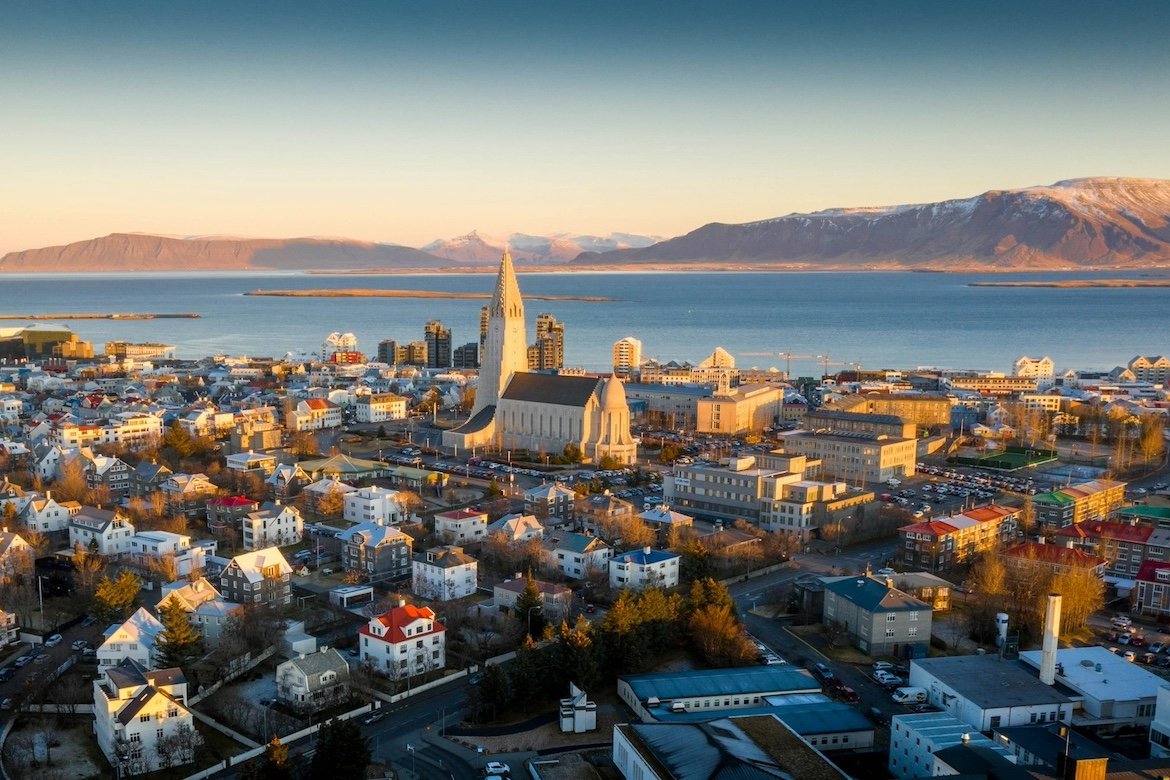
A serene street scene in Reykjavík, Iceland - representing one of the world’s trusted destinations for safe travel in 2026. Photo: Einar H. Reynis / Unsplash
As global travel continues to expand into 2026, safety remains a top priority for international travellers. The newest rankings from Berkshire Hathaway Travel Protection reveal which destinations combine security, infrastructure, and hospitality to offer travellers the most peace of mind.
Drawing on surveys, international safety indices and traveller feedback, the report highlights both countries and cities where visitors can feel confident exploring.
Top 15 Safest Countries
Netherlands
Australia
Austria
Iceland
Canada
New Zealand
United Arab Emirates
Switzerland
Japan
Ireland
Belgium
Portugal
France
United Kingdom
Denmark
The Netherlands takes the number-one spot for 2026, a remarkable rise from previous years. It earned high marks for personal security, healthcare quality, and transportation safety. Australia and Austria round out the top three thanks to strong infrastructure, stable governance, and consistent rankings for female and LGBTQ+ traveller safety.
Iceland and Canada maintain their longstanding reputations for welcoming, low-crime environments, while New Zealand and the UAE are increasingly recognized for their visitor-friendly policies and focus on security.
European destinations dominate the list, with France, Portugal and the UK maintaining solid mid-tier placements, reflecting confidence in their resilience, emergency response, and tourism management. Denmark closes the list with strong social trust indicators and low reported incidents affecting international travellers.
Top 15 Safest Cities
Reykjavik
Copenhagen
Zurich
Amsterdam
Honolulu
Sydney
Barcelona
Lisbon
Tokyo
Dublin
Venice
Seoul
London
Singapore
San Francisco
At the city level, Reykjavik continues to hold the top spot for its combination of low crime rates, community trust, and overall stability. Copenhagen and Zurich complete the top three, recognized for effective policing, reliable transport, and transparent governance. Amsterdam joins the group as a model of safe, sustainable tourism management.
Further down the list, cities like Honolulu and Sydney represent strong performers in the Asia-Pacific region, praised for safety, cleanliness, and hospitality. European cities – including Barcelona, Lisbon, and Venice – illustrate how urban centres can balance heavy tourism with proactive safety policies. Tokyo, Seoul, and Singapore continue to lead in Asia, supported by efficient infrastructure and cultural respect for order and responsibility.
Understanding the Rankings
These results go far beyond simple crime statistics. The report considers factors such as health preparedness, disaster response, gender inclusivity, and access to emergency services. Countries and cities that invest in sustainability, education, and transparency consistently perform better in safety surveys.
The 2026 findings also highlight how safety perception evolves alongside global travel trends. Destinations that maintain strong community ties, manage tourism impacts, and communicate clearly with visitors tend to inspire long-term confidence.
For travellers, the lists of safest countries and cities provide more than reassurance – they outline a blueprint for smart, responsible exploration. Whether planning an urban break in Reykjavik or a countryside escape in the Netherlands, these destinations prove that safety and adventure can coexist beautifully.
From November 2025, flydubai will include complimentary meals and in-flight entertainment in every Economy Class fare, marking a significant upgrade to its passenger offering.
By Yuliya Karotkaya
Published:
Updated:
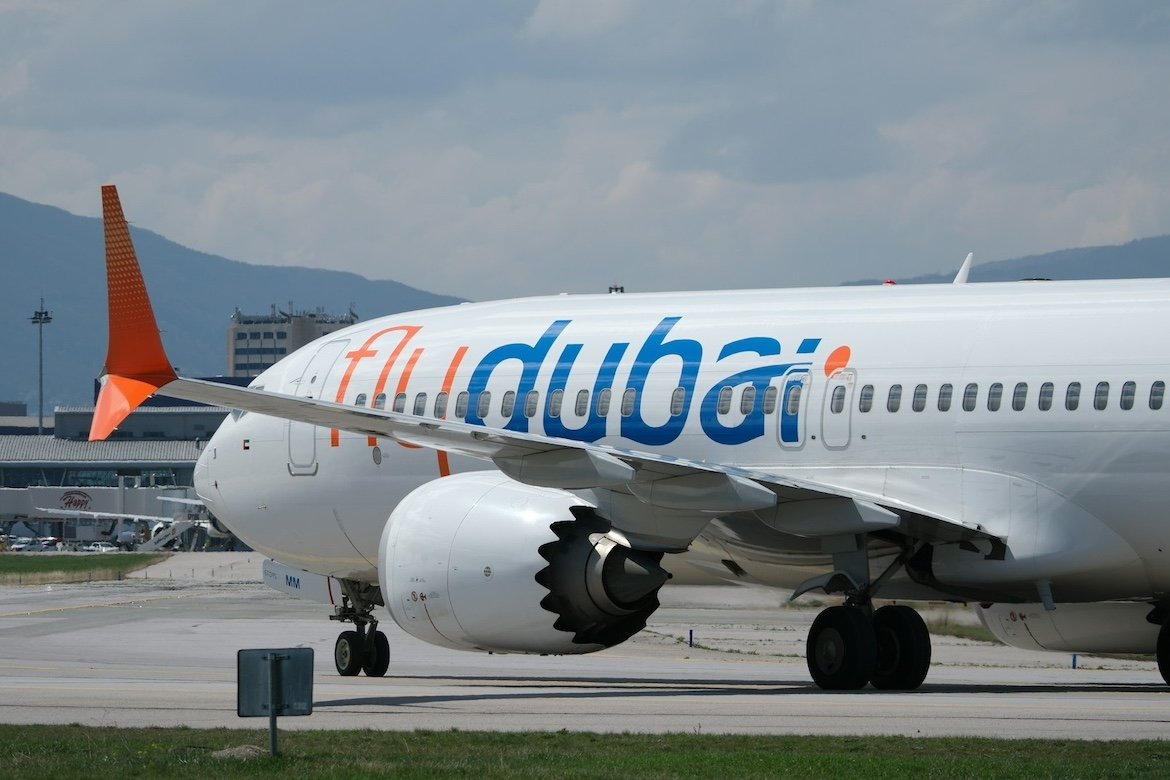
A flydubai aircraft on the runway, symbolizing the airline’s upcoming service enhancements. Photo: Sevcan Alkan / Unsplash
Dubai-based carrier flydubai is set to transform its Economy Class experience by introducing complimentary meals and full in-flight entertainment access for all passengers, beginning in November 2025.
The move marks a shift away from the low-cost model that has defined the airline since its founding and reflects a broader strategy to improve passenger experience across its growing network. The change aligns with flydubai’s ongoing expansion and its goal of redefining value travel in the region.
Complimentary Dining for Every Passenger
Under the new system, all Economy Class tickets – regardless of fare type – will include complimentary hot or light meals with beverages. The menus are being developed to reflect the airline’s extensive network, offering dishes inspired by destinations across Africa, Europe, South Asia, and the Middle East. Passengers on longer flights can expect full hot meals, while shorter routes will feature lighter options, maintaining consistency and quality across all services.
The change eliminates previous fare distinctions that determined whether meals were included, ensuring every passenger enjoys the same onboard experience. According to company representatives, the decision was guided by passenger feedback and a growing expectation among travelers for inclusive, full-service offerings. By simplifying meal policies and improving consistency, flydubai hopes to enhance customer satisfaction while maintaining competitive pricing.
Upgraded In-Flight Entertainment Experience
Alongside the new meal service, flydubai is expanding its entertainment platform across its Boeing 737 fleet. Economy passengers will now have free access to more than 1,000 movies, 700 music albums, television programs, podcasts, and interactive games, either through seat-back screens or personal devices. The system will feature multiple languages and genres, catering to the airline’s diverse global audience.
The airline’s leadership has emphasized that these improvements represent a “significant evolution” in flydubai’s approach to service. The move also reflects broader changes in the aviation industry, as hybrid and low-cost carriers adopt more premium features to meet passenger expectations. With the inclusion of meals and entertainment in the base fare, flydubai positions itself closer to full-service airlines while retaining its flexible pricing model.
These updates come as the carrier continues to expand its fleet and route network, now serving more than 135 destinations worldwide. The new policy aims to offer passengers greater comfort, simplify the booking process, and deliver a consistent experience across short- and medium-haul routes. As the rollout begins in November 2025, travelers can look forward to a more refined and inclusive Economy Class journey – one designed to make even budget travel feel premium.
Delano is making its debut in New York and London through conversions and new construction, while also returning to Miami.
By Yuliya Karotkaya
Published:
Updated:
Elegant modern interior inspired by Delano’s signature minimalist design style. Photo: Ennismore
Ennismore, the lifestyle division of Accor, has announced expansion of its Delano brand into two of the world’s most prominent cities, with upcoming properties in New York and London. These developments coincide with a planned reopening of Delano Miami Beach in early 2026, signaling a strategic push to re-establish Delano as a global luxury lifestyle hotel brand.
In New York, the Delano property will arise from a conversion of the current Dominick Hotel in SoHo, rebranded as Delano SoHo New York. With approximately 391 guestrooms and suites, the hotel will include substantial event and meeting space and aims to position itself as a cultural and social hub in Hudson Square, near SoHo’s galleries, boutiques, and dining scene. The conversion follows the acquisition of The Dominick by Cain, which will reposition the property under the Delano ethos.
Across the Atlantic, Delano London will be a new build or conversion near Kensington Gardens and Hyde Park. The London property is slated to feature 67 guest rooms and suites, an on-site restaurant curated by Ennismore’s F&B Platform, and a Rose Bar inspired by the iconic Miami original. Ennismore describes the design as a blend of minimalism and warmth, creating a modern yet contextually rich luxury experience. The opening is expected in late 2026.
Meanwhile, the original Delano Miami Beach is scheduled to reopen in early 2026 following a comprehensive renovation that marries its historic Art Deco roots with contemporary design. The restored property will offer 171 guestrooms, four dining and bar concepts, and a revived version of the famed Rose Bar, reasserting Delano’s foundational identity in its birthplace.
These moves build on Delano’s recent entrance into key markets such as Paris and Dubai, indicating a broader strategy of repositioning the brand as a global icon of artful hospitality. The expansion is backed by Ennismore’s partnership with investment firm Cain, which acquired a minority stake in Delano in 2024, and by the appointment of Ben Pundole as Chief Brand Officer to guide the brand’s growth and cultural relevance.
The growth of Delano aligns with rising traveler demand for experiential, design-driven stays that combine local character with elevated amenities. Today’s hotel market increasingly rewards brands that can deliver personality, authenticity, and a sense of place. By entering New York and London with strong brand identity, Delano aims to compete with established lifestyle names in both cities.
With construction and conversion already underway, Delano’s global revival is unfolding in real time. The transition of The Dominick, the London build, and the Miami restoration will each bear close watching as benchmarks of how a heritage brand can evolve in the modern luxury landscape.
Marriott’s Edition brand opens The Red Sea Edition on Shura Island, the first hotel on the island and a benchmark for regenerative luxury in Saudi Arabia.
By Yuliya Karotkaya
Published:
Updated:
Serene beachfront view at The Red Sea Edition on Shura Island. Photo: Edition Hotels
Marriott International’s Edition brand has launched The Red Sea Edition, a new resort on Shura Island that marks the first hotel to open on the island and the second Edition property in Saudi Arabia, following Jeddah Edition. The opening represents a key milestone within the Red Sea Project, a large-scale tourism development designed to position the country as a leading destination for sustainable luxury travel.
Set along half a mile of private beachfront, The Red Sea Edition offers 240 rooms, including 53 suites with views of the Red Sea and the island’s Shura Links golf course. The design features natural materials, soft lighting, and textures inspired by the surrounding desert and sea. Guests can enjoy multiple dining venues, a full-service spa, modern fitness facilities, and 10,700 square feet of event space, including a ballroom accommodating up to 500 guests.
Shura Island, connected to the Saudi coastline by a two-mile bridge, serves as the main hub of the Red Sea Project. The Red Sea Edition is the first of eleven hotels planned for the island, with upcoming openings from SLS and InterContinental, followed by brands such as Fairmont, Four Seasons, Jumeirah, and Rosewood. The property’s opening aligns with Red Sea Global’s broader vision of creating 50 hotels and over 1,000 residences across 22 islands and six inland locations by 2030.
The resort’s architecture emphasizes a close connection to the environment. Its minimalist structures incorporate stone, oak, and rammed earth, while open-air spaces blur the line between indoor and outdoor living. The Red Sea Edition operates entirely on solar power, reinforcing its alignment with Saudi Arabia’s push for regenerative, low-impact tourism.
The Red Sea Project also includes a dedicated international airport that opened in 2023, improving access to the growing luxury region. The development is part of Saudi Arabia’s Vision 2030 initiative, which aims to diversify the economy and promote the kingdom as a global tourism hub.
With its understated elegance and focus on sustainability, The Red Sea Edition sets the tone for a new chapter in the country’s hospitality sector. As more resorts join the island in the coming years, this flagship property is expected to serve as a model for balancing innovation, design, and environmental stewardship in one of the world’s most ambitious tourism projects.
Southwest Airlines has introduced its first Boeing 737-8 with a completely redesigned cabin, featuring new seats, larger bins, and in-seat power.
By Yuliya Karotkaya
Published:
Updated:
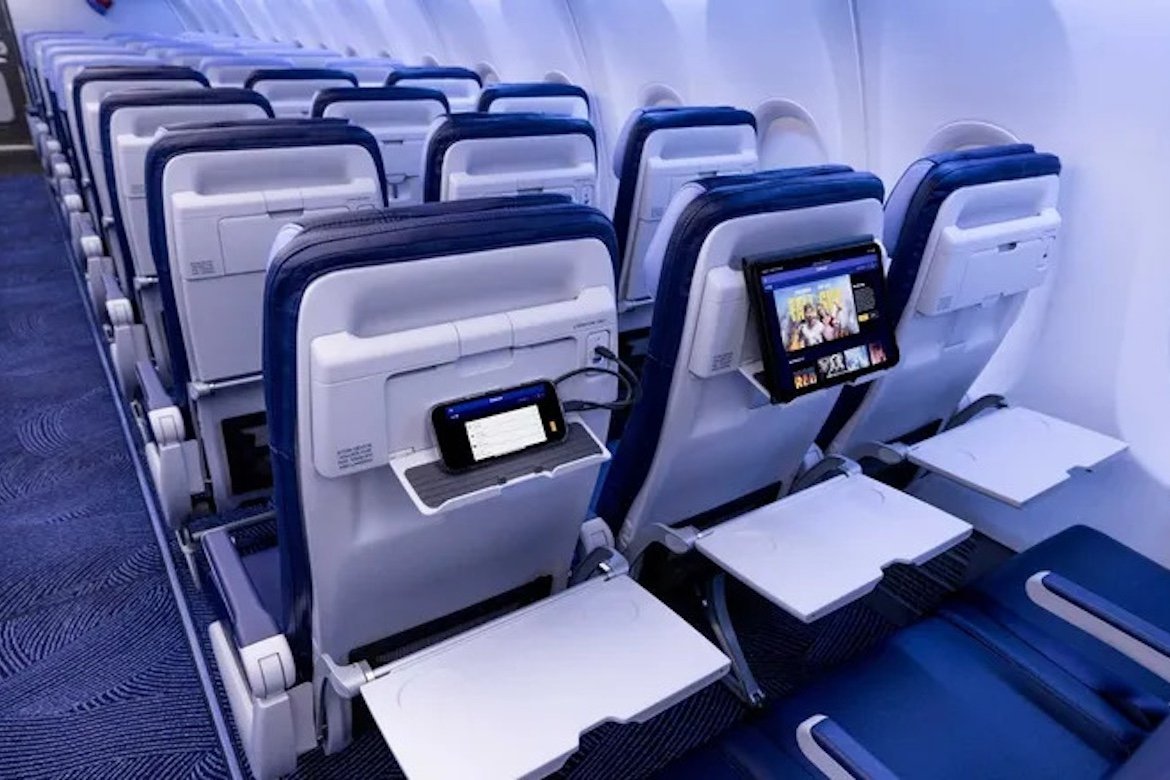
The new Southwest 737-8 interior unveiled during delivery in Phoenix. Photo: Southwest Airlines
Southwest Airlines has unveiled the first of its Boeing 737-8 MAX aircraft featuring a completely refreshed cabin, marking a significant milestone in the airline’s modernization strategy. The update introduces new seating, lighting, and comfort enhancements aimed at improving the overall passenger experience while aligning the fleet with contemporary cabin standards.
The redesigned interior features Recaro R2 seats, offering improved ergonomics and comfort for longer flights. Passengers will also notice larger overhead bins, which can store up to 60 percent more carry-on bags, along with new LED lighting, carpeting, and sidewalls that create a cleaner, more spacious look.
In-seat power outlets are now included at every seat, reflecting Southwest’s response to long-standing customer demand. The new cabin also incorporates rows designated for Extra Legroom (ELR), marked by distinct headrest covers and updated branding elements.
Fleet Retrofit and Modernization Plans
The airline plans to retrofit its existing Boeing 737-800 and MAX aircraft with the updated interior by the end of this year, with work already underway at several maintenance bases. According to Southwest executives, more than half of the fleet now supports the ELR configuration, while approximately 40 percent features in-seat power and 20 percent has the new, larger bins. The company is also coordinating with Boeing to increase production of interior components to accelerate the upgrade schedule.
Retrofit operations are being handled both internally and through external partners in cities such as Denver, Phoenix, Houston, Atlanta, Indianapolis, and Kansas City. Southwest’s in-house TechOps teams currently handle overnight modifications on up to eight aircraft at a time, a pace expected to increase significantly once the program expands to include the smaller Boeing 737-700s in early 2026. These older jets will receive either Recaro or refurbished Meridian seats capable of supporting in-seat power.
The retrofit program for the 737-700 fleet is scheduled to run through mid-2027, after which Southwest intends to transition toward an all-MAX fleet by 2031, phasing out its 737 Next Generation aircraft entirely. The company also plans a uniform refresh in 2027, extending the modernization effort to its crew and ground staff.
This cabin redesign follows a broader push by Southwest to elevate the passenger experience across multiple touchpoints. Earlier this year, the airline also announced enhancements to its inflight connectivity and Rapid Rewards program, including a rollout of free Wi-Fi for all passengers starting in fall 2025. The two initiatives – modern interiors and improved onboard technology – reflect Southwest’s commitment to keeping pace with evolving traveler expectations and maintaining its competitive edge among U.S. carriers.
Executives describe the new cabin as the culmination of years of work focused on enhancing passenger experience while maintaining operational efficiency. The update signals a broader shift within the low-cost carrier segment, where design, comfort, and technology are increasingly becoming points of competition. With the first upgraded aircraft now in service, Southwest aims to bring a more polished and consistent travel experience across its growing network.
Wizz Air will open a new base in Podgorica, Montenegro, in March 2026, adding 14 new destinations across Europe and boosting regional connectivity.
By Yuliya Karotkaya
Published:
Updated:
Wizz Air’s new base in Podgorica will connect Montenegro with 14 new destinations across Europe starting in March 2026. Photo: Markus Winkler / Pexels
Wizz Air, Europe’s fastest-growing ultra-low-cost airline, has announced the opening of a new base in Podgorica, Montenegro, with operations set to begin in March 2026. The move marks a major step in expanding the carrier’s presence in the Balkans and improving connectivity between Montenegro and key European destinations.
The airline will base one Airbus A321neo aircraft at Podgorica Airport, introducing 14 new routes that will make Montenegro more accessible than ever to travelers from across Europe. This expansion represents a significant investment in the country’s aviation infrastructure and tourism industry, reaffirming Wizz Air’s commitment to broadening affordable travel options across the region.
József Váradi, CEO of Wizz Air, emphasized the strategic importance of this expansion: “Podgorica is a vibrant and growing city that deserves better connections to Europe’s most exciting destinations. By opening our newest base here, we are helping to boost Montenegro’s economy, create local jobs, and bring more visitors to discover this beautiful country.”
According to Wizz Air, the establishment of the Podgorica base will create over 40 direct local jobs and several hundred indirect positions in tourism, hospitality, and services. Montenegro’s Civil Aviation Agency and the Ministry of Transport have welcomed the move, viewing it as a milestone for the nation’s growing role in European air travel.
Boost for Tourism and the Economy
Montenegro’s tourism sector has seen steady growth in recent years, and improved connectivity is expected to accelerate this trend. The country’s capital, Podgorica, serves as a gateway to Montenegro’s Adriatic coast, mountain resorts, and UNESCO-listed cultural landmarks.
Wizz Air’s expansion is also expected to stimulate local tourism by attracting more visitors from Central and Western Europe, while providing Montenegrin travelers with new opportunities for affordable city breaks and business travel. The airline’s focus on sustainability further aligns with Montenegro’s goals of promoting responsible tourism.
The Airbus A321neo assigned to Podgorica is among the most fuel-efficient aircraft in Wizz Air’s fleet, offering lower emissions and reduced noise levels. The airline continues to lead Europe’s low-cost sector in operational efficiency and environmental innovation, boasting one of the youngest fleets in the world.
With this new base, Wizz Air strengthens its foothold in Southeastern Europe, joining existing operations in countries like Albania, North Macedonia, and Serbia. The company aims to make Montenegro a regional travel hub, connecting it seamlessly to Europe’s cultural and economic centers.
As Montenegro looks to the future, the arrival of Wizz Air’s Podgorica base signals a new era of accessibility, opportunity, and growth – both for the airline and for one of Europe’s most scenic emerging destinations.
The United States passport has dropped out of the world’s top 10 most powerful travel documents for the first time, as global mobility rankings highlight Asia and Europe’s dominance.
By Yuliya Karotkaya
Published:
Updated:
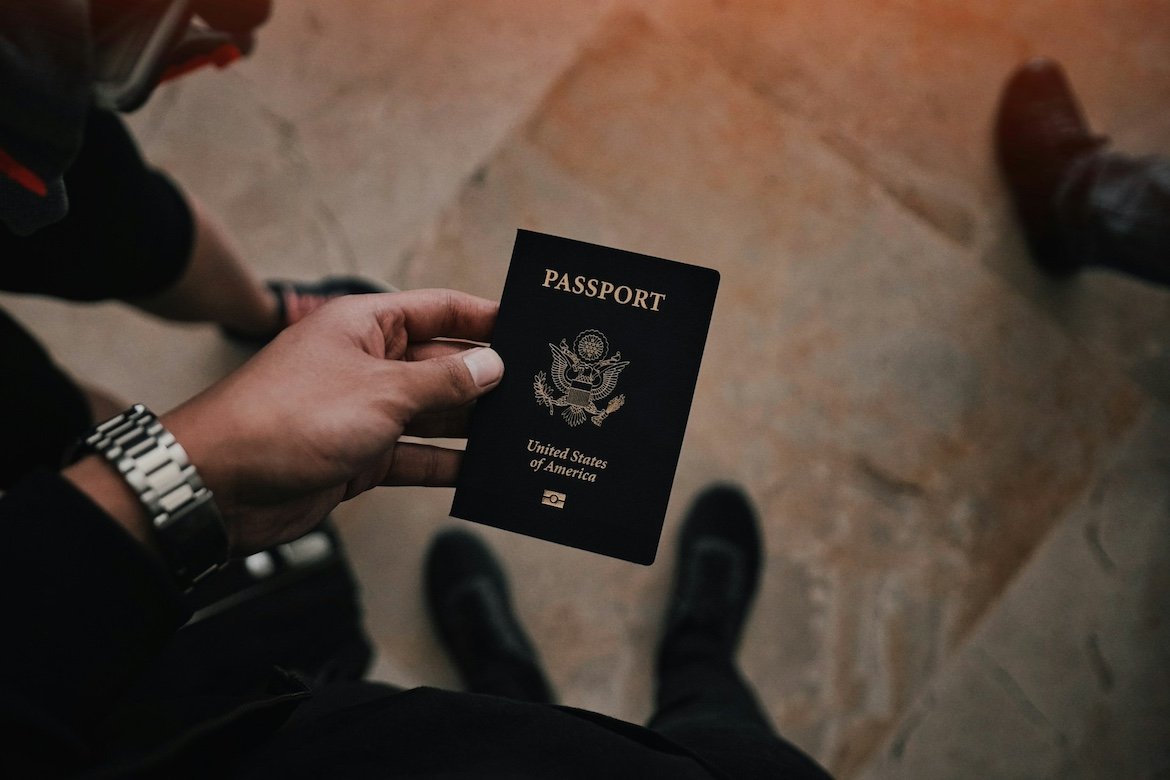
The U.S. passport has lost ground in global rankings, trailing behind several Asian and European nations. Photo: Levi Ventura / Unsplash
For the first time in over a decade, the United States passport has fallen out of the world’s top 10 most powerful travel documents, according to the latest global rankings. The Henley Passport Index, which measures how many countries passport holders can enter without a visa, shows that U.S. travelers now enjoy visa-free access to 182 destinations, compared to 194 for the top-ranking countries.
The drop reflects the growing strength of Asian and European passports, which continue to dominate global mobility. France, Germany, Italy, Japan, and Singapore share the top position in the 2025 index, with visa-free access to 194 destinations worldwide. Meanwhile, countries such as Spain, South Korea, and the Netherlands also remain firmly in the top tier, underscoring how Europe and Asia have sustained their lead in travel freedom.
Experts say the U.S. decline is due to stagnation in expanding visa-free agreements and growing geopolitical complexities. Although the American passport remains one of the most recognized in the world, it has not kept pace with nations that actively negotiate reciprocal travel arrangements.
Global Mobility Shifts
The latest rankings reflect how international travel has evolved in the post-pandemic era. Countries with strong diplomatic networks and stable bilateral relations are benefiting from expanded travel access, while others face new barriers due to shifting political dynamics.
Japan and Singapore, which have long dominated the rankings, continue to offer travelers some of the most extensive visa-free options. European countries such as France, Germany, and Italy also maintain their status thanks to the strength of the Schengen Area, which simplifies travel within much of the continent.
By contrast, the United States’ gradual slide from the top is seen by analysts as part of a broader realignment in global influence. The decline coincides with tighter visa requirements for certain regions and a more cautious diplomatic approach. In practical terms, it means fewer seamless travel opportunities for U.S. citizens, especially compared to frequent flyers from Europe or Asia.
What the Rankings Reveal
The Henley Passport Index, compiled by London-based investment migration firm Henley & Partners, ranks 199 passports based on International Air Transport Association (IATA) data. It serves as a benchmark for global mobility, often seen as an indicator of diplomatic reach and international cooperation.
While the U.S. passport remains strong relative to most of the world, its drop to 11th place marks a symbolic shift. It trails behind nations such as Sweden, Finland, and South Korea, and ties with Australia and Canada, both of which continue to expand their visa-free access.
The changes highlight an increasingly competitive landscape, where diplomatic relationships and global connectivity shape travel freedom. As more countries sign mutual visa-waiver agreements, the mobility gap between regions could widen further, emphasizing the geopolitical dimension of travel.
For many travelers, the practical impact may be limited – U.S. citizens still have easy access to most major destinations – but the symbolic loss of “top 10” status underscores a changing global order. In an era defined by diplomacy, security, and soft power, the passport has become more than just a travel document – it’s a reflection of how nations engage with the world.
The Skyscanner 2026 Travel Trends Report reveals that affordable flights, unique hotels, and creative new ways to explore the world will define how people travel next year.
By Yuliya Karotkaya
Published:
Updated:
Travelers in 2026 are embracing affordable flights, cultural immersion, and creative experiences inspired by books, nature, and beauty. Photo: Andrei Tanase / Pexels
According to Skyscanner’s newly released 2026 Travel Trends Report, next year will redefine the way people explore the world. With new low-cost carriers expanding routes to destinations like Italy, Bangkok, Paris, Reykjavik, and Scotland, travel is becoming more accessible than ever. The report notes that 55% of travelers now say flight cost is the single most important factor when choosing a destination, making 2026 the year of the cheap flight.
The data also highlights the top trending destinations for the year ahead. Limon in Costa Rica, Jaipur in India, and Bodrum in Turkey are among the fastest-growing spots, while São Paulo, Singapore, and Venice are emerging as top choices for affordable international trips. But beyond destinations and prices, Skyscanner’s report shows that travelers’ habits and motivations are evolving, giving rise to several key trends shaping 2026.
Glowmads: Beauty and Wellness on the Go
Self-care meets travel in 2026. Driven largely by Gen Z, the Glowmad trend is about blending skincare and wellness with exploration. Thirty-two percent of younger travelers plan to seek beauty treatments or visit skincare destinations while abroad. Social media platforms like TikTok and Instagram have made skincare a travel inspiration, with beauty hotspots such as Seoul and Tokyo at the top of the list. Whether it’s documenting in-flight skincare routines or hunting down cult beauty brands, travelers are making wellness part of the journey.
Shelf Discovery: Supermarkets as the New Culinary Frontier
Forget fine dining – 2026 is about supermarket safaris. Skyscanner found that 55% of U.S. travelers often visit local grocery stores abroad, turning everyday shopping into a cultural experience. From vending machines in Tokyo to Iceland’s famous geothermal-baked bread, travelers are embracing local flavors in unexpected ways. Culinary tourism is now less about Michelin stars and more about discovering the snacks and staples that locals actually eat.
Catch Flights & Feelings: Romance Meets Adventure
As social and dating norms shift, travel is becoming a way to connect. More than half of travelers (53%) have gone or considered going overseas to meet matches or make new friends. For many, travel now represents an opportunity for meaningful connection rather than just sightseeing. Meeting locals, sharing experiences, and building new friendships are at the heart of this emotional travel movement that blends discovery with human connection.
Bookbound: Literary Escapes Around the World
The Bookbound trend takes inspiration straight from the pages of novels. Thanks to the growing influence of online communities like BookTok, travelers are now booking trips inspired by their favorite stories. Skyscanner reports that 55% of travelers have booked or would consider a trip based on literature, while hotel searches using the “library” filter are up 70% year over year. From reading retreats to exploring settings from classic fiction, books are becoming roadmaps for real-world journeys.
Altitude Shift: The Rise of Mountain Escapes
In 2026, travelers are heading for higher ground – literally. Eighty percent of respondents say they are considering or planning a mountain vacation for the summer or fall. The appeal lies in peace, clean air, and stunning scenery. Whether hiking in the Dolomites, exploring the Canadian Rockies, or unwinding in New Zealand, travelers are seeking out mountain destinations for wellness and escape from crowded tourist hubs.
Destination Check-In: Hotels as the Main Attraction
Hotels are no longer just a place to sleep – they’re the reason to travel. Skyscanner found that 56% of travelers have chosen a destination purely based on accommodation, with the figure climbing to 70% among Millennials. Unique properties, from remote lodges to design-focused resorts, are redefining how people choose where to go. Travelers are now building entire trips around the experience of staying somewhere extraordinary.
From budget flights to book-inspired adventures, the 2026 travel landscape is defined by creativity, connection, and self-expression. Whether exploring mountain peaks, discovering local snacks, or chasing new friendships abroad, travelers next year are shaping a global movement that blends affordability with authenticity.
Four Seasons Hotel Gresham Palace Budapest has received two Michelin Keys, recognizing its exceptional blend of Art Nouveau heritage, Hungarian craftsmanship, and modern luxury.
By Yuliya Karotkaya
Published:
Updated:
The iconic Four Seasons Hotel Gresham Palace Budapest, overlooking the Chain Bridge, honored with two Michelin Keys for exceptional hospitality. Photo: Four Seasons
The Four Seasons Hotel Gresham Palace Budapest has been awarded two Michelin Keys as part of the 2025 global Michelin Key selection, marking it as one of the world’s most exceptional hotels. This prestigious distinction, introduced by the Michelin Guide in 2024, recognizes properties that offer an outstanding stay – hotels that are destinations in themselves, defined by excellence, authenticity, and a deep sense of place.
Originally completed in 1906, Gresham Palace is a jewel of Art Nouveau architecture overlooking the Danube. After an extensive restoration by Four Seasons, the hotel now represents a seamless blend of Hungarian craftsmanship and modern luxury. It features 179 elegant rooms and suites, the acclaimed KOLLÁZS Brasserie & Bar, the sophisticated MÚZSA bar, a tranquil spa, and panoramic views of the Chain Bridge and Buda Castle.
Julia Selyukova, General Manager of Four Seasons Hotel Gresham Palace Budapest, described the honor as a reflection of both heritage and hospitality. “We are deeply honoured to receive two Michelin Keys,” she said. “This distinction celebrates not only our iconic setting but also the passion and dedication of our team, who create unforgettable experiences for every guest. It is a privilege to see our commitment to excellence recognised on a global stage.”
The Michelin Key distinction is awarded based on several universal criteria, including excellence in architecture and interior design, consistency in service, the individuality of the establishment, value for money, and contribution to the local community. According to Michelin’s inspectors, Gresham Palace “embodies the grandeur of Budapest’s Art Nouveau heritage, offering guests a refined experience that blends cultural authenticity with contemporary luxury.”
This achievement also underscores the growing importance of the Michelin Key program, which continues to redefine global hospitality standards. We previously covered this development in our article about the Michelin Guide’s new global hotel rating system, which highlights properties that transform a simple stay into a memorable journey. The introduction of Michelin Keys has quickly become a benchmark for excellence, influencing how travelers discover and evaluate luxury accommodations around the world.
For Budapest, this recognition reinforces its status as one of Europe’s most sophisticated and culturally rich destinations. The Hungarian capital continues to gain international acclaim for its thriving hospitality scene, where historic architecture meets world-class service. The inclusion of Gresham Palace in the Michelin Guide’s latest selection cements its role as a symbol of elegance and a cornerstone of Budapest’s luxury travel offering.
Standing proudly in the heart of the city, the Four Seasons Hotel Gresham Palace remains a living work of art – its stained-glass windows, mosaics, and ironwork capturing the spirit of the early 20th century while embracing the demands of modern luxury. With its two Michelin Keys, the hotel not only celebrates its past but also defines the future of refined hospitality in Hungary and beyond.
Revolut’s acquisition of Swifty, an AI travel agent incubated at Lufthansa Innovation Hub, marks a strategic step toward integrating smart travel automation into its expanding lifestyle and loyalty offerings.
By Yuliya Karotkaya
Published:
Updated:
Revolut’s acquisition of Swifty signals a deeper move into AI-powered lifestyle and travel services. Photo: Sophie Dupau / Unsplash
Revolut, the global financial super app with more than 65 million customers worldwide, has announced the acquisition of Swifty, an AI-powered travel agent startup originally incubated at Lufthansa Innovation Hub. The deal brings Swifty’s proprietary technology and its founding team, Stanislav Bondarenko and Tomasz Przedmojski, under Revolut’s umbrella as part of the company’s continued expansion into lifestyle and travel services.
The acquisition strengthens Revolut’s ambitions at the intersection of finance, AI, and lifestyle, with Swifty’s conversational AI designed to manage the entire travel booking process – from selecting flights and hotels to completing payments and invoicing. This seamless automation will be integrated into Revolut’s loyalty ecosystem, enhancing its goal of creating personalized, intelligent experiences for users.
“This acquisition strengthens our position at the intersection of finance, AI, and lifestyle,” said Christopher Guttridge, Head of Loyalty at Revolut. “Through this move, we’re gaining both talent and expertise in AI-driven travel solutions, which will help us deliver even more personalized and seamless experiences to our customers.”
Swifty’s founders echoed the sentiment, calling the partnership a milestone in scaling their technology to a global audience. “We’re excited to bring the power of Swifty to tens of millions of Revolut users,” said Bondarenko and Przedmojski in a joint statement. “Joining forces with one of the world’s leading fintechs is a once-in-a-lifetime opportunity to enhance the lifestyle of over 65 million customers. Together, we’ll build an AI concierge that not only simplifies travel but anticipates everyday needs across all aspects of life.”
The move builds on Revolut’s existing efforts to integrate AI into financial and lifestyle services. The company has been steadily evolving from a mobile banking app into a multifunctional financial ecosystem, encompassing savings, trading, insurance, and personalized rewards. With Swifty’s inclusion, Revolut aims to position itself as a full-service platform where travel planning, spending, and financial management merge into a single experience.
The timing reflects a broader trend across industries: the convergence of AI technology with consumer services. The travel sector, in particular, is undergoing rapid transformation as artificial intelligence reshapes booking, personalization, and customer service. Startups like Swifty represent a new generation of “autonomous agents” capable of handling complex, multi-step processes once reserved for human specialists.
Analysts say Revolut’s move underscores how fintech firms are extending their reach beyond money management into lifestyle automation. By combining Swifty’s travel expertise with its financial data insights, Revolut could deliver an integrated experience where users can book trips, manage budgets, and earn loyalty rewards without ever leaving the app.
Swifty, developed under Lufthansa’s innovation arm, had already made a name for itself in the AI-driven travel technology space. Its conversational platform was designed to manage end-to-end travel arrangements through natural dialogue, making it an ideal fit for Revolut’s focus on user-centric, automated experiences.
The acquisition also highlights a growing alignment between European fintech and travel technology ecosystems. Lufthansa’s investment in early-stage startups like Swifty reflects how traditional travel players are betting on AI to modernize operations, while Revolut’s acquisition signals how fintech companies are eager to own a larger share of lifestyle engagement.
As Revolut deepens its AI strategy, the integration of Swifty’s travel automation could mark a pivotal step toward creating an AI-powered personal concierge, blending financial intelligence with real-world convenience. In a market where digital assistants are rapidly evolving, Revolut’s latest move positions it among the leaders seeking to redefine how consumers interact with both their money and their experiences.
Join our list to receive latest Blockchain, Crypto & Fintech news:
WordPress database error: [Table 'u752143311_aXVuj.wp_coingecko_coins' doesn't exist]
            SELECT coins.*, meta.post_id as post_id
            FROM `wp_coingecko_coins` coins
            INNER JOIN wp_postmeta meta ON (meta.meta_key = 'wpcf-coin-main-tag' AND meta.meta_value = coins.slug )
            ORDER BY market_cap_usd
            DESC LIMIT 9