Just months after emerging from its first bankruptcy in March 2025, Spirit Airlines has filed for Chapter 11 protection again, triggering a comprehensive restructuring to salvage its future.
By Yuliya Karotkaya
Published:
Updated:
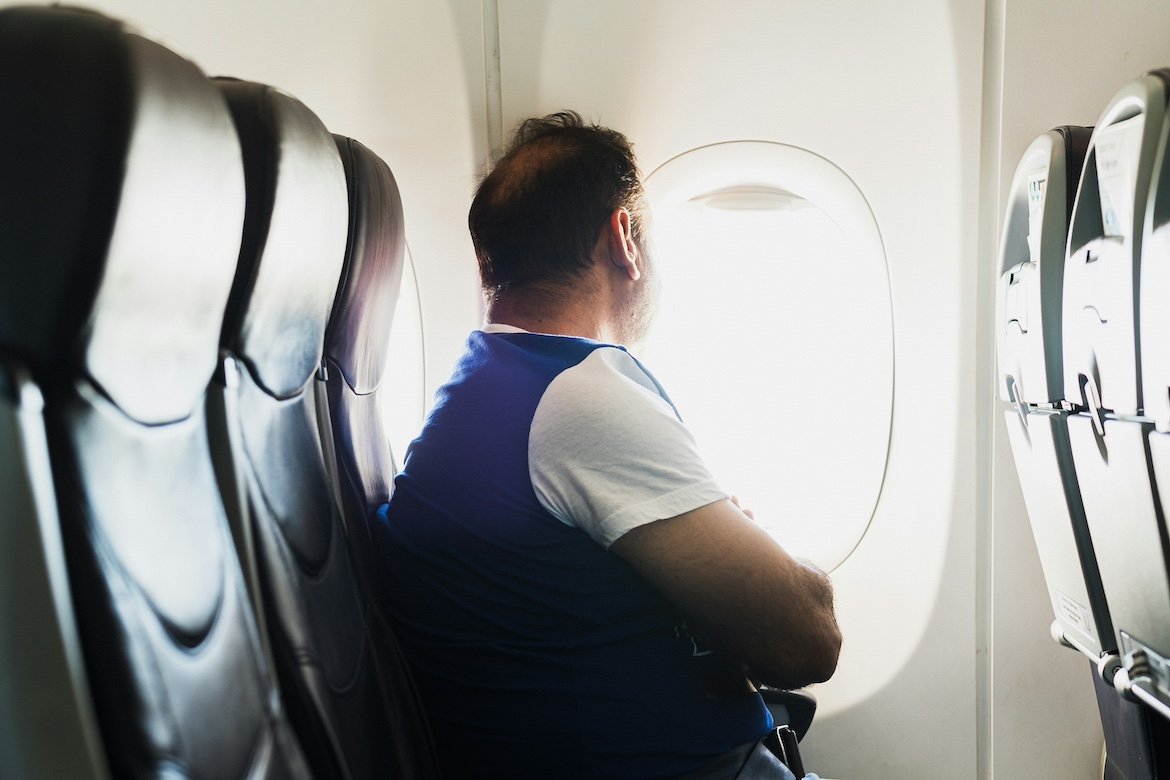
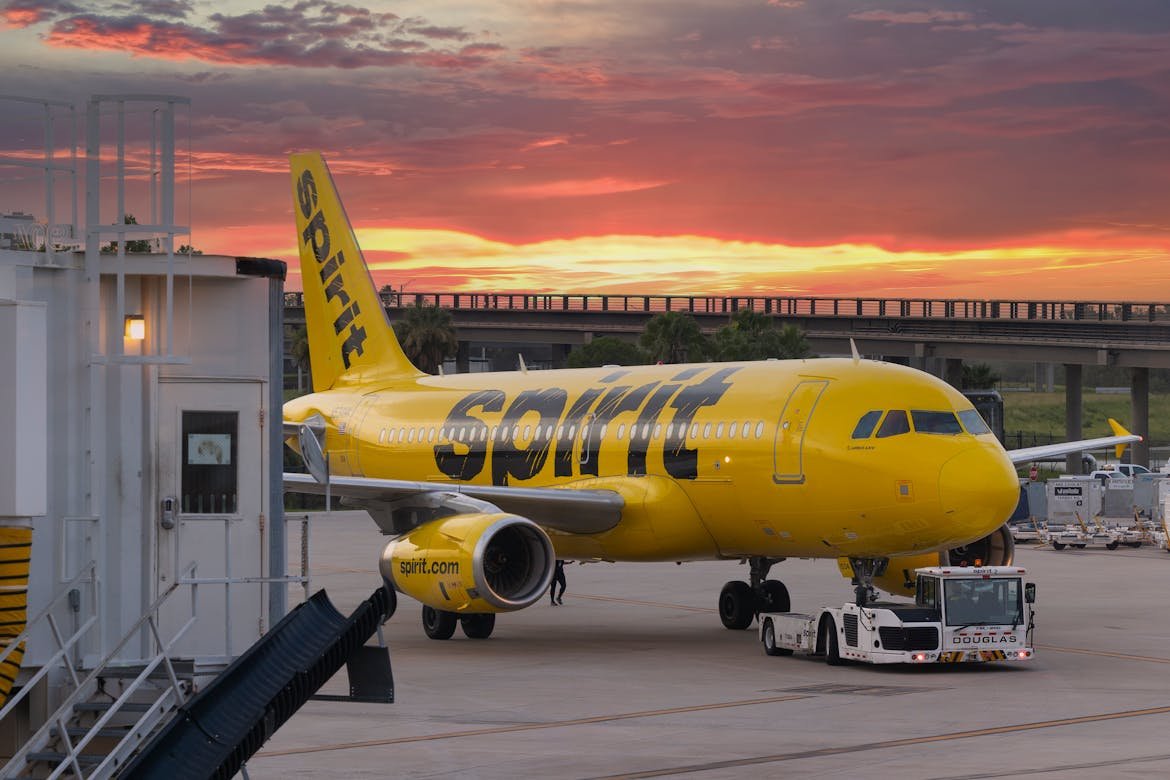
Spirit Airlines’ financial struggles prompt a second Chapter 11 filing - and another major restructuring. Photo: Mehmet Suat Gunerli / Pexels
Spirit Airlines has entered Chapter 11 bankruptcy protection for the second time in under a year, signaling a renewed effort to restore fiscal stability. After emerging from its first restructuring in March, the ultra-low-cost airline has once again faced financial distress, citing billions in lingering debt, weak domestic demand, and unsustainable operations as driving forces behind the new filing.
Root Causes and Restructuring Measures
In the wake of its second bankruptcy announcement, Spirit’s stock value plummeted, reflecting stark investor concern. Last quarter, the company reported a staggering net loss approaching $246 million and warned that, without immediate action, it may not survive another year.
Despite recapitalizing earlier in the year and converting nearly $800 million in debt into equity, the airline was saddled with over $2 billion in liabilities and burdensome aircraft lease obligations that were not renegotiated under the previous restructuring.
To navigate this challenging terrain, Spirit’s board has pledged to execute a comprehensive overhaul of its operations. Plans include sharply reducing fleet size to align with demand, exiting underperforming markets, and realigning its route network toward profitability.
In parallel, the airline intends to expand its premium travel offerings, diversify fare structures, and enhance margins. Strategic partnerships – including merger discussions or asset divestments – remain under consideration, with Frontier Airlines reportedly increasing its presence in Spirit’s weakened markets.
Throughout the transition, Spirit assures travelers that its flights will continue uninterrupted, along with ticketing services, loyalty benefits, and employee benefits. The Chapter 11 process allows operations to continue as usual while the company reorganizes.
Human and Competitive Impacts
Spirit’s financial peril has already rippled through its workforce. The airline has slated approximately 270 pilots for furlough and plans to demote about 140 captains to first officer roles, aligning staffing with expected lower flight volumes. These changes will take effect later this year and into early 2026.
The wider ultra-low-cost carrier sector will also feel the effects. Competitors such as Frontier, Southwest, and even some major carriers have already stepped in with targeted route expansions and marketing tactics designed to capture price-sensitive customers. If Spirit ultimately fails to regain stability, industry observers warn that travelers may face fewer ultra-budget choices and higher fares overall.
For Spirit, this second bankruptcy filing marks not just a setback – but a recalibrated opportunity. By harnessing a court-supervised restructuring process, the airline hopes to shed legacy operational inefficiencies, optimize routes and staffing, and redefine its brand – not just as the cheapest, but as a better value. Whether this gamble finds traction or further erodes traveler confidence remains to be seen.
Related Context on Spirit’s Struggles
This is not the first sign of turbulence for Spirit in 2025. Earlier this year, the airline issued a stark going concern warning, raising doubts about its ability to continue operations without significant financial restructuring. That announcement underscored just how fragile the company’s position had become.
At the same time, Spirit’s first bankruptcy and restructuring attempt revealed how difficult it is to fix deep structural problems in the ultra-low-cost model. Both developments set the stage for the current Chapter 11 filing, highlighting a pattern of urgent corrections that have yet to deliver lasting stability.
By looking at these earlier warnings and failed attempts at restructuring, it becomes clear that the airline’s latest filing is not an isolated event, but part of an ongoing struggle to reinvent itself in an increasingly competitive market. For travelers and investors alike, understanding this broader timeline is key to making sense of Spirit’s uncertain future.
JTB Corporation has signed a definitive agreement to acquire Northstar Travel Group, aiming to expand into B2B media, events, and market intelligence while preserving the brand’s independence.
By Yuliya Karotkaya
Published:
Updated:
A new chapter for travel media: Northstar Travel Group will continue led by its management, now backed by Japan’s JTB Corp. Photo: Ketut Subiyanto / Pexels
Japan’s JTB Corporation has entered into a definitive agreement to acquire Northstar Travel Group from EagleTree Capital and its co-investors, according to the company’s press release.
The transaction, expected to close in September 2025 after customary regulatory approvals, will result in Northstar operating as a wholly-owned yet independent subsidiary of JTB. The acquisition reflects JTB’s strategic shift to deepen its presence in events, media, and market intelligence within the global travel industry.
Strategic Expansion with Independence Preserved
Northstar has built a formidable reputation as a B2B travel events and media powerhouse. The company owns and operates a diverse portfolio, including brands such as Travel Weekly, Business Travel News, ALIS, The Meetings Show, and Phocuswright, reaching over a million professional travel buyers and more than 1,500 supplier customers worldwide. Despite becoming part of JTB, Northstar will retain its operational autonomy, complete with its current management team led by CEO Jason Young at the helm.
This structure enables Northstar to preserve its respected neutral position in the industry while leveraging new investment, broader corporate backing, and access to JTB’s global infrastructure. According to statements from both companies, this acquisition marks a milestone – JTB gains a leading media and intelligence arm while Northstar secures the resources to grow further, particularly throughout Asia-Pacific.
Impacts and Future Direction for Travel Media Landscape
For JTB, the acquisition aligns with a broader ambition to transition from traditional travel solutions to a diversified portfolio that includes high-value media platforms and events. It unlocks new channels for growth, especially in information services, digital products, and market intelligence. This forward-looking strategy reflects industry trends toward data-driven engagement and integrated solutions for travel professionals.
From an industry perspective, the move is poised to transform the competitive landscape in travel media. JTB’s global reach – spanning 152 locations in 36 countries – will provide Northstar fresh avenues for distribution, sponsorship, and audience engagement. Brands like The Meetings Show and ALIS could benefit from expanded geographic footprints and resources to elevate content quality and event offerings.
For customers, the transition promises continuity with a boost. Northstar’s media and events portfolio has been trusted in the industry for its neutrality and editorial strengths. With JTB’s support, the company can enhance content capabilities and extend services without losing its independent voice. That is a rare balance in a market where consolidation often raises concerns about editorial objectivity.
In summary, the JTB–Northstar deal signals a thoughtful blend of strategic alignment and brand preservation. Stakeholders can expect a future where Northstar retains its brand integrity while scaling into new territories. For the global travel ecosystem, the merger marks the emergence of a more robust, interconnected media and services platform – one that blends legacy strengths with expansionary momentum.
Starhotels has restored Hotel Gabrielli in Venice and reopened it as a refined five-star jewel with just 66 rooms, a rooftop terrace, private garden, Venetian spa, and carefully crafted local dining.
By Yuliya Karotkaya
Published:
Updated:
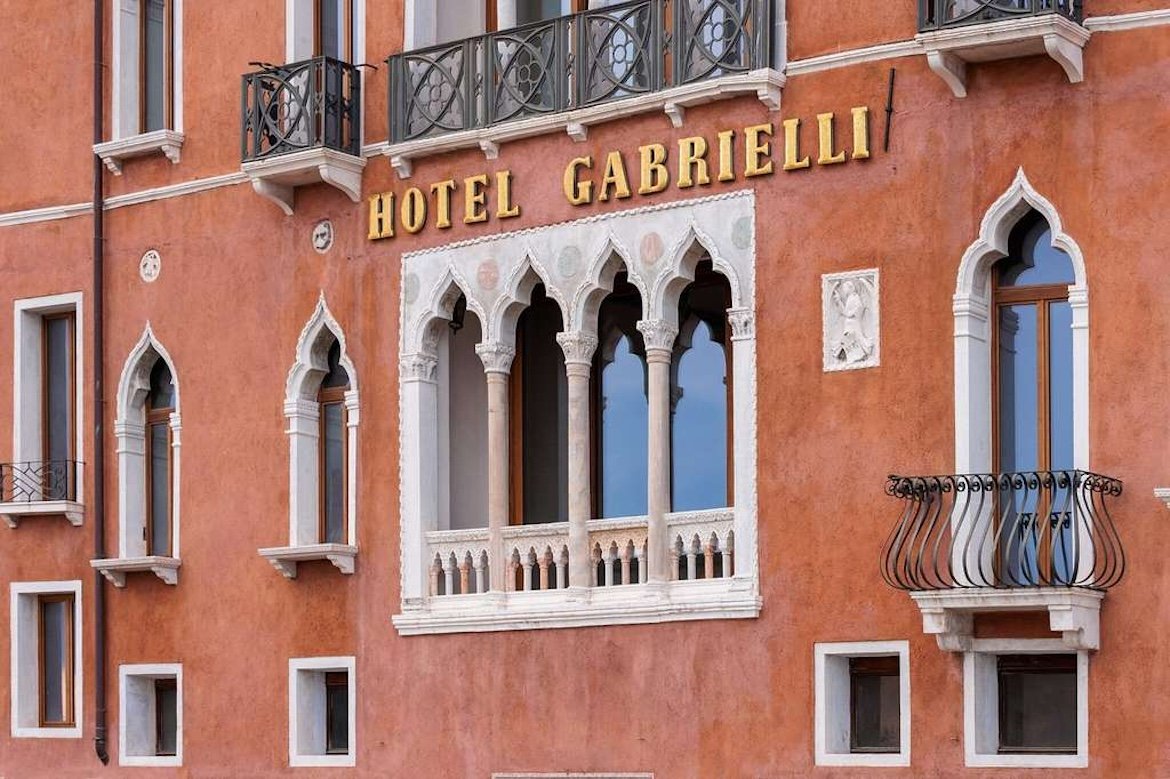
Views of Hotel Gabrielli’s restored façade, elegant interior details, and its exclusive private garden - Venice’s newest signature address. Photo: Starhotels Group
Hotel Gabrielli, nestled on Venice’s iconic Riva degli Schiavoni just a step from Piazza San Marco, has officially reopened following a profound restoration, reintroducing itself as a refined five-star hotel. Owned by the Perkhofer family for five generations, the historic 14th-century palazzo has been meticulously transformed to offer a modern interpretation of Venetian grandeur, embodying Starhotels’ commitment to cultural preservation through its Collezione brand.
Heritage Meets Contemporary Italian Design
The renovation, led by Milanese designer Andrea Auletta, balances timeless Venetian architectural features with subtle modern details. Within the hotel, guests are welcomed by restored coffered ceilings, traditional Istrian stone columns, and an abundance of Murano glass chandeliers – over 700 originals refurbished by skilled artisans. The façade has been brought back to its original splendor, and the famous Quadrifora windows now define the design of the most exclusive suites, commanding the lagoon’s aerial beauty.
Reflecting a desire for intimacy and elevated hospitality, the hotel has reduced its room count from 105 to just 66. Even the spacious Presidential Suite stands apart – not only for its generous proportions but for its rooftop altana terrace offering panoramic views over the city and the lagoon. Throughout the hotel, original elements like the marble staircase, exposed beams, and parquet floors have been preserved, standing alongside refined contemporary touches that reflect both Venetian tradition and modern sensibilities.
Sanctuary and Elegance in the Heart of Venice
Beyond its rooms, Gabrielli offers a host of signature experiences. A 600-square-meter private garden lies tucked behind the palazzo – a rare private retreat in Venice – where olive trees, hydrangeas, magnolias, and antique marble tubs share shaded paths that echo centuries past. This unique sanctuary merges historical charm with a sense of tranquility, allowing guests to escape the bustle of the Riva just steps away.
Dining honors local ingredients and culinary traditions. Both the elegant Felice al Gabrielli Restaurant and the K Lounge Bar spotlight Venetian flavors through dishes crafted under the “Km Veneto” philosophy, celebrating ingredients sourced from nearby producers. The restaurant is named after poet Franz Kafka’s muse, adding a poetic layer of cultural resonance to the setting.
Guests can also ascend to Terrazza Gabrielli on the sixth floor, a sky bar offering 360-degree views of Venice – perfect for sunset cocktails and quiet reflection above the lagoon. The property also introduces an exclusive Venetian spa for guests seeking relaxation, offering a serene blend of wellness and historic atmosphere.
In reopening Hotel Gabrielli, Starhotels has created more than just a luxury address – it has restored a living piece of Venetian history. Infused with craftsmanship, local identity, and thoughtful design, this property stands as the group’s new signature residence in Venice, inviting travelers to not merely see the city, but experience it at its most luminous and refined.
New Zealand introduces a new Business Investor Visa, replacing the existing Entrepreneur Work Visa and offering two high-value pathways to residence via active investment in established businesses.
By Yuliya Karotkaya
Published:
Updated:
The new Business Investor Visa takes aim at experienced foreign investors willing to actively manage New Zealand businesses in exchange for a faster residency pathway. Photo: DΛVΞ GΛRCIΛ / Pexels
New Zealand has ushered in a sweeping change to its business-related immigration pathways by discontinuing the Entrepreneur Work Visa and replacing it with a more targeted Business Investor Visa.
This newly designed visa, set to launch in November 2025, offers two structured investment pathways aimed at attracting seasoned investors who will actively operate businesses in the country. The shift reflects ongoing efforts to make immigration policy both economically impactful and administratively effective.
Clearer, Impactful Pathways to Residence
The Business Investor Visa introduces two defined investment routes. The first option requires a NZ$1 million investment in an existing business – either via full purchase or a minimum 25% equity stake – with a three-year work-to-residence timeline.
The second option, offering a NZ$2 million investment in an existing business, fast-tracks residency within just 12 months. Both pathways are designed to ensure that investors are hands-on participants in the businesses they support, with requirements including English proficiency, relevant business experience, and the financial capability to live comfortably (at least NZ$500,000 beyond the investment amount).
Applicants must be 55 years old or younger and commit to spending a significant portion of each year – at least 184 days – physically present in New Zealand to maintain their visa.
Additionally, the businesses they invest in must be well-established, employing at least five full-time equivalent staff, and cannot involve sectors like convenience stores, franchises, adult entertainment, or home-based operations. The application fee is set at approximately NZ$12,380, and family members, including partners and dependent children, can join under the same visa.
Recognising that the Entrepreneur Work Visa had struggled with low interest, high rejection rates, and limited economic impact, officials framed this change as a necessary modernisation. By focusing on established businesses and active management, the Business Investor Visa aims to drive real economic growth, job creation, and business continuity across the nation.
Strategic Rationale and Broader Immigration Context
This policy overhaul is part of a broader reimagining of New Zealand’s business and investor immigration system. Earlier in 2025, the government revamped its high-investment “golden visa” program – the Active Investor Plus Visa – introducing clearer pathways and simpler requirements.
Both the new Business Investor Visa and the refreshed Active Investor Plus framework now function in tandem to balance immediate business-driven investment with longer-term capital accumulation across multiple levels of entry.
At the same time, many stakeholders welcomed the Business Investor Visa’s focus on succession planning. Immigration advisers pointed out how it offers retirees and exiting business owners a valid exit strategy, allowing reputable businesses to continue under informed ownership instead of being shuttered. This stability is especially significant given New Zealand’s aging business population and gaps in domestic succession.
To support this revamped system, the government is creating a framework for innovation-driven entrepreneurs – developing a future startup visa to complement the current investor offerings. Agents and advisors anticipate detailed guidelines and a comparison between visa options arriving in October, helping investors choose the route best suited to their goals.
By emphasising capital, experience, and active engagement, New Zealand has created an investor visa system that values substance over speculation. The Business Investor Visa stands as a cornerstone in the nation’s strategic effort to blend immigration with sustainable economic development and global partnerships.
With Taylor Swift and Travis Kelce newly engaged, travel experts offer dreamy honeymoon ideas – from nostalgic Lake Como to secluded African safaris and desert tranquility in Utah.
By Yuliya Karotkaya
Published:
Updated:
Dream honeymoon ideas for Taylor Swift and Travis Kelce inspired by editors: think Italian lakes, safaris, desert luxury, and remote tranquility. Photo: Maria Orlova / Pexels
Taylor Swift and Travis Kelce’s engagement announcement has set off a global wave of excitement – and that wave is rippling all the way to the honeymoon planning teams. Travel editors have curated a list of enchanting and private destinations that feel just right for this high-profile couple to celebrate love. With their spotlight status in mind, experts suggest places offering a mix of romance, seclusion, and memorable experiences.
Honoring Nostalgia and Nature
One popular recommendation is the iconic Lake Como in Italy. It’s a place Taylor has already visited, and fans know the meaning it holds. Villa stays at grand hotels overlooking serene lake panoramas capture the timeless cinematic romance perfect for newlyweds. Another compelling suggestion is South Africa, where a safari honeymoon delivers privacy and drama – imagine expansive 30,000-acre reserves with luxurious private villas and the thrill of observing Big Five wildlife at sunset.
Editors highlight Amangiri in Utah as an ideal balance of pristine wilderness and elevated comfort. Remote and surreal, this desert retreat provides sweeping views across the Colorado Plateau and the perfect quiet escape from travel buzz. For couples seeking cooler climates, Iceland’s remote highlands offer unforgettable peace – imagine strolling rugged terrain by day and retreating to a cozy lodge by night.
Beyond these iconic locations, whispers are emerging about the Cotswolds, where pastoral charm, historic cottages, and tranquil spa retreats offer understated sophistication suitable for guests who value quiet intimacy. And of course, the allure of Paris – late-night Seine walks, café mornings, art-filled afternoons – remains timeless.
Honeymoon in the Moment: Public Reaction & Social Buzz
The buzz goes beyond print articles. On Instagram, a post recently imagined the perfect honeymoon destinations for Taylor and Travis, capturing their fans’ collective imagination. Travel editors imagine that wherever the couple lands, it will undoubtedly spark new trends in romantic getaways – driving demand for hidden luxury retreats and off-grid bliss.
Some fans dream even beyond the obvious: a secret Mediterranean villa, a private island escape, or a custom estate complete with sunsets and solitude. Others suggest revisiting beloved memories, such as romantic getaways from Taylor’s tour stops that already carry personal significance.
Taylor’s and Travis’s journey has been rooted in friendship, family moments, and heartfelt connection. Their honeymoon – whether in Italy’s storied elegance, the wilds of South Africa, or a serene desert retreat – will likely reflect the intimacy and authenticity that fans have grown to love in them both.
The Ritz-Carlton Yacht Collection has unveiled its Winter 2026–2027 Caribbean itineraries aboard its superyacht Ilma – now open for booking, offering immersive, luxury voyages departing from Miami and San Juan.
By Yuliya Karotkaya
Published:
Updated:
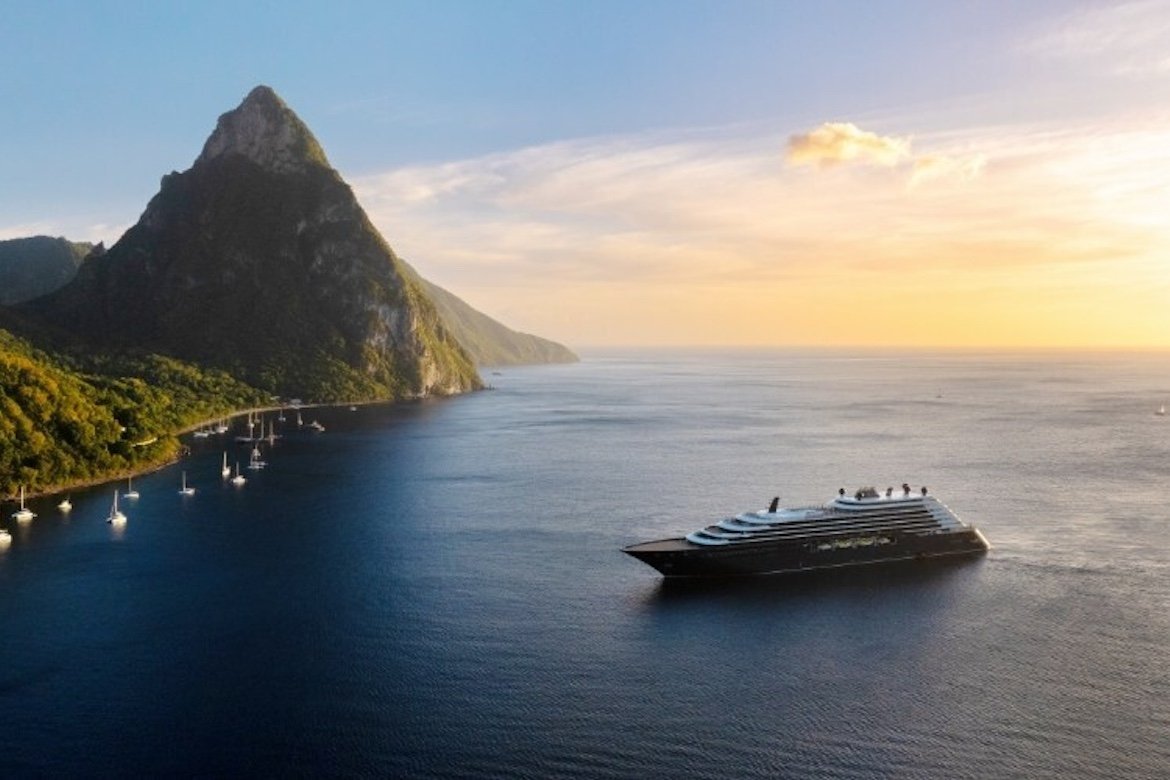
Ilma, the elegant Ritz-Carlton superyacht, prepares to set sail on a scenic Caribbean voyage during its Winter 2026–2027 season. Photo: Ritz-Carlton Yacht Collection
The Ritz-Carlton Yacht Collection has officially opened bookings for its Winter 2026–2027 Caribbean season aboard the luxurious superyacht Ilma. Available for reservations now, Ilma will embark on more than 20 curated voyages between November 2026 and April 2027, blending laid-back island charm with the elevated comfort expected from Ritz-Carlton. With departures offered from both Miami and San Juan, guests will enjoy ultimate flexibility and seamless access to an unforgettable yachting experience.
Designed for Flexibility and Immersive Escape
For the first time, Miami joins San Juan as a turnaround port for Ilma’s Caribbean season. This strategic choice allows guests arriving at Miami International Airport to embark with minimal hassle, while San Juan remains a well-established gateway for Eastern Caribbean escapes. Voyages will vary from three to seven nights, enabling travelers to build trips tailored to personal rhythms – whether it’s a quick getaway or a stretch of immersive relaxation. The experience is tailored for those celebrating the holidays, seeking escape, or simply looking for a more refined way to explore the Caribbean in winter.
Ilma delivers a distinct sense of intimacy despite its grandeur. With spacious suites complete with private terraces, open-air lounges, and an aft marina directly on the water, the yacht is a masterpiece of design and connection to the seascape. Inside, guests will discover a wealth of amenities: multiple fine-dining venues and casual spots, a full-service spa, fitness studios, an observation deck, and even exclusive wellness and artistic spaces. The experience is made seamless and memorable, guided by Ritz-Carlton’s trademark hospitality ethos, transformed for life at sea.
Elevated Itineraries for Curious and Discerning Travelers
The 2026-2027 Caribbean schedule is less a cruise lineup and more a curated route of island pathways. Guests may find themselves moored in Gustavia watching a vibrant sunset, anchored at sunrise near Bimini, or celebrating New Year’s Eve in a tranquil Grenadines harbor. Shorter escapes under six nights offer curated island hopping with signature elegance, while longer voyages may unfold over seven or more nights, weaving through destinations like Antigua, St. Barths, Martinique, and Bequia in St. Vincent and the Grenadines. Each journey is designed with purpose—balancing time ashore with serene luxury aboard.
This season marks Ilma’s continued expansion into ultra-luxury yachting, following the success of her sister ship, Evrima. It reflects the brand’s momentum in delivering multi-sensory voyages that go beyond traditional cruising, playing to the strengths of hospitality, culture, and exploration. The intimate crew-to-guest ratio ensures attentive service and personalized touches, inviting guests into a voyage that feels both exclusive and thoughtful.
For travelers watching the luxury cruise space, these newly available itineraries represent something far more than just scenic sailing – they are immersive escapes crafted for presence, relaxation, and discovery in some of the Caribbean’s most evocative settings.
Carnival Cruise Line has opened bookings for Carnival Firenze’s 2027 voyages, including three immersive South America journeys and a range of Caribbean itineraries from Miami.
By Yuliya Karotkaya
Published:
Updated:
The Carnival Firenze - Carnival’s 'Fun Italian Style' ship - will deploy on spectacular South America and Caribbean cruises in early 2027. Photo: Carnival Cruise Line
Carnival Cruise Line has officially opened reservations for Carnival Firenze’s 2027 sailing schedule, introducing an enticing slate of routes across South America and the Caribbean. The repositioning of this Italian-themed vessel reflects Carnival’s growing ambition to offer dynamic, long-duration voyages while bringing its signature blend of fun and flair to new shores.
Spectacular South America Voyages
At the start of 2027, Carnival Firenze will embark on three extended South American journeys under the Carnival Journeys banner – deeper, immersive expeditions designed for travelers seeking scenic richness and cultural discovery.
The first of these voyages is a 15-day sailing that departs from Long Beach, California on January 4, 2027. It follows a Pacific coastal route north to south, including stops in Acapulco, Mexico; Manta, Ecuador; Callao near Lima, Peru; and concluding in San Antonio – officially linked to Santiago, Chile. A standout highlight of this voyage is an Equator crossing, adding a unique maritime milestone to the itinerary.
The second journey launches on January 19, 2027, departing from Santiago and heading to Buenos Aires over 14 immersive days. Travelers will sail through the dramatic Darwin Channel, glide along the Chilean Fjords, and round Cape Horn before visiting Ushuaia and Puerto Madryn in Argentina, then Montevideo in Uruguay, ending in the vibrant port of Buenos Aires.
The final of the South America offerings begins on February 2, 2027, from Buenos Aires to Miami over 16 days. This special voyage includes a stop in Rio de Janeiro during the first day of Brazil’s iconic Carnival, a memorable Equator crossing, a rare solar eclipse at sea opportunity, and Caribbean stops in Grenada, Martinique, and St. Maarten. The journey promises a powerful blend of natural wonders, cultural festivity, and cruise adventure.
Diverse Caribbean Itineraries and Future Repositioning
After completing those South America voyages, Carnival Firenze will reposition to Miami for winter 2027, offering a wide array of Caribbean itineraries ranging from 4 to 13 days. Short four-day getaways will visit RelaxAway, Half Moon Cay, and Celebration Key, Carnival’s exclusive destinations in The Bahamas. Mid-length cruises of 6 to 7 days will bring guests to a mix of tropical favorites such as Cozumel, Isla Tropical, Belize, Grand Cayman, Montego Bay, San Juan, and St. Thomas. For travelers seeking an extended experience, Carnival Journeys cruises featuring Southern Caribbean destinations—like Aruba, Bonaire, Curaçao, St. Croix, Grenada, Barbados, Antigua, and Martinique – will also be available.
Following her Miami deployment, Carnival Firenze will head to New York for a summer 2027 schedule, offering additional routes that have yet to be revealed. This marks the first season the ship will be homeported on the U.S. East Coast, signaling a shift designed to tap into new markets while giving regulars a fresh cruising experience.
Built with unique Italian-inspired design and amenities, Carnival Firenze already stands out among the fleet with features crafted to deliver flair, comfort, and style. The expansion of her deployment showcases Carnival’s strategy of offering cruise options that blend destination depth with onboard culture and entertainment.
With bookings now open, Carnival Firenze’s 2027 schedule offers a rich blend of long-haul adventures and classic Caribbean getaways – ideal for travelers looking for unforgettable, immersive cruising experiences. Whether exploring remote fjords or enjoying beaches in the Bahamas, these voyages promise to set a high bar for Carnival’s upcoming cruising season.
Amtrak launches its NextGen Acela high-speed trains – built in the U.S. – offering faster speeds, more seats, and upgraded amenities along the busy Northeast Corridor.
By Yuliya Karotkaya
Published:
Updated:
The luxurious interior of the new NextGen Acela showcases spacious seating, modern technology, and comfort upgrades for Northeast Corridor travelers. Photo: Amtrak
Amtrak has taken a bold step into the future of American rail travel with the official launch of its NextGen Acela high-speed train service. Rolling out on August 28, 2025, these trains represent the most significant upgrade to the nation’s passenger rail system in decades.
For more than 20 years, the original Acela Express symbolized high-speed rail in the U.S., but the new generation brings advanced technology, greater comfort, and stronger domestic manufacturing ties. With this debut, Amtrak is not only modernizing its fleet but also positioning rail travel as a central part of America’s sustainable transportation future.
Speed, Comfort, and Increased Capacity
The NextGen Acela trains are engineered to reach speeds of up to 160 miles per hour, making them the fastest passenger trains in the United States. While current infrastructure along the Northeast Corridor limits how often trains can hit top speeds, Amtrak is investing in track and signaling upgrades that will eventually allow the service to maximize its potential. Even now, passengers benefit from smoother, more reliable journeys compared to older train models.
Each trainset offers 27% more seating capacity, helping to meet the heavy demand on one of the busiest rail corridors in the world. Interiors have been completely redesigned to cater to today’s travelers. Passengers can enjoy spacious, ergonomic seating, personal outlets at every seat, enhanced lighting, and modern restrooms. For those working on the go, the trains are equipped with high-speed Wi-Fi and 5G connectivity, making it easier than ever to stay productive while traveling. Food and beverage options have also been upgraded, with the new Café Acela providing fresher and more varied choices.
The trains were manufactured by Alstom in Hornell, New York, using a wide U.S.-based supply chain that supported approximately 15,000 jobs across 29 states. This makes the program not only a transportation milestone but also an example of domestic industrial investment. Although only five trainsets are currently in service, the full fleet of 28 NextGen Acela trains is expected to be operational by 2027, gradually replacing older models and increasing service frequency.
Service Launch and National Significance
The NextGen Acela is now running on routes between Boston, New York, Philadelphia, and Washington, D.C., with additional stops in cities such as Stamford and New Haven in Connecticut. Passengers can book seats under the “NextGen” designation to ensure they experience the upgraded trains. While schedules currently remain similar to those of the older Acela, Amtrak has emphasized that greater improvements in travel time and frequency will come as infrastructure projects are completed.
Beyond the technical aspects, the launch carries symbolic and political importance. Transportation Secretary Sean Duffy underscored this significance by announcing $170 million in restoration funds for Washington’s Union Station, a historic hub that will soon serve as the gateway for NextGen Acela trains. The project reflects a broader national push toward modern rail travel as a sustainable alternative to short-haul flights and congested highways.
For passengers, the immediate benefits lie in the elevated experience. Even without drastic reductions in travel times, the comfort, reliability, and design upgrades make the NextGen Acela a major improvement over its predecessor. For Amtrak, the debut underscores its ambition to reclaim rail’s relevance in the American travel landscape, offering travelers a faster, greener, and more enjoyable way to move along the busy Northeast Corridor.
Frontier Airlines announces 20 new routes, many overlapping with Spirit Airlines’ key markets, aiming to capture budget-conscious travelers amid Spirit’s financial challenges.
By Yuliya Karotkaya
Published:
Updated:
Frontier Airlines' new route map highlights its expansion into Spirit Airlines' key markets. Photo: Michael Evans / Unsplash
Frontier Airlines has announced an ambitious expansion, introducing 20 new routes across key U.S. cities, including Fort Lauderdale, Detroit, Houston, Charlotte, Dallas/Fort Worth, and Baltimore. These new flights are expected to launch in late 2025 and early 2026, with promotional fares starting as low as $29.
The move positions Frontier as a stronger contender in the ultra-low-cost airline segment, directly targeting Spirit Airlines’ established markets. This expansion demonstrates Frontier’s commitment to capturing the attention of budget-conscious travelers looking for alternative carriers.
Strategic Expansion into Spirit’s Core Markets
Frontier’s new routes place it in direct competition with Spirit Airlines, particularly in cities where Spirit has historically dominated. Fort Lauderdale, one of Spirit’s largest hubs, will now have Frontier flights to multiple destinations including Baltimore, Charlotte, Dallas/Fort Worth, Detroit, Chicago, and Houston. Detroit will gain six new Frontier routes, while cities such as Baltimore and Houston will see significantly expanded service.
The timing of this launch is notable, as Spirit has been facing financial challenges, including losses in recent quarters. Frontier CEO Barry Biffle has emphasized that the airline aims to capture a larger share of the low-cost market by offering more destinations and competitive fares. Industry analysts suggest that Frontier’s expansion could siphon customers from Spirit, particularly those sensitive to pricing and looking for new flight options. This strategic approach highlights the increasingly competitive nature of the U.S. ultra-low-cost airline market.
Benefits for Travelers and Industry Implications
For travelers, the expanded Frontier network provides more options and lower fares, especially in markets previously dominated by Spirit. Passengers will benefit from additional flight choices and promotional prices, though they should note that, like Spirit, Frontier applies extra fees for baggage, seat selection, and other add-on services.
The broader industry impact could be significant. Increased competition may drive fare reductions and improve service offerings as airlines compete for market share. If Spirit struggles to regain financial stability, Frontier’s expansion could reshape the landscape of U.S. budget airlines, reinforcing Frontier’s position as a growing force in domestic travel.
This aggressive growth signals Frontier’s intent to strengthen its brand and capture market share from competitors. With 20 new routes and ultra-low fares, Frontier is making clear that it aims to be a major player in the budget travel sector while giving travelers more choices and opportunities for affordable flights.
Villa Vie Residences launches its ‘Golden Passport’ program, offering retirees a one-time payment for lifelong residence aboard the Odyssey of the Seas, blending luxury, travel, and worry-free retirement at sea.
By Yuliya Karotkaya
Published:
Updated:
The Golden Passport program turns cruise ships into permanent floating homes for retirees seeking adventure, comfort, and affordability. Photo: Keegan Checks / Pexels
Villa Vie Residences has taken retirement to new heights with its recently launched Golden Passport program – a bold and visionary reimagining of what later-life living can be. Offered aboard the MV Odyssey, this plan enables retirees to secure a lifetime residence-at-sea with a single upfront payment. The concept hinges on the company’s innovative age-tiered pricing model, designed to offer financial clarity and lifelong travel in one majestic package.
A Sea-Based Retirement Like No Other
At the heart of the Golden Passport program is a straightforward promise: one payment grants lifelong residence aboard a cruise ship. Travelers aged 90 and above can secure a berth for as little as approximately $99,999, while those between 55 and 60 pay up to $399,999. That payment opens the door to a sweeping global voyage aboard the Odyssey – covering 425 ports across 147 countries in a cycle lasting 3.5 years, with the option to repeat indefinitely.
Included in the package are all essential services and comforts: full meals, housekeeping, laundry, laundry, entertainment, annual medical check-ups, internet, and even alcoholic beverages during mealtimes. Port charges and service fees are fully covered, with no hidden costs. Residents may also invite family members aboard for a modest per-day fee, enabling visitors to share the floating lifestyle.
For many, this model resolves retirement’s biggest fear – the risk of outliving one’s savings – by replacing uncertain finances with structured, inclusive living. As one retiree shared, buying a cabin equals a lifetime of adventure with peace of mind, encapsulating the reassurance the Golden Passport aims to deliver.
Lifestyle Redefined: Adventures Without Borders
More than housing, the Golden Passport offers a dynamic lifestyle – one that combines the comforts of home with endless discovery. Onboard, residents enjoy social connections, curated events, and an ever-changing global backdrop. The Odyssey’s itinerary includes extended stays of two to three days in each port, allowing deeper cultural immersion. Overlooking 100 tropical islands and 12 of the world’s 14 Wonders, the experience is clearly crafted for long-lasting engagement, not fleeting adventure.
Beyond logistics, the Golden Passport epitomizes emotional freedom. Early adopters are choosing this floating lifestyle over traditional retirement housing, driven by the prospect of uninterrupted global exploration. As Villa Vie’s leadership emphasizes, retiring should be bold, boundless, and free from financial anxiety. With a structure that spans generations, it’s clear why the Golden Passport flips retirement norms upside down – and lets adventure chart the course.
Korean Air has signed a historic deal to acquire 103 Boeing jets and extensive engine support from GE Aerospace, marking its largest-ever fleet investment.
By Yuliya Karotkaya
Published:
Updated:
Korean Air and Boeing executives at the signing ceremony marking the airline’s record-breaking aircraft order. Photo: SevenStorm JUHASZIMRUS / Pexels
Korean Air has announced a landmark agreement with Boeing and GE Aerospace valued at around $50 billion, representing the largest fleet investment in the airline’s history. The deal was signed during a high-profile summit in Washington and cements Korean Air’s commitment to modernizing its fleet, expanding cargo capabilities, and preparing for its merger with Asiana Airlines. This order not only reshapes the airline’s long-term operational strategy but also reinforces its position as a global leader in aviation.
Scope of the Order and Strategic Intent
The agreement covers the purchase of 103 new Boeing aircraft, valued at approximately $36 billion, making it the single largest aircraft order in Korean Air’s history. The diverse mix of aircraft includes 20 Boeing 777-9s, 25 787-10s, 50 737-10s, and eight 777-8 freighters. Deliveries are expected to be spread out over the next several years, with the goal of completing the transition to a more efficient fleet by 2030.
In addition to the aircraft purchase, the deal includes $690 million for spare engines and a 20-year engine support and maintenance agreement with GE Aerospace worth more than $13 billion. These contracts ensure long-term reliability, technical support, and cost efficiency for the airline’s future operations. The strategy is aligned with Korean Air’s goal of phasing out older, less fuel-efficient aircraft, reducing emissions, and supporting the integration of Asiana Airlines into its network.
Broader Impacts: Operations, Politics, and Industry
The timing of the deal also carries significant geopolitical weight. Signed during a summit between South Korea’s president and the U.S. president, the agreement strengthens economic ties between the two countries while highlighting the importance of aerospace exports and job creation in the United States. It also underscores Korean Air’s intent to align itself with global sustainability and efficiency goals by investing heavily in next-generation aircraft.
Operationally, the airline is poised to benefit from some of Boeing’s most advanced models, particularly the 777X series and the Dreamliner family, which offer considerable improvements in fuel efficiency and passenger comfort. The addition of eight new freighters also enhances Korean Air’s strong cargo division, positioning it for growth in global trade and logistics.
For Boeing, this is a crucial order that boosts its production backlog and strengthens its market presence in Asia. The deal provides long-term stability for its manufacturing operations and will have ripple effects across suppliers and aerospace partners worldwide. Industry analysts view this as a turning point for both Boeing and Korean Air, demonstrating confidence in long-term travel demand and the ongoing modernization of global fleets.
Ryanair has signed a partnership with Booking Holdings, including Booking.com, Kayak, Priceline, and Agoda, ensuring transparent fares and direct access to myRyanair notifications.
By Yuliya Karotkaya
Published:
Updated:
Ryanair and Booking Holdings logos symbolize a new partnership and the end of their legal conflict. Photo: Wolfgang Weiser / Pexels
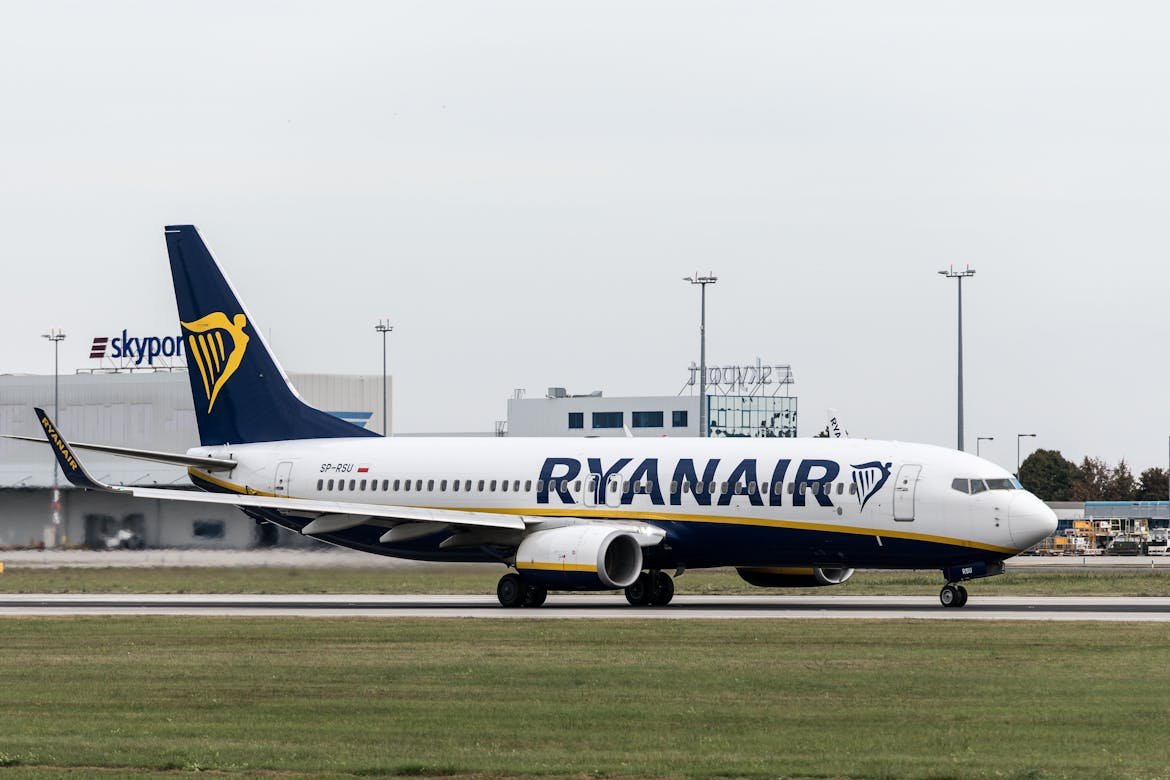
Ryanair has finally reached an agreement with one of the largest online travel platforms, Booking Holdings. On August 26, 2025, the airline announced a strategic partnership with Booking.com, Kayak, Priceline, and Agoda. The deal allows these platforms to sell Ryanair tickets once again, this time under transparent terms and without unnecessary restrictions.
Customers can now access all flights with clear prices and receive notifications directly through myRyanair, simplifying the booking experience while maintaining fare transparency. This partnership is widely seen as a significant step in redefining airline-OTA relationships in Europe and beyond.
Long-running Legal Dispute
The conflict between Ryanair and Booking had lasted several years, generating attention across the airline and travel-tech industries. Since 2020, Ryanair accused online travel agencies of reselling tickets without authorization, inflating fares, and restricting direct communication with passengers. In response, the airline removed its inventory from major OTAs in December 2023, which led to a temporary reduction in average ticket prices by roughly 10% and stirred considerable debate among travelers.
The legal battle spanned multiple jurisdictions, including Europe and the United States, and focused heavily on data scraping, fare display, and resale rights. Ryanair argued that unauthorized ticket listings harmed both passengers and the airline’s brand, while Booking Holdings maintained that it was acting within its rights to present competitive fares. This dispute highlighted ongoing tensions between airlines wanting to control ticket distribution and online platforms striving to maintain comprehensive flight offerings for consumers.
The effects of the dispute were felt by passengers and industry observers alike. Travelers encountered inconsistent fare information, difficulties in comparing prices, and occasional booking complications. Consumer advocacy groups emphasized the need for transparency and fair access to flight options, while analysts noted the case set an important precedent for airline-OTA negotiations. For many, the Ryanair-Booking conflict became a symbol of the growing complexity in digital travel sales and the challenge of balancing airline control with OTA convenience.
A New Way Forward
With the new partnership, Booking.com, Kayak, Priceline, and Agoda will once again offer full access to Ryanair’s flight network, covering over 235 destinations. Customers will see actual fares without hidden charges and receive timely notifications through myRyanair without additional verification steps. This move ensures a smoother, more transparent booking process and reinforces trust between travelers and both the airline and OTA platforms.
Booking Holdings emphasized that the agreement strengthens its service offerings while maintaining a user-friendly interface. Ryanair highlighted the deal as a crucial step in protecting passengers, promoting transparency, and preserving choice. The airline also pointed out that it continues to collaborate with “approved” OTAs, such as TUI, Expedia, and Kiwi, maintaining a controlled but open distribution model.
For travelers, the benefits are clear: easier booking, honest pricing, and reliable flight notifications. For Booking Holdings, the deal expands inventory access, enhances consumer trust, and improves competitiveness in the online travel market. Additionally, the partnership officially ends the long-running legal disputes between Ryanair and Booking Holdings, including U.S.-based cases regarding data scraping. Industry observers see this resolution as a milestone, signaling a new era of cooperation, transparency, and improved customer experience in the airline booking ecosystem.
Southwest is replacing its long-standing ‘customer-of-size’ policy: starting January 27, 2026, plus-size passengers must pre-purchase an extra seat, with refunds possible only under strict conditions.
By Yuliya Karotkaya
Published:
Updated:
Southwest’s suspended 'customer-of-size' policy reshaped inclusive travel - changes now narrow support for plus-size passengers. Photo: Richmond Archer / Unsplash
Southwest Airlines is preparing to overhaul its long-standing accommodation for plus-size passengers by revising the “customer-of-size” policy that had set it apart from competitors. Beginning January 27, 2026, customers who require more space than a single seat allows will be required to purchase a second adjacent ticket at the time of booking. While refunds remain possible, they will be subject to stringent conditions – marking a significant shift in how the airline supports plus-size travelers.
What’s Changing and Why
The old policy allowed plus-size passengers to request an extra seat at the boarding gate or purchase one in advance, with the cost refunded in nearly all cases – regardless of whether the flight was full.
That open policy will be replaced by a more rigid system: the extra seat must be purchased in advance, with refunds only granted if the flight is not sold out and both tickets are booked in the same fare class, and a claim is filed within 90 days of travel. Flights booked without the additional seat may leave travelers facing gate agents demanding payment at much higher walk-up fares or being rebooked on another flight.
This change aligns with Southwest’s broader transition from open seating to assigned seating, a move intended to streamline boarding and boost operational efficiency. In recent months, the airline has also ended its iconic “bags fly free” policy, introduced checked baggage fees, and rolled out Basic Economy fares – each decision aimed at increasing profitability under pressure from investors.
Impact on Plus-Size Travelers and Brand Perception
For many plus-size customers, Southwest’s inclusive seating approach had been a rare example of practical empathy in airline policy. Advocacy groups and affected travelers view the new changes as a step backward toward exclusion. Some have even expressed worry that the financial burden and uncertainty surrounding refunds could lead them to avoid flying altogether or switch carriers – a striking shift for an airline long celebrated for accessibility.
Critics also note the emotional toll. The previous policy gave passengers peace of mind that they could arrange for a second seat when needed. Now, with refunds no longer guaranteed, the risk of paying for two fares without assurance looms large. Frequent travelers of size have already shared personal stories of increased stress over the added expense and logistical uncertainty.
Moreover, the policy alters the airline’s identity. Southwest’s reputation for customer-focused, inclusive practices relied heavily on perks like open seating, extra-seat accommodations, and free baggage. The removal of these features signals a pivot toward policies more common among mainstream carriers – raising questions about brand differentiation and customer loyalty.
Netflix is opening two immersive entertainment venues – Netflix House – in Philadelphia and Dallas in late 2025. Each over 100,000 sq ft, these year-round attractions offer free entry, paid experiences, themed dining, merchandise, mini-golf, VR adventures, and more – bringing fandom into real life. A third location in Las Vegas is planned for 2027.
By Yuliya Karotkaya
Published:
Updated:
Netflix House opens immersive venues in Philadelphia and Dallas in late 2025 - permanent, fan-driven entertainment destinations that bring popular Netflix shows to physical life. Photo: Netflix
Netflix is stepping beyond streaming and launching two immersive fan centers – Netflix House venues – in the U.S. in late 2025. The first location opens on November 12 in Philadelphia at King of Prussia Mall, followed by December 11 in Dallas at Galleria Dallas. Each venue covers over 100,000 square feet, offering a wide mix of free and paid experiences, themed dining, VR games, retail, and rotating activations inspired by Netflix’s most beloved series and movies. These permanent experiences mark a bold shift in how the streaming giant connects with its audience.
Immersive Experiences That Bring Shows to Life
At Netflix House, fans step directly into the worlds of their favorite shows. In Philadelphia, exhibitions include interactive attractions like “Wednesday: Eve of the Outcasts” and “ONE PIECE: Quest for the Devil Fruit”, alongside mini-golf courses themed on Bridgerton, Squid Game, Stranger Things, WWE, and more – each hole linked to a live leaderboard for friendly competition. There are also VR installations where visitors can embody characters navigating “Stranger Things,” “Squid Game,” and “Rebel Moon.”
In Dallas, the focus shifts to “Stranger Things: Escape the Dark” and “Squid Game: Survive the Trials”, plus Netflix RePLAY, a reimagined arcade area featuring contests based on “Floor Is Lava,” “Love Is Blind,” “Army of the Dead,” “Big Mouth,” and other hits. Both venues feature Netflix Bites, a themed full-service restaurant with menu items tied to popular series, along with photo ops, immersive mini-events, and retail shops stocked with exclusive merchandise.
Entry to Netflix House is free for all visitors. However, premium activations require paid tickets. Early access is available via a waitlist, with ticket sales starting October 17 for Philadelphia and November 18 for Dallas. Special presales are offered to American Airlines AAdvantage® Mastercard® holders, adding an incentive for early bookers.
Why Netflix House Marks a Strategic Turning Point
These immersive spaces are Netflix’s attempt to expand beyond streaming into physical entertainment, mirroring moves made by Disney and Universal. By operating permanent fan destinations in major markets, Netflix bridges digital content with real-world engagement. These venues reinforce the idea that fandom can be a physical, sharable experience – complete with immersive play, themed food, and direct interaction with beloved narratives.
The concept isn’t entirely new for Netflix; the company has run over 40 temporary events tied to “Bridgerton,” “Money Heist,” “Squid Game,” and others. Netflix House, however, is the first permanent installation. CMO Marian Lee emphasizes that these venues allow fans to “play, shop, and taste” their favorite content, offering constantly refreshed experiences to inspire repeat visits.
This experiential strategy serves multiple purposes: building brand loyalty, creating new revenue channels, and increasing real-life touchpoints with audiences. Netflix also gains presence in rejuvenated retail spaces, from defunct department stores to underused mall anchors. A third Netflix House location is already planned for Las Vegas in 2027, further solidifying the physical footprint of the streaming brand.
Netflix’s move into immersive venues reflects a broader media evolution, where entertainment platforms cultivate physical engagement to boost loyalty and diversify revenue. As fans line up to relive favorite stories face-to-face, the streamer turns watchers into participants – and storytelling into an experience you can touch.
Spirit Airlines is exploring a second bankruptcy restructuring after its recent efforts failed to stabilize its financial position, raising concerns about its future viability.
By Yuliya Karotkaya
Published:
Updated:
Spirit Airlines faces financial uncertainty, prompting considerations for a second bankruptcy restructuring. Photo: john mckenna / Pexels
Spirit Airlines is once again under intense financial pressure, just months after emerging from its initial Chapter 11 bankruptcy earlier this year. The budget carrier, long known for its ultra-low-cost model, has failed to stabilize its balance sheet despite restructuring efforts in March 2025.
Now, financial advisers have been brought in to evaluate a second restructuring, raising serious concerns about the airline’s future and the broader low-cost travel sector in the United States.
Mounting Financial Strain
The airline’s cash reserves are shrinking rapidly, with analysts warning of a potential cash burn surpassing $500 million this year. Operating costs, including fuel prices and maintenance expenses, remain high, while Spirit continues to grapple with competitive pressures from rivals like Frontier and larger carriers expanding into the low-cost market. Credit rating agencies have downgraded Spirit, flagging an increased risk of default and a limited window for recovery.
To address these pressures, Spirit is evaluating options such as asset sales, including aircraft and airport gate slots, to generate liquidity. Management is also exploring ways to cut routes that have been underperforming and renegotiate contracts with suppliers. While these measures could buy time, industry experts believe they may not be sufficient without deeper structural changes. The airline has also struggled to win back investor confidence, as many question whether its business model can withstand rising costs and intensifying competition.
Adding to the uncertainty is Spirit’s heavy debt load, much of which was restructured earlier this year but still poses long-term risks. With interest payments looming, the company’s financial breathing room is narrowing. Analysts suggest that without bold action, the airline may find itself unable to maintain regular operations by early 2026.
Exploring Strategic Alternatives
Beyond cost-cutting, Spirit is actively weighing larger moves to ensure its survival. One possibility is seeking a merger or acquisition, an option that has been discussed before but never realized. The collapse of its planned merger with JetBlue earlier this year left Spirit vulnerable and operating without a strategic partner. Industry analysts now speculate that another tie-up, possibly with a different low-cost carrier, could be the airline’s best chance to stay competitive.
For travelers, Spirit’s situation adds uncertainty to an already volatile air travel market. Should the carrier scale back operations or, in a worst-case scenario, cease flying altogether, passengers would face fewer choices and potentially higher fares. Spirit’s model has historically pushed down prices across many U.S. routes, so its struggles could have ripple effects beyond its own customer base.
Despite the challenges, Spirit continues to operate flights and insists it remains committed to affordable travel. Still, the coming months will be crucial. Whether through restructuring, asset sales, or a merger, the airline must make decisive moves if it hopes to avoid collapse and remain a fixture in America’s budget travel landscape.
Join our list to receive latest Blockchain, Crypto & Fintech news:
WordPress database error: [Table 'u752143311_aXVuj.wp_coingecko_coins' doesn't exist]
            SELECT coins.*, meta.post_id as post_id
            FROM `wp_coingecko_coins` coins
            INNER JOIN wp_postmeta meta ON (meta.meta_key = 'wpcf-coin-main-tag' AND meta.meta_value = coins.slug )
            ORDER BY market_cap_usd
            DESC LIMIT 9